That Rusty Cast Iron Skillet at a Garage Sale Could Be Worth Up to $3,000
A rare Griswold cast iron skillet fetched up to $3,300 at an auction, underscoring how early branding and elusive logos can transform overlooked garage-sale finds into major collector windfalls.
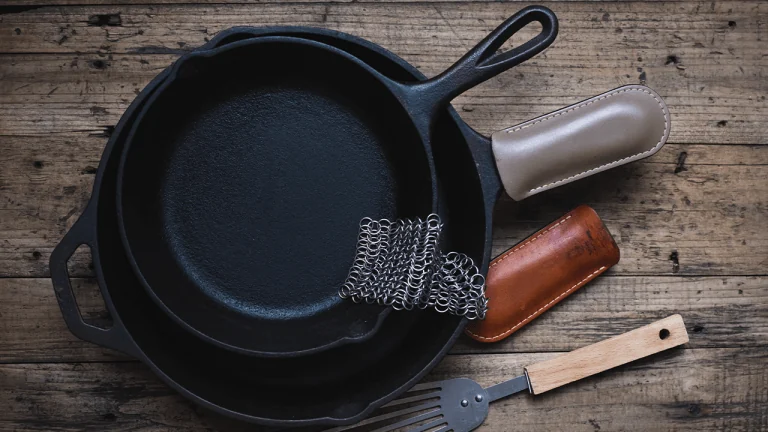
A weathered piece of vintage cookware discovered at a neighborhood yard sale or thrift shop can occasionally turn into an extraordinary financial windfall. At the February 2025 Air Works Consignment Auction, a rare Griswold No. 13 14-inch cast iron skillet commanded between $2,600 and $3,300, illustrating how specific historical pieces can reach four-figure sums. The transaction highlights an active secondary market where seemingly neglected kitchenware attracts intense interest from dedicated collectors.
Industry observers note that manufacturer branding serves as the primary differentiator between ordinary household cookware and coveted collector items. Pieces manufactured by Griswold, particularly those bearing the company's earliest ERIE-era markings, represent some of the most sought-after specimens in the antique cookware sector. The presence of these historical stamps on the underside of a pan signals early production runs that were produced in far smaller quantities than modern counterparts.
Among the most elusive and celebrated variations in this category is the ultra-rare Erie Spider logo. Distinctive visual insignias like the spider design stand out dramatically against more common utilitarian stampings, immediately elevating a skillet into a premium price tier. Collectors frequently search estate liquidations specifically for these obscure emblems, which often remain concealed beneath decades of accumulated grease and surface corrosion.
The physical specifications of the cookware also play a decisive role in establishing market value, as seen with the substantial 14-inch No. 13 sizing. In traditional cast iron manufacturing, larger skillets were typically manufactured in more limited numbers due to casting complexities and specialized household needs. Because fewer of these expansive pieces survived generations of routine kitchen use, their relative scarcity consistently commands elevated bids when they resurface at public consignment sales.
Despite the headline-grabbing prices achieved at specialized auctions, experts caution that not all vintage cast iron holds transformative financial value. Millions of mid-century and later production skillets were mass-produced with standardized logos and remain widely accessible at modest price points. Identifying whether a rusted pan is a genuine treasure or a common everyday tool requires a discerning eye for manufacturer details, casting smooth surfaces, and specific logo placement.
Surface condition often presents a formidable obstacle for casual pickers attempting to identify valuable cookware in the field. Heavy carbon buildup, rust, and neglect can completely obscure identifying hallmarks, including delicate stampings and logo variations. Seasoned collectors frequently evaluate the physical geometry of a pan, looking for flat bottoms that do not warp or wobble, before attempting careful cleaning methods to reveal underlying factory marks.
The enduring fascination with vintage cast iron bridges the gap between culinary nostalgia, practical kitchen utility, and tangible asset collecting. Unlike many decorative antiques that sit passively on display shelves, antique iron cookware remains celebrated for its superior heat retention and smooth machine-finished cooking surfaces. As home cooks and antiquarians increasingly appreciate heritage craftsmanship, competitive bidding at regional auctions continues to reflect that dual demand.
For treasure hunters sifting through weekend sales, the recent four-figure auction results serve as both inspiration and a reminder to scrutinize unmarked or filthy cookware before passing it by. While locating a top-tier Griswold No. 13 or an Erie Spider emblem remains statistically rare, consignment sales and auction houses continue to see strong participation whenever authentic early-era pieces emerge. As interest in historic cookware endures, collectors and auctioneers expect early industrial kitchenware to remain a dynamic niche in the broader antiques trade.
Primary source: Bitcoin.com News. Newzly rewrites and structures source reporting for clarity; verify critical details at the original.