Three-Dollar Yard Sale Bowl Sells for $2.2 Million at Sotheby's
A modest three-dollar tag-sale bowl from upstate New York, kept as living room decor for years, turned out to be a thousand-year-old Chinese treasure that fetched $2.2 million at Sotheby’s.
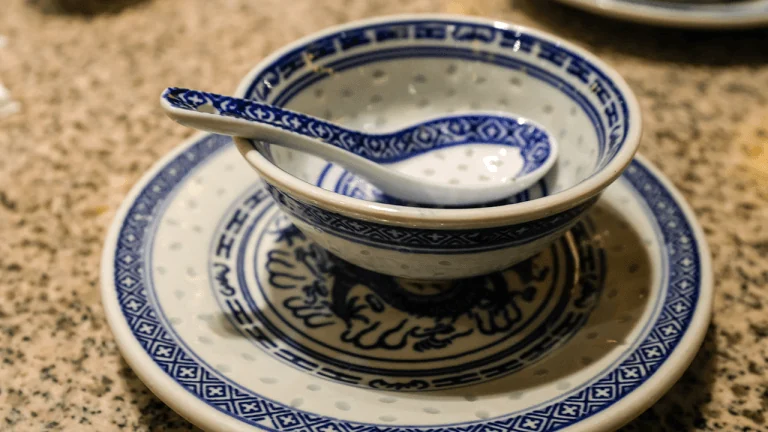
A modest ceramic bowl purchased for just three dollars at an upstate New York tag sale eventually commanded an astounding 2.2 million dollars on the auction block. The five-inch vessel was revealed to be a rare piece of Ding ware dating back roughly 1,000 years to China's Northern Song dynasty. The transaction concluded one of the most extraordinary tag-sale windfalls recorded in the modern art market.
The milestone sale took place at Sotheby’s in New York on March 19, 2013, drawing intense attention from collectors and antiquities specialists. What began as a routine cataloging inquiry culminated in a fierce bidding contest that pushed the final price to multi-million-dollar territory. The dramatic result highlighted the enormous financial value attached to museum-quality artifacts from classical Chinese antiquity.
The object originally came into the family's possession through an ordinary neighborhood yard sale in upstate New York. At the time, the buyers had no inkling of the bowl's imperial lineage or historical significance, paying just three dollars alongside other everyday knickknacks. The purchase reflected the casual serendipity that occasionally surfaces in flea markets and estate clearances.
Following the purchase, the five-inch bowl was brought home and placed on display in the family's living room as everyday decor. For roughly five to six years, it sat in the house unnoticed by guests and owners alike as anything more than an appealing household trinket. It was only after years of regular domestic display that curiosity prompted the owners to seek an expert opinion on the item.
Specialists who examined the piece identified it as authentic Ding ware, an iconic ceramic form that flourished during China's Northern Song dynasty nearly a millennium ago. Known for their refined clay bodies, warm ivory-toned glazes, and elegant potting, Ding ware vessels are among the most revered achievements in Chinese ceramic history. Finding an intact surviving specimen outside of established institutional collections is an exceedingly unusual occurrence.
The realization that an ordinary living room decoration was actually a thousand-year-old cultural artifact came as a staggering revelation to the family. Prior to the auction, market watchers recognized that the bowl's scarcity and historical provenance would attract prominent global interest. When the lot went live at Sotheby's New York saleroom, aggressive bidding confirmed that collectors recognized the bowl as an exceptional rarity.
The sale underscored a broader surge in demand for rare, early Chinese imperial-era ceramics during the early 2010s. While auction houses routinely review countless family heirlooms and thrift-store finds that prove to be modern reproductions, authentic ancient treasures occasionally slip through undetected. The five-inch bowl illustrated how monumental value can remain hidden beneath decades of domestic anonymity.
For the family that bought the piece, the 2.2 million dollar sale represented an unprecedented return on a three-dollar investment. Having lived in close proximity to a masterwork of Song dynasty craftsmanship without realizing it, the sellers walked away with a transformative financial payout. The outcome instantly cemented the bowl's place among the most celebrated garage-sale discoveries ever documented.
The legacy of the Sotheby’s sale continues to resonate across the international antiques community as a reminder of lost art history surfacing in unlikely places. While experts caution that the odds of replicating such a find remain virtually microscopic, the story continues to inspire collectors and casual shoppers hunting through regional yard sales. It stands as an enduring example of how ancient craftsmanship can unexpectedly bridge a millennium and transform modern lives.
Primary source: Bitcoin.com News. Newzly rewrites and structures source reporting for clarity; verify critical details at the original.