The Best Paper Planners of 2027 for Beating Digital Fatigue
WIRED has named top paper planners for 2027 from brands including Hobonichi, Roterunner, and Cloth & Paper, offering tactile alternatives for professionals seeking relief from digital calendar overload.
In this piece
As digital calendar fatigue grows, WIRED has highlighted four standout paper planners for 2027, featuring selections from Roterunner, Hobonichi, and Cloth &…
WIRED has published its curated selections for the best paper planners of 2027, spotlighting top-rated options from stationery makers including Roterunner, Hobonichi, and Cloth & Paper. The publication positioned the physical agendas as a meaningful alternative for individuals whose daily routines and cognitive focus feel underserved by conventional digital calendars.
Over the past decade, cloud-based scheduling platforms and mobile reminder applications have become the default standard for professional and personal time management. Even so, many users report persistent screen fatigue and notification overload, leading to fragmented attention spans and superficial scheduling habits.
Physical agendas counter this digital drift by encouraging tactile interaction and deliberate handwriting, which many productivity experts link to improved memory retention and clearer goal setting. Putting pen to paper forces a conscious pause, allowing planners to map out daily priorities without the constant distraction of incoming notifications.
In its evaluation, WIRED narrowed the competitive field down to four primary picks, explicitly highlighting Roterunner, Hobonichi, and Cloth & Paper. While the full review outlines distinct strengths for each selection, the featured roster reflects diverse philosophies spanning minimalist executive design, goal-oriented tracking, and detailed personal journaling.
Among the celebrated names, Hobonichi stands out as a long-revered Japanese label known for its signature grid paper and versatile daily layouts. The brand has built an international following among writers and organizers who appreciate compact binding, durable paper stock, and flexible formats that seamlessly transition between appointment logging and reflective journaling.
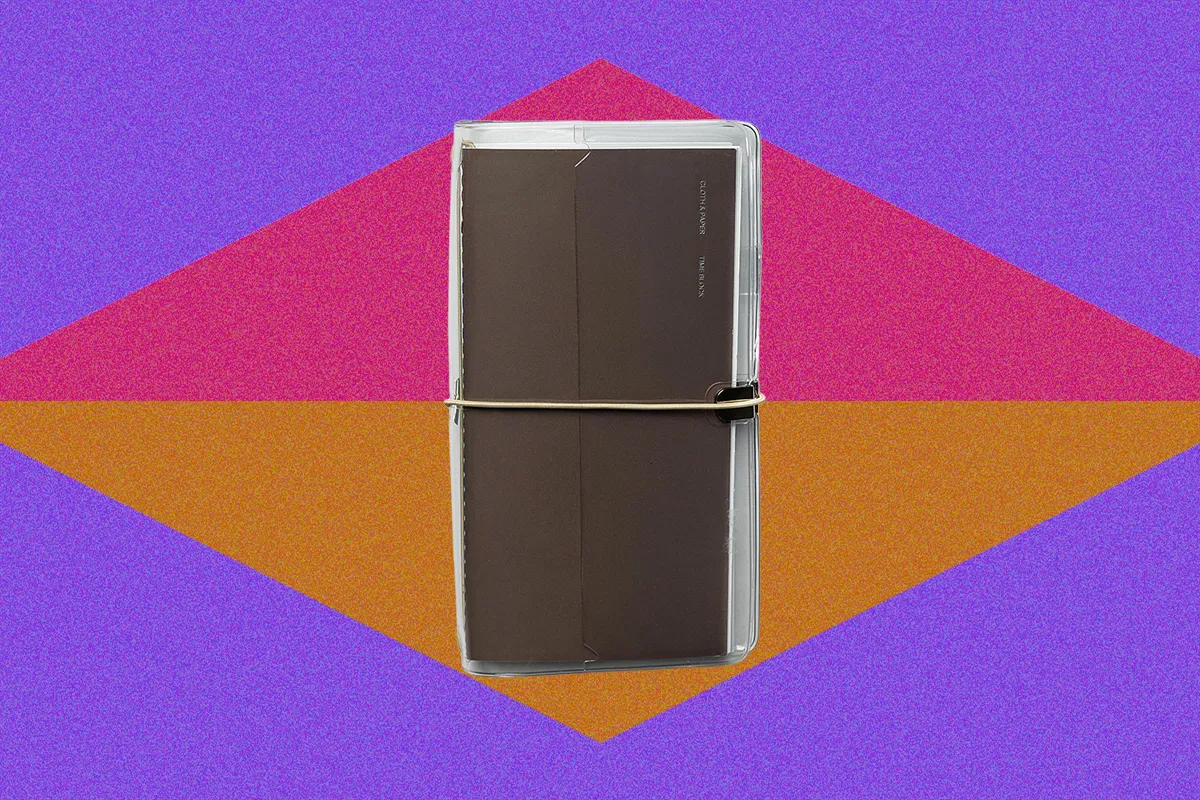
Meanwhile, Cloth & Paper has carved out a distinct presence in the luxury and modern stationery space with its emphasis on sophisticated typography and clean aesthetics. The brand typically caters to professionals looking for refined weekly layouts, modular dashboard inserts, and contemporary desk accessories that bring elegance to everyday office organization.
Roterunner represents a more systematic approach to time management, offering frameworks explicitly tailored around actionable goals, habit development, and structured workflow progression. For users who struggle with open-ended blank pages, this style of guided notebook provides clear visual accountability and structured benchmarks across days and weeks.
The sustained popularity of paper planners highlights an evolving hybrid dynamic in workplace productivity rather than a total rejection of technological tools. Many professionals now preserve electronic calendars for shared meetings and automated invitations while relying on physical notebooks to anchor deep work, protect daily boundaries, and clarify primary objectives.
The steady commercial demand for premium notebooks and analog agendas also underscores a broader consumer shift toward mindful consumption and intentional living. Rather than viewing stationery as an outdated relic of pre-internet offices, buyers frequently treat physical planners as indispensable personal command centers that restore agency over their daily schedules.
Looking ahead to the upcoming 2027 calendar season, consumer interest in curated physical planners shows no sign of slowing down. As screen-based burnout continues to prompt reevaluations of everyday productivity habits, analog staples from brands like Hobonichi, Cloth & Paper, and Roterunner will remain essential tools for intentional time management.
Primary source: Wired. Newzly rewrites and structures source reporting for clarity; verify critical details at the original.