The Enduring Legacy of Vithabai Narayangaonkar, India's Celebrated 'Tamasha Queen'
Decades after folk icon Vithabai Narayangaonkar captivated Maharashtra, a renewed spotlight on her career recalls how an extraordinary onstage childbirth came to symbolize the grit and hardship of traditional travelling performers.
In this piece
Vithabai Bhau Mang Narayangaonkar, celebrated as the undisputed empress of Maharashtra's traditional Tamasha folk theatre, remains an iconic cultural figure in…
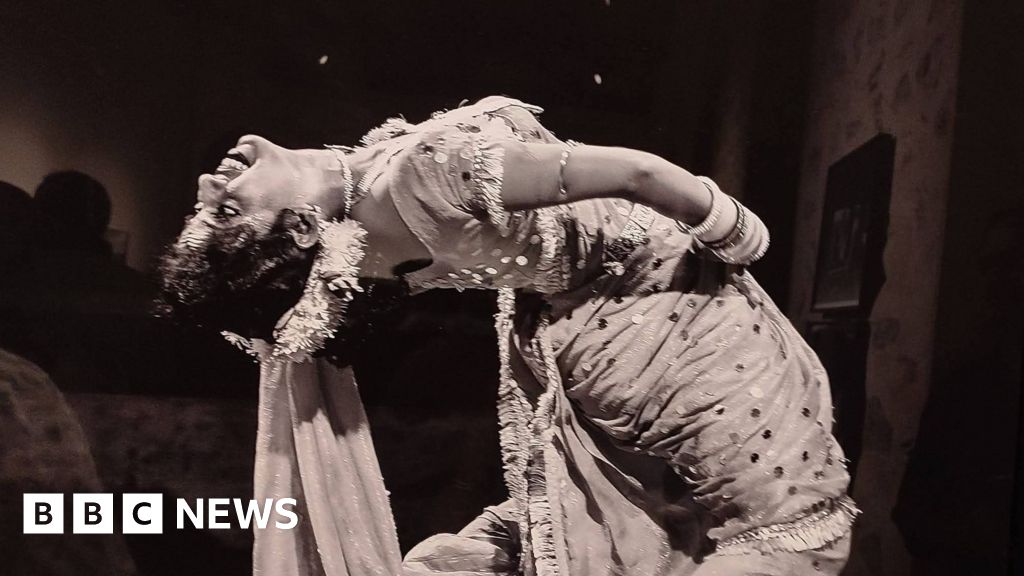
Decades after she commanded rural amphitheaters and traveling tents across western India, the legacy of Vithabai Narayangaonkar is once again commanding national attention. Revered as the "Tamasha Samragni," or the empress of Maharashtra's nomadic musical theater, the folk performer captured the public imagination with an uncommon blend of artistic mastery and uncompromising resolve. A recent retrospective highlighting her career has drawn fresh scrutiny to the extraordinary dedication that defined her life on the road.
Central to her enduring legend is a singular night in the 1960s during a performance tour in the pilgrimage village of Shikhar Shingnapur. Heavily pregnant and midway through an exhausting sequence of songs and dramatic sketches, Narayangaonkar began experiencing active labor pains backstage. Rather than abandoning the show, she slipped behind the stage curtain into a makeshift tent, gave birth to a son, and severed the umbilical cord using a sharp stone before preparing to resume her routine.
As her troupe scrambled to keep the crowd engaged, restless spectators began chanting loudly for the headlining star to reappear. Narayangaonkar walked back onto the brightly lit stage holding her newborn infant in her arms, ready to fulfill her contractual performance obligations. Instead of demanding entertainment, the stunned audience stood in reverent silence, refusing to let her continue and walking out quietly into the night while leaving their ticket money untouched.
The episode came to define not only Narayangaonkar's fierce professionalism but also the visceral connection she forged with working-class patrons of Tamasha. Originating centuries ago in Maharashtra, Tamasha blends rhythmic footwork, live percussion, satirical skits, and the sensual poetic storytelling of Lavani. For generations, traveling troupes moved constantly from hamlet to hamlet during village fairs and harvest celebrations, setting up temporary tent theaters under grueling physical conditions.
Her ascent through this demanding art form carried deep social significance, rooted in her identity as a woman from the marginalized Dalit Mang community. Performers within the folk tradition historically faced layered social stigma, enduring severe caste discrimination even as upper-caste patrons flocked to watch their performances. Narayangaonkar openly confronted these societal prejudices throughout her life, leveraging her towering artistic stature to assert personal dignity and demand respect for traditional folk practitioners.
Her contributions eventually garnered widespread institutional acclaim, transcending the regional boundaries of rural Maharashtra. She received the prestigious Sangeet Natak Akademi Award and was honored by the President of India for her exceptional stewardship of indigenous folk traditions. During periods of national conflict, including the 1962 Sino-Indian War, she traveled extensively to forward military installations, staging performances to bolster the morale of soldiers stationed along remote borders.
Yet, behind the public accolades and roaring applause lay severe financial precarity that mirrored the vulnerabilities of India's nomadic folk sector. Despite earning significant sums during the peak of her popularity, mounting debts, troupe operational expenses, and family medical crises depleted her savings in her later years. Her declining health and eventual death in 2002 exposed the persistent lack of institutional safety nets, pensions, and healthcare protections available to aging folk luminaries.
Renewed contemporary interest in Narayangaonkar has been spurred in part by cinematic adaptations and biographical works examining her life, including debates surrounding the feature film "Eetha." Cultural commentators and community advocates have closely evaluated how mainstream popular media portrays her Dalit heritage, emphasizing that popular depictions must not sanitize her struggles with caste oppression. The discussions reflect broader contemporary efforts across Indian cultural spaces to reclaim and accurately honor marginalized artistic trailblazers.
As preservationists and cultural historians work to document Maharashtra's vanishing folk traditions, Narayangaonkar's story stands as both an inspiration and a cautionary tale. While the Maharashtra government has instituted annual cultural awards bearing her name, advocates continue to urge state authorities to establish permanent welfare frameworks for working Tamasha artists. For audiences across India, her legacy remains immortalized in the memory of a crowd that walked away into the dark, recognizing humanity in an artist who gave everything to her stage.
Primary source: Google News Maharashtra. Newzly rewrites and structures source reporting for clarity; verify critical details at the original.