The Quest for Robotic Dexterity and the Future of Human Labor
As engineers race to replicate the intricate dexterity of human hands, the breakthrough could eliminate the final mechanical barrier preventing artificial intelligence and robotics from transforming physical labor.
In this piece
Engineers are intensifying efforts to build dextrous robotic hands capable of handling irregular objects with human-like precision. While logistics facilities…
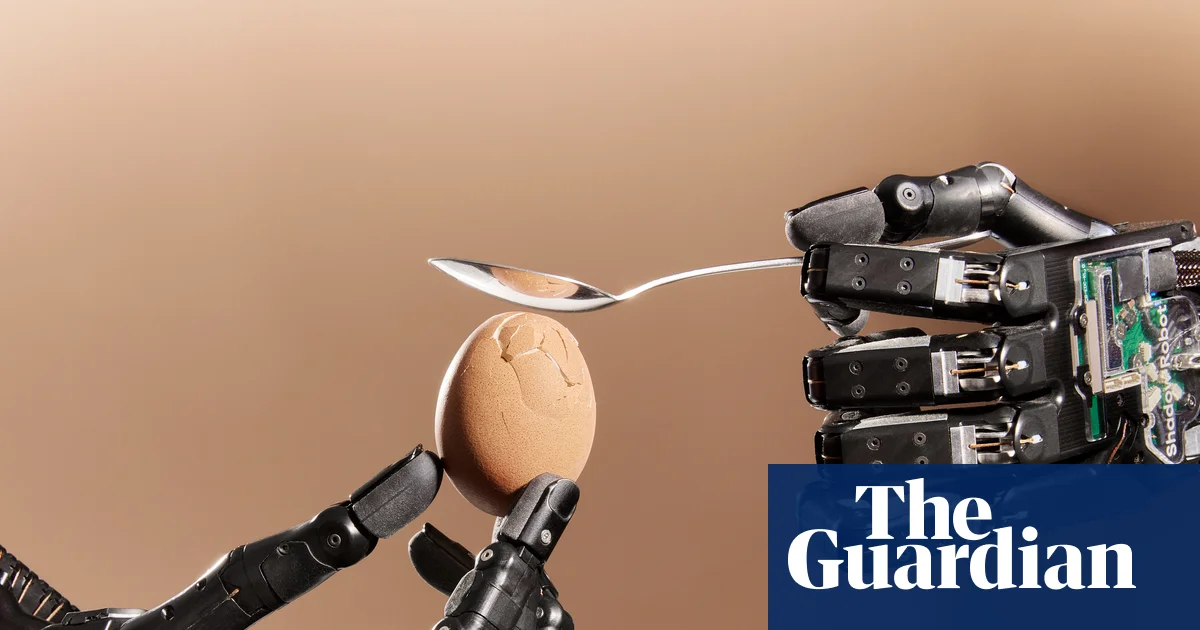
Engineers and artificial intelligence researchers are accelerating efforts to solve one of robotics’ most formidable hurdles: replicating the dexterity of the human hand. While automated systems and algorithms have mastered data processing and repetitive transport, the complex physical ability to grasp, manipulate, and sort irregular objects remains a critical bottleneck standing between machines and human-level labor replacement.
The contrast between automated coordination and human manual skill is on vivid display in major logistics hubs, including an Amazon fulfilment centre situated just outside Luton. Within the facility, which spans the equivalent of four football pitches, automated yellow shelving units move through digitally choreographed paths to bring inventory directly to workstations. Yet at the final station, the process still relies on human workers to pick up and place disparate items, ranging from Lego kits to protein powder pouches.
Amazon has long characterised this operational setup as a symphony of people and technology, framing human staff as essential partners alongside robotic transport units. In response to years of scrutiny regarding warehouse working conditions, the retail company opened select fulfilment centres to controlled public tours a decade ago to spotlight employee benefits and safety. Even during these staged visits, guides emphasise competitive pay, pension plans, and healthcare coverage, underscoring the ongoing centrality of human labor.
Despite corporate assurances, robotics specialists widely view the persistence of human warehouse pickers as a temporary consequence of anatomical complexity rather than a permanent division of labor. The human hand is an intricate biomechanical system composed of dozens of bones, joints, muscles, and nerve endings capable of instantaneous tactile feedback. Replicating that delicate balance of compliance, grip strength, and sensory perception in mechanical actuators has puzzled roboticists for decades.
Unlike heavy industrial robotic arms that perform static, pre-programmed welds in automotive plants, warehouse handling demands rapid adaptability to unpredictable shapes, textures, and fragilities. A single mechanical gripper must seamlessly switch from clutching a fragile toy box to steadying a slippery plastic pouch without crushing the contents. Developing artificial skin, flexible sensors, and adaptive motor control to match human tactile intuition remains an active and challenging area of engineering research.
The stakes of this technological pursuit extend far beyond logistics efficiency to the broader future of physical employment. If researchers succeed in endowing robots with human-like dexterity, the boundary between automatable routine labor and manual human necessity could shift dramatically. Economists and labor analysts observe that widespread deployment of dextrous manipulation could redefine warehouse operations, manufacturing lines, and eventual service roles.
This acceleration has also intensified debate over whether mastering mechanical dexterity represents technological progress or a potential threat to human livelihood. While industry proponents argue that automating monotonous sorting relieves workers from repetitive strain and hazardous environments, critics warn of sweeping disruption without adequate protections. Questions remain about how displaced personnel might transition into new roles if mechanical hands eventually displace front-line logistics staff.
For now, achieving reliable, cost-effective robotic dexterity at commercial scale remains an elusive target. Full operational autonomy across complex supply chains faces substantial engineering and economic obstacles before mechanical hands can match human capability in dynamic settings. Until those technological breakthroughs materialize, logistics giants will continue to depend on the precision and adaptability of human hands to keep global supply networks moving.
Primary source: The Guardian Technology. Newzly rewrites and structures source reporting for clarity; verify critical details at the original.