The Real Story Behind the Historic 504 Sit-In for Disability Rights
A new film dramatizing the historic 26-day federal building occupation brings renewed focus to organizer Judy Heumann and the grassroots campaign that forced the implementation of foundational civil rights protections.
In this piece
Director Siân Heder's new film "Being Heumann" chronicles the pivotal 26-day sit-in led by activist Judy Heumann. The historic demonstration, recognized as the…
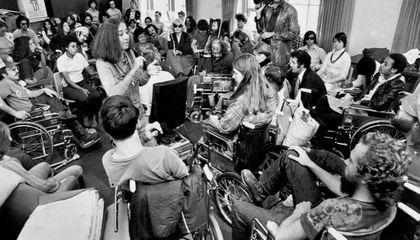
The historic 504 Sit-In, recognized as the longest peaceful occupation of a federal building in American history, is receiving renewed public attention through a major cinematic adaptation. Director Siân Heder's new film, titled "Being Heumann," dramatizes the landmark 26-day protest that fundamentally reshaped disability rights in the United States.
At the center of the historic campaign was organizer Judy Heumann, whose relentless advocacy mobilized community members to demand accountability from the federal government. Demonstrators gathered to pressure government officials into signing and implementing meaningful regulations for Section 504, the country's first federal statutory protection against civil rights violations targeting disabled Americans.
Although federal lawmakers had previously approved legislation establishing core rights, administrative delays stalled its practical execution. Government leaders hesitated to enact comprehensive implementation rules, prompting activists to conclude that direct public pressure was necessary to turn statutory promises into enforceable guarantees.
The decision to stage an open-ended sit-in inside a federal building marked a daring escalation in civil rights activism. For twenty-six days, activists occupied the facility without violence, relying on collective determination, mutual support, and cross-community solidarity to sustain their presence day and night.
Heumann emerged as a primary voice during the standoff, articulating the legal and moral stakes of the demonstration directly to federal authorities. Her strategic leadership helped maintain resolve through grueling physical conditions, while ensuring the focus remained squarely on systemic inclusion and administrative compliance.
The demonstration remains a watershed moment in American history, illustrating how peaceful civil disobedience can overcome institutional resistance. By refusing to vacate the building until officials ratified the required protections, the coalition demonstrated that anti-discrimination safeguards were fundamental civil rights rather than optional privileges.
Heder's film captures this high-stakes confrontation, dramatizing both the internal camaraderie among the occupiers and their contentious negotiations with federal decision-makers. By centering the personal and political journey of Heumann, the production aims to bring the logistical grit and emotional weight of the 26-day occupation to modern audiences.
Retellings of the 504 Sit-In serve as a vital reminder of the grassroots labor required to establish federal civil rights frameworks. Historical accounts emphasize that public awareness of disability rights history often lags behind other social movements, making narrative cinema an influential medium for broadening historical education.
As "Being Heumann" reaches viewers, the legacy of the nation's longest peaceful federal building occupation continues to inform contemporary civil rights discussions. The demonstration affirmed that enduring legal protections rely on persistent civic action, preserving Judy Heumann's historic campaign as a defining chapter in American democracy.
Primary source: Smithsonian History. Newzly rewrites and structures source reporting for clarity; verify critical details at the original.