Tripura University conference calls for research to connect laboratories and livelihoods
A conference at Tripura University called for stronger links between research and livelihoods, according to TripuraTimes.com, putting the practical value of academic work at the centre of the discussion.
In this piece
A Tripura University conference called for research to bridge the gap between laboratory work and livelihoods, TripuraTimes.com reported. The available report…
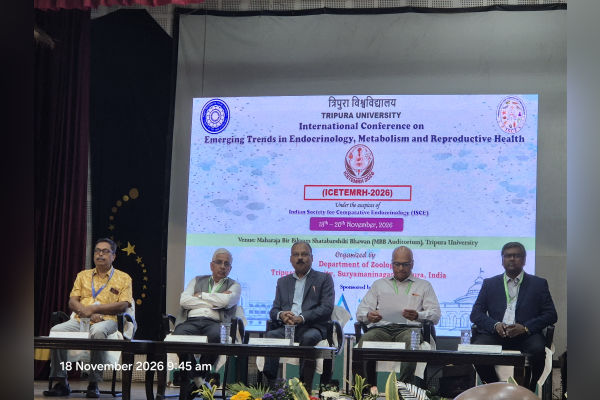
A conference at Tripura University called for research to bridge the gap between laboratories and livelihoods, according to a report by TripuraTimes.com. The central message placed the practical relevance of research in focus, asking that academic inquiry be connected more closely with how people live and earn a living.
The available source material consists of the report’s headline and a link to the article. It does not identify the speakers, the conference’s dates or its academic scope, limiting what can be established about the discussions and any recommendations that emerged from them.
The distinction between laboratory work and livelihood outcomes is important to understanding the call. Research can generate knowledge, methods or experimental results, while its application involves a separate question: whether those findings can be used effectively outside the setting in which they were developed. The headline points to that connection without describing a particular route for achieving it.
In this context, linking research with livelihoods means looking beyond the completion of an academic investigation to its potential usefulness. That does not establish that the conference endorsed any specific technology, economic activity or development programme. No such details appear in the supplied material, and the call should not be read as evidence that an application has already been demonstrated.
The issue matters because a research finding and a practical benefit are not interchangeable. Assessing a possible application generally requires attention to the needs of intended users, the conditions in which it would operate and whether it can be sustained. These are broader considerations raised by the laboratory-to-livelihood theme, rather than confirmed elements of the conference proceedings.
The report’s framing also leaves open how the university or conference participants would measure success. The supplied material does not describe targets, funding, partnerships or a timetable for follow-up work. It therefore supports an account of the conference’s stated emphasis, but not a conclusion about the scale or likely impact of any resulting activity.
For readers, the key distinction is between an appeal for research with practical relevance and an announcement of a completed initiative. TripuraTimes.com’s headline reports the former. Further information would be needed to establish whether the discussions produced formal recommendations, identified projects or assigned responsibility for carrying ideas beyond the conference.
What happens next remains unspecified in the available report. Any assessment of the conference’s longer-term significance will depend on documented follow-up, including whether its central call leads to identifiable research applications. For now, the reported outcome is an emphasis on narrowing the distance between academic work and livelihoods, rather than a verified account of changes already delivered.
Primary source: Google News Tripura. Newzly rewrites and structures source reporting for clarity; verify critical details at the original.