Women Secure Over 61% of First-Year MBBS Admissions in Andhra Pradesh
Women secured more than 61 percent of first-year MBBS seats in Andhra Pradesh for the current academic session, outperforming male candidates across both government and private medical institutions statewide.
In this piece
Female students claimed 61.34 percent of State quota MBBS seats in Andhra Pradesh, decisively surpassing male candidates. Admissions data from Dr. NTR…
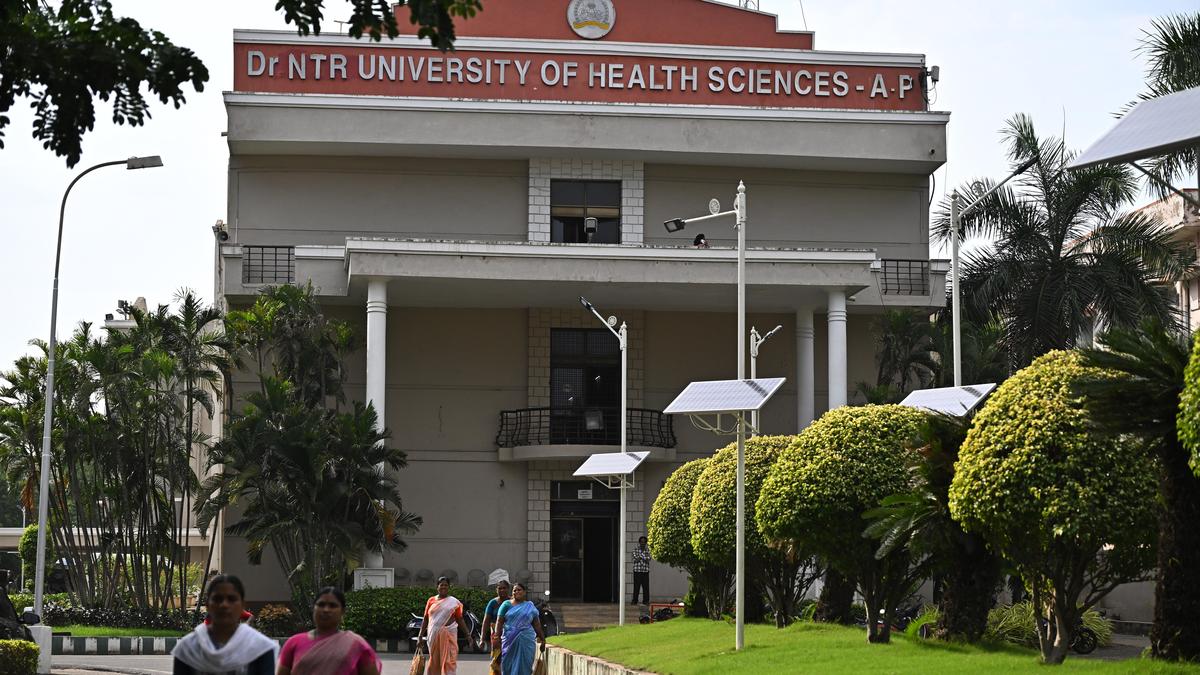
Women have secured a decisive majority in first-year MBBS admissions across Andhra Pradesh, claiming more than 61 percent of total seats filled under the State quota for the current academic year. Official counseling data released by Dr. NTR University of Health Sciences reveals that female candidates decisively outperformed male peers across multiple admission brackets. The figures underscore an accelerating demographic shift among aspiring doctors entering the state medical education ecosystem.
According to admission statistics submitted to the state health administration, female students secured 61.34 percent of the 6,929 MBBS seats allocated through state-level counseling rounds. In contrast, male candidates accounted for 38.66 percent of the admissions, reflecting a wide gender margin across both government and private medical institutions. The university oversees centralized allotment processes for undergraduate medical education programs throughout Andhra Pradesh.
Overall seat occupancy across the state reached historic highs, registering a 99.88 percent admission rate across 7,465 total available medical seats, which include both state and All India Quota allotments. University officials confirmed that only eight medical seats remained unfilled across the entire state by the conclusion of counseling procedures. State-run government medical colleges achieved a complete 100 percent seat uptake, leaving no vacancies.
The dominance of female candidates was evident across diverse reservation and financial tiers of the admission matrix. Women secured the larger share of seats under the Competent Authority Quota, which carries subsidized fee structures, as well as under the privately funded Management Quota. Health officials noted that high scores achieved in competitive entrance examinations allowed women to secure placements in merit-based categories without relying solely on mandatory horizontal reservations.
The results in Andhra Pradesh mirror wider national patterns observed in recent editions of the National Eligibility cum Entrance Test for Undergraduates. Across India, female candidates have consistently registered higher qualification numbers, steadily translating entrance test success into classroom representation. State medical educators point out that southern states have historically maintained high female literacy and enrollment ratios, creating a robust foundation for competitive professional exams.
Healthcare analysts view the increasing intake of women into medicine as an important catalyst for long-term health system equity. A growing cadre of female physicians is anticipated to improve community health outcomes, particularly in reproductive, maternal, and pediatric clinical environments. Enhanced female representation also fosters greater institutional diversity within tertiary care hospitals and academic departments where women have historically faced leadership ceilings.
Despite significant gains at the undergraduate entry level, medical professionals emphasize that retaining women in specialized clinical disciplines remains an ongoing imperative. Studies on healthcare workforce distribution indicate that career progression often faces friction during postgraduate residency and super-specialty training, particularly in demanding surgical specialties. Establishing supportive working conditions and structured mentorship will be critical to sustaining these gains throughout advanced medical careers.
Medical colleges affiliated with Dr. NTR University of Health Sciences have commenced foundational coursework and clinical orientation for the incoming class. University authorities and college administrations are prioritizing academic infrastructure and hostel amenities to accommodate the incoming batch across government and private campuses. State officials expressed confidence that the near-perfect seat utilization rate will maximize healthcare training capacity and strengthen the future physician pipeline.
Moving forward, public health planners intend to observe how this emerging generation of medical professionals influences local healthcare delivery models. Observers will track whether higher undergraduate enrollments translate into proportional gains in rural service postings and primary health center staffing. The university is scheduled to review progress reports and examination metrics as the incoming batch advances into hands-on hospital rotations over the coming academic terms.
Primary source: Google News Andhra Pradesh. Newzly rewrites and structures source reporting for clarity; verify critical details at the original.