Trump Accounts Traded Up to $97.5 Million in Nvidia as Jensen Huang Gained White House Access
Investment accounts tied to Donald Trump traded up to $97.5 million in Nvidia shares as CEO Jensen Huang engaged with administration officials, including a divestment following a national security briefing.
In this piece
Financial disclosures reported by CNBC reveal investment accounts linked to Donald Trump traded up to $97.5 million in Nvidia stock during a period of…
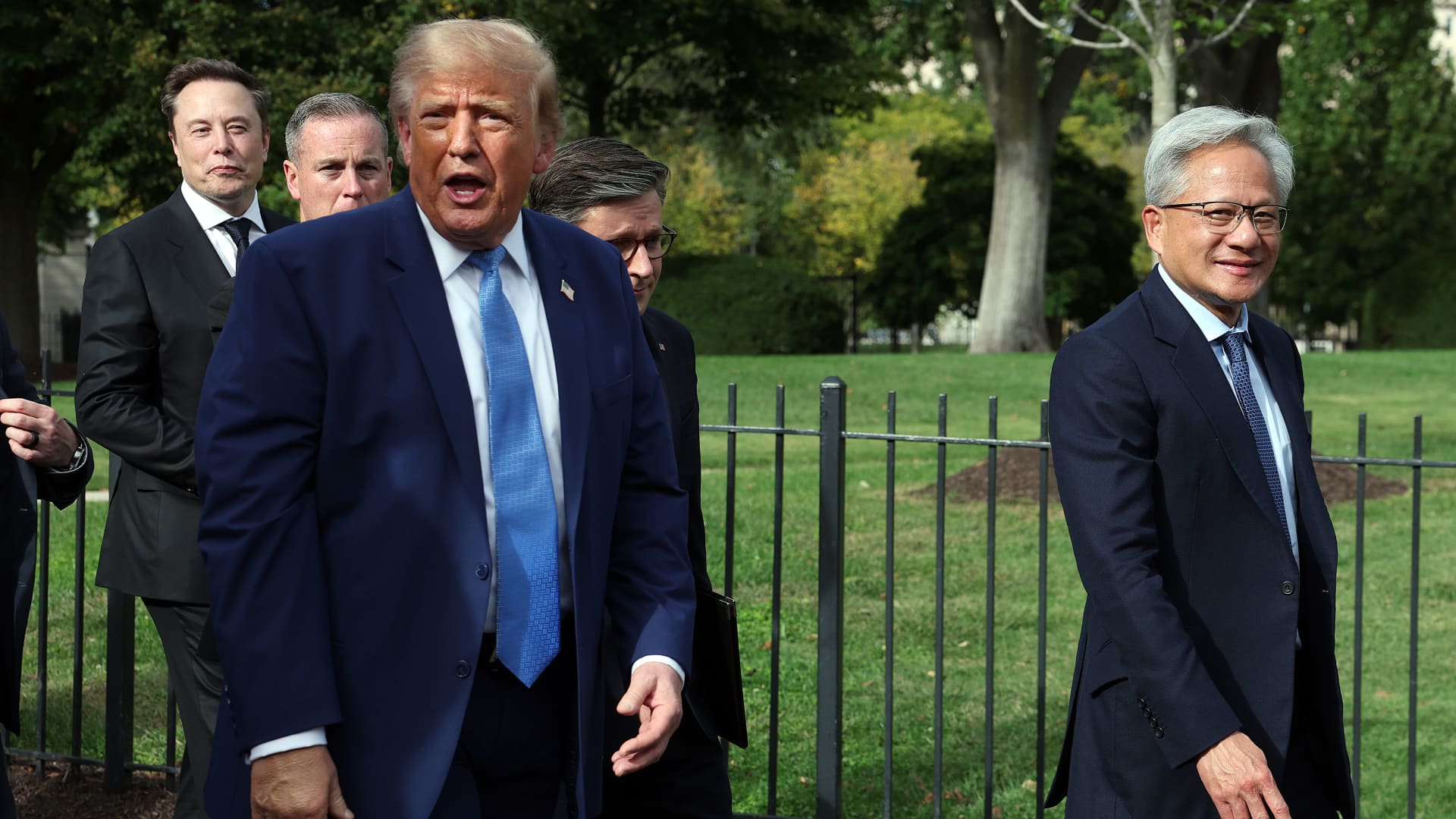
According to financial disclosure records reported by CNBC, investment accounts affiliated with President Donald Trump engaged in up to $97.5 million in transactions involving Nvidia stock as the chipmaker's chief executive, Jensen Huang, sought and secured access to administration officials. The disclosure filings revealed that the accounts sold up to $1 million worth of Nvidia shares five days after Trump received an intelligence briefing concerning Huang's relationship with a woman suspected of spying for China.
The disclosures illustrate that Trump-linked investment vehicles bought and sold substantial positions in the semiconductor giant during a period marked by consequential policy determinations regarding artificial intelligence and high-end chip exports. Personal holdings tied to the president expanded significantly over the course of the year, growing from under $1.5 million at the close of 2024 to an estimated value between $13 million and $62 million by late summer.
The timing of the transactions has intensified scrutiny due to the intersection of national security assessments and executive branch engagements. Reporting indicates that the specific stock sale occurred shortly after Secretary of State Marco Rubio briefed the president on intelligence matters related to a suspected foreign intelligence operative with ties to Huang.
In response to inquiries regarding the briefing and transactions, Trump publicly defended Huang and disputed or downplayed aspects of the reported warnings. Trump expressed confidence in the Nvidia chief executive, stating he believed Huang had no awareness of any connection between the individual and foreign intelligence operations.
Representatives for the White House and the Trump Organization emphasized that the president does not direct day-to-day trading activity within his investment accounts. Officials maintained that the assets remain placed in independent discretionary accounts managed entirely by third-party financial institutions and professional advisers without executive involvement.
The stock movements coincided with aggressive lobbying and diplomatic efforts across the tech sector as Washington evaluates restrictions on advanced semiconductor shipments to overseas markets. Nvidia has been at the forefront of negotiations over export licensing rules, making Huang’s access to senior policymakers a focal point for industry watchers and ethics monitors alike.
Government ethics specialists and congressional critics have raised concerns about the optics and potential conflicts created when presidential investment vehicles trade heavily in corporations directly affected by White House regulatory decisions. Legal scholars note that while presidents are exempt from certain federal conflict-of-interest statutes, active trading in companies under regulatory review frequently invites intense bipartisan oversight.
Nvidia remains a linchpin of the global technology sector and an anchor for major equity benchmarks, meaning any shift in federal export controls or presidential policy can swing billions in market capitalization. Industry analysts have noted that regulatory clarity around international trade remains crucial for semiconductor manufacturers navigating complex geopolitical rivalries.
Lawmakers are expected to review the transaction timelines as oversight committees evaluate disclosure transparency and executive financial arrangements. While the administration continues to formulate its broader technology trade policies, ethics watchdogs are likely to maintain pressure on both regulatory agencies and White House officials to address how discretionary trading boundaries are enforced.
Primary source: CNBC Top News. Newzly rewrites and structures source reporting for clarity; verify critical details at the original.