Trump Administration Aided Nearly Half of US Coal Plants, Analysis Finds
Federal interventions provided approximately $950 million in taxpayer backing and key environmental exemptions to 90 domestic coal facilities to sustain operations amid persistent economic challenges.
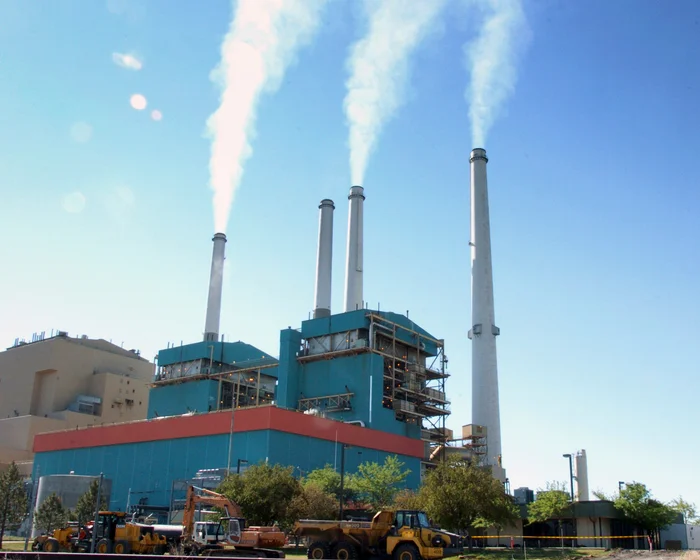
The Trump administration has directed substantial federal backing to nearly half of the operating coal fleet in the United States, according to a comprehensive review released by the Environmental Defense Fund. The advocacy group's findings indicate that federal interventions have sought to keep struggling facilities active through financial transfers and regulatory dispensations.
The analysis evaluated the 184 operating coal-fired power plants currently connected to the American electrical grid. Out of those facilities, the review identified 90 individual plants that benefited directly from administrative measures designed to counter prevailing market pressures and maintain ongoing power generation.
Federal assistance arrived through multiple mechanisms documented in the report, including an estimated $950 million distributed in direct taxpayer-funded disbursements. Alongside direct funding, federal officials granted targeted exemptions from statutory requirements under the Clean Air Act, providing what environmental researchers characterized as dispensations to emit pollutants above standard limits.
In addition to financial awards and regulatory reprieves, the administration intervened by issuing formal directives requiring selected facilities to remain operational past their previously planned retirement dates. Energy researchers noted that such orders effectively interrupted established phaseout schedules established by regional utilities and municipal power operators.
The policy interventions come during a prolonged period of structural economic challenges for domestic coal generation across North America. For more than a decade, traditional coal plants have confronted intense economic headwinds driven by cheaper natural gas, declining costs for renewable generation, and evolving state-level clean energy standards.
The Clean Air Act has historically served as the cornerstone framework governing emissions from industrial thermal generation facilities nationwide. The easing of these pollution benchmarks under administrative exemptions represents a significant departure in regulatory enforcement, aimed explicitly at lowering compliance costs for conventional operators.
Environmental analysts argue that extending the lifespan of aging facilities carries notable public health and ecological consequences. The continued combustion of thermal coal releases sulfur dioxide, nitrogen oxides, and particulate matter, alongside greenhouse gases that contribute to long-term climate warming.
Federal policymakers supporting the measures have typically maintained that preserving baseload thermal power is necessary to safeguard electrical grid reliability during seasonal demand peaks. Conversely, clean energy advocates and grid economists question whether subsidizing depreciated assets represents an efficient expenditure of public capital compared to modernizing transmission infrastructure.
The findings highlight ongoing debates over transparency regarding federal resource allocation and regulatory flexibility in the energy sector. Industry analysts continue to assess how sustained federal interventions alter commercial power markets and influence competitive wholesale pricing mechanisms.
Moving forward, the durability of these operational extensions and financial provisions will depend heavily on administrative review and potential scrutiny from legal authorities and utility regulators. Environmental organizations, including the Environmental Defense Fund, indicate they will continue monitoring grid operations and federal spending as state utilities determine their long-term resource portfolios.
Primary source: The Guardian Business. Newzly rewrites and structures source reporting for clarity; verify critical details at the original.