Trump plans more tariffs on India, China and other economies, report says
The United States is set to raise tariffs on India, China and dozens of other economies over industrial subsidies, according to an Economic Times report citing The Wall Street Journal.
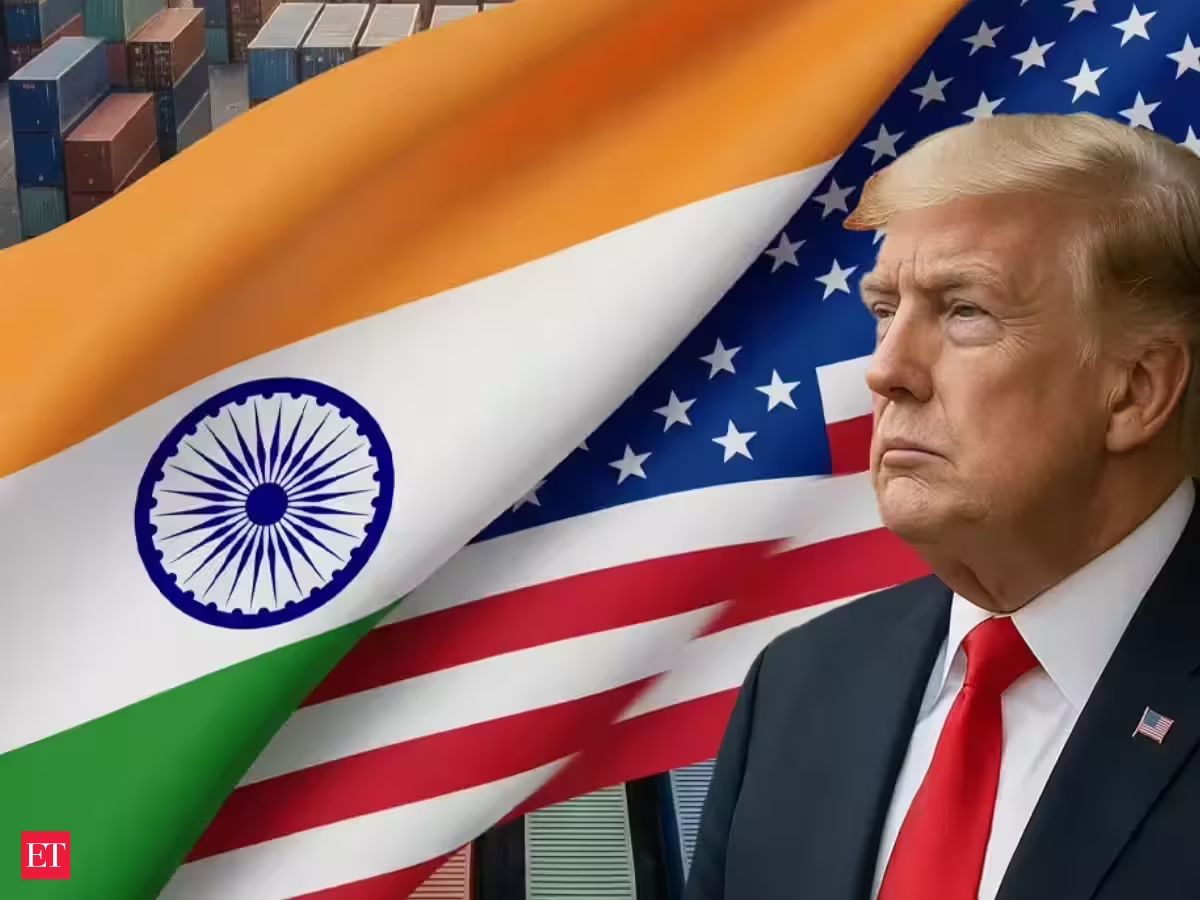
In this piece
An Economic Times report citing The Wall Street Journal says the Trump administration is preparing higher tariffs on India, China and dozens of other economies…
The Trump administration is set to raise tariffs on India, China and dozens of other economies over industrial subsidies, according to an Economic Times report citing The Wall Street Journal. The reported move would extend tariff pressure across a broad group of trading partners, although the supplied material does not establish the scope or timing of the increases.
India and China are the only economies identified by name in the supplied headline and article address. The reference to dozens of others suggests a wider initiative rather than a measure confined to those two countries, but a complete list of affected economies was not provided.
Industrial subsidies are identified as the issue behind the reported tariff increases. Such support can become a trade dispute when governments argue that assistance to domestic producers gives their goods an advantage over competing imports, although the supplied material does not specify which subsidy programs the administration is challenging.
The distinction between a reported plan and an implemented tariff is important for businesses assessing their exposure. No tariff rates, product lists, effective dates or exemptions appear in the material provided, leaving insufficient information to calculate how much additional duty any particular shipment could face or when that cost might arise.
Tariffs are duties charged on imported goods, and their commercial impact depends on how a measure is designed. Importers may absorb additional costs, seek lower prices from suppliers or pass some costs to customers, but those choices cannot be assessed for this reported initiative without details about the products and rates involved.
For exporters in India, China and the other economies covered by the report, the central questions concern market access and pricing. A higher duty can change the cost of supplying the U.S. market, while differences in treatment between countries or products can influence purchasing decisions; neither the scale nor the distribution of those effects is established here.
The available information also leaves the policy process unclear. It does not identify a legal mechanism, describe any formal findings on subsidies or establish whether the reported increases would supplement existing duties, so the report should not be read as a complete account of a finalized tariff action.
The next substantive development would be an announcement or published documentation establishing the countries, goods, rates and implementation schedule involved. Until those details are available, the Economic Times report points to the prospect of broader U.S. tariff action over industrial subsidies, rather than providing enough information to determine its precise economic consequences.
Primary source: Economic Times. Newzly rewrites and structures source reporting for clarity; verify critical details at the original.