US Weighs Higher Tariffs on India, China, and 14 Other Trading Partners
The United States is weighing higher import tariffs on sixteen countries, including India and China, amid allegations that foreign subsidies and low-cost goods are disadvantaging domestic American manufacturers.
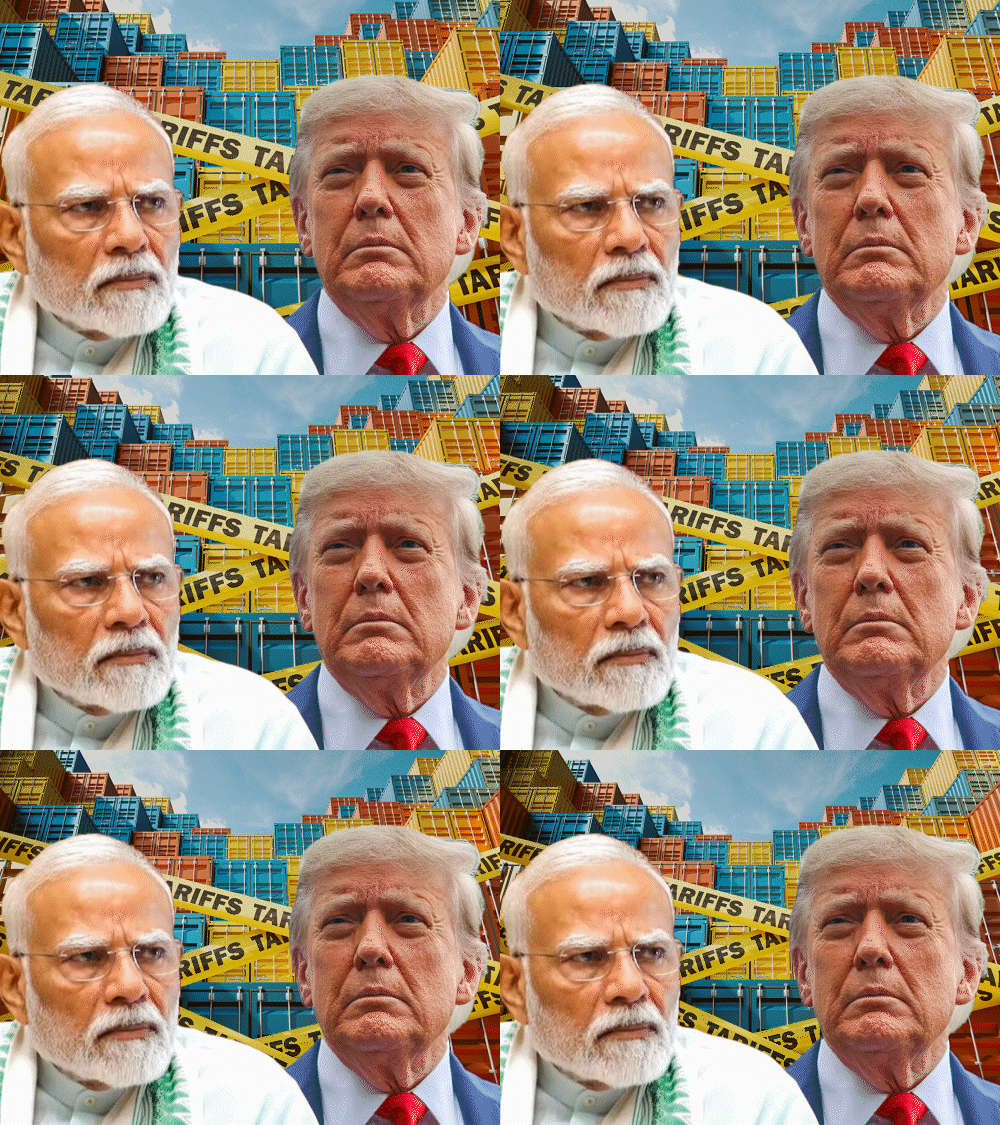
In this piece
United States trade officials are reportedly evaluating higher import tariffs across sixteen countries, including India and China, over allegations of…
The United States is preparing potential tariff increases on imports from approximately sixteen nations, including India and China, according to international trade reports. The proposed measures follow mounting claims from Washington that subsidized and low-priced foreign goods are undercutting domestic producers and inflicting economic harm on American companies.
Under existing trade arrangements, Indian goods already face an average import tariff of roughly 18 percent in the United States. The potential revision could push those duties higher, adding fresh friction to bilateral trade relations that have seen periodic negotiations over market access and industrial protections.
At the center of Washington's consideration are allegations that foreign governments provide extensive subsidies and financial relief to their domestic industries. U.S. officials and industry representatives argue that such state support enables foreign exporters to sell products below fair market rates, placing unassisted American enterprises at a competitive disadvantage.
The trade scrutiny is reportedly being guided by formal assessments and investigations conducted by American trade authorities, including the Office of the United States Trade Representative. These inquiries focus on whether existing tariff schedules adequately counterbalance foreign trade practices and whether broader defensive measures are required across strategic industrial sectors.
For India, any upward adjustment in tariff levels represents a notable trade hurdle for key export sectors that rely heavily on the American consumer market. Indian policymakers have historically contested sweeping tariff classifications, maintaining that developing economies require targeted support programs to sustain local manufacturing and employment.
China, which has long been the primary target of punitive U.S. duties, features prominently among the sixteen nations under review. Expanding tariff actions across sixteen distinct trading partners signals a broader multilateral approach from Washington rather than an isolated confrontation with Beijing, potentially reshaping global supply chains.
Domestic manufacturers in the United States have repeatedly urged authorities to tighten border measures against subsidized manufacturing, claiming that an influx of cheaper foreign alternatives threatens domestic factory employment and factory investments. Conversely, import-reliant businesses and consumer groups have cautioned that escalating tariffs typically raise procurement expenses, which are often passed along to end consumers.
The prospective tariff action underscores an ongoing shift toward aggressive protectionism within major international markets. Economists note that synchronized tariff hikes against multiple major partners risk triggering retaliatory trade barriers, complicating multilateral trade governance and dampening cross-border commercial flows.
Trade representatives and diplomatic delegations from the affected countries are expected to monitor official announcements from Washington closely as administrative reviews conclude. Bilateral negotiations and trade dialogues over the coming weeks are likely to determine whether the proposed levies will take full effect or if targeted exemptions can be achieved through diplomatic engagement.
Primary source: Divya Bhaskar International. Newzly rewrites and structures source reporting for clarity; verify critical details at the original.