Trump, Putin, and Xi Set for Unprecedented Trilateral Summit in Shenzhen
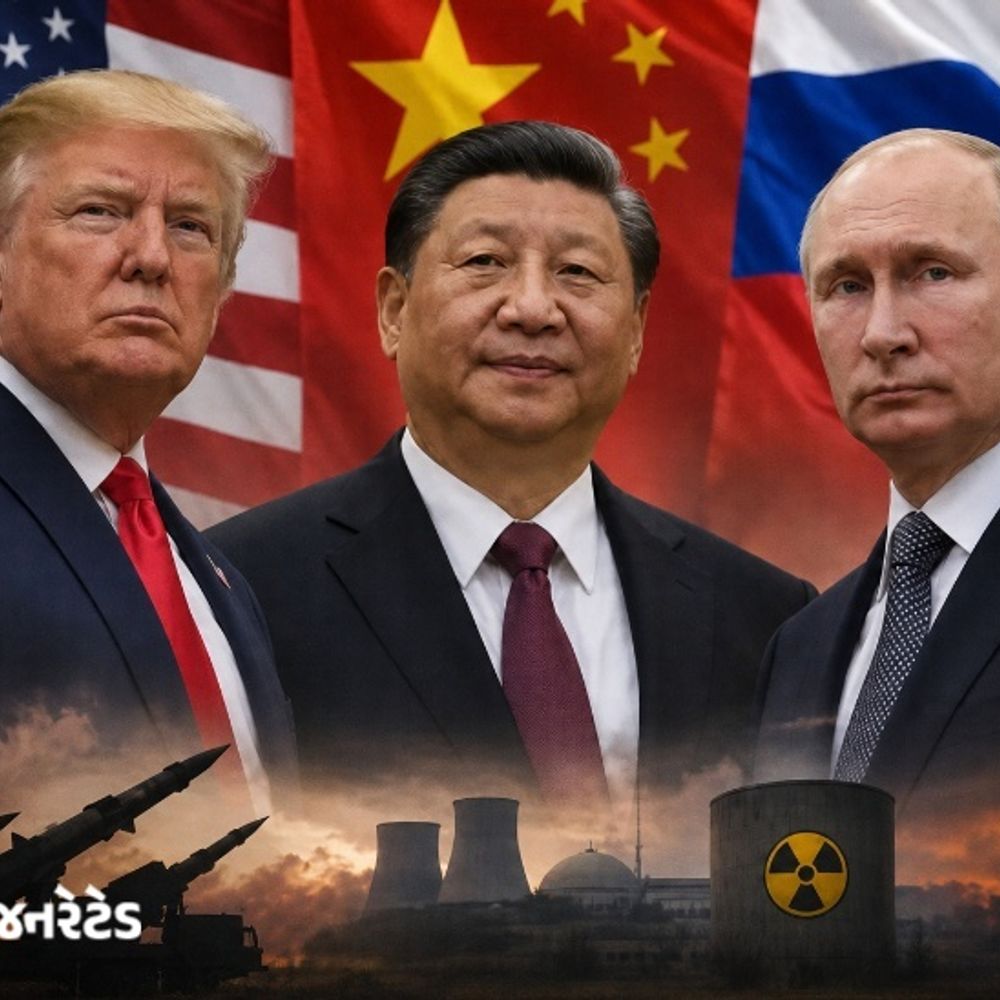
U.S. President Donald Trump, Russian President Vladimir Putin, and Chinese President Xi Jinping are set to hold an unprecedented trilateral meeting alongside the APEC summit in Shenzhen, drawing historic parallels to major post-war superpower conferences.
In this piece
Leaders of the United States, Russia, and China are preparing for an unprecedented trilateral meeting on the sidelines of the APEC summit in Shenzhen. With…
U.S. President Donald Trump, Russian President Vladimir Putin, and Chinese President Xi Jinping are scheduled to hold a historic trilateral meeting on the sidelines of the Asia-Pacific Economic Cooperation summit in Shenzhen, China. The diplomatic gathering marks an unprecedented direct session bringing together the heads of the world's three preeminent military and economic superpowers. Adding to the high-profile nature of the talks, billionaire Elon Musk is expected to accompany the American delegation.
Observers have quickly drawn parallels between the planned session and the monumental summits of the mid-twentieth century, noting it has been roughly eight decades since the leaders of the dominant global powers convened in such a compact format. Not since the allied wartime conferences of 1945 have the chief executives of Washington, Moscow, and Beijing engaged in a joint summit of this scope. The historical resonance underscores the gravity of current geopolitical shifts as the three nations navigate increasingly volatile international alignments.
Central to the anticipated discussions is the pressing matter of strategic stability and global nuclear arms control. With legacy frameworks such as the New START treaty lapsing, international diplomats have grown increasingly concerned over the absence of binding caps on strategic arsenals. U.S. and regional officials indicate that trilateral dialogue on arms reduction will form a major pillar of the agenda, even as the paths toward enforceable agreements remain politically fraught.
Broader geopolitical conflicts, particularly escalating hostilities and strategic tensions involving Iran, are also expected to occupy a prominent place during the talks. While the primary focus remains on overarching security dynamics and non-proliferation, diplomatic observers anticipate that the leaders will seek to gauge one another's red lines across the Middle East. White House officials have indicated that while broader security issues will be addressed, certain regional wars may not serve as the central axis of this specific trilateral channel.
The inclusion of Elon Musk within the American orbit at the summit introduces a unique dimension to traditional statecraft. Musk, whose commercial aerospace, satellite communications, and technological ventures intersect heavily with both global security and international supply chains, maintains extensive commercial ties in China. His presence alongside Trump highlights how commercial technology and private-sector infrastructure have become deeply entwined with modern diplomatic negotiations.
For Beijing, hosting the summit within the technological hub of Shenzhen during the APEC gathering serves as a prominent platform to project diplomatic leadership. Chinese officials have positioned the gathering as an opportunity to foster dialogue amid mounting economic frictions and strategic competition. The choice of Shenzhen, often regarded as China's premier innovation capital, subtly reinforces the technological stakes underpinning contemporary superpower rivalries.
Despite the visual potency of the three leaders sharing a room, sharp divisions continue to define relations between Washington, Beijing, and Moscow. Disagreements over global trade, territorial claims in the Pacific, and broader ideological alignments present steep barriers to genuine consensus. Analysts note that while Moscow and Beijing have cultivated a closer partnership in recent years, each capital enters the room with distinct national priorities and strategic leverage.
Officials involved in summit preparations have consistently moved to temper public expectations, cautioning against forecasts of immediate breakthroughs or binding treaties. The vast divergence in strategic interests means that even maintaining open channels of communication represents a measured achievement for the delegations. Diplomatic analysts view the encounter primarily as a high-stakes consultative exercise designed to establish guardrails rather than to finalize sweeping accords.
As the scheduled meeting in Shenzhen approaches, global markets and allied capitals are closely monitoring diplomatic cues and official statements emerging from all three camps. The outcome of the talks could set the baseline tone for international relations and regional security arrangements over the coming years. Whether the summit yields tangible progress or serves chiefly as symbolic theater, the direct encounter between Trump, Putin, and Xi ensures a defining moment in contemporary global diplomacy.
Primary source: Divya Bhaskar International. Newzly rewrites and structures source reporting for clarity; verify critical details at the original.