Trump Returns From Asia as U.S.-China Tensions Persist Over Trade, Taiwan, and Tech
President Donald Trump concluded a high-stakes Asia tour with persistent tensions over trade, Taiwan, and technology with China unresolved, while senior officials defended the limits of personalized diplomacy.
In this piece
President Donald Trump returned from an Asia trip leaving major disputes with China over trade, technology, and Taiwan unresolved. Joined by Vice President JD…
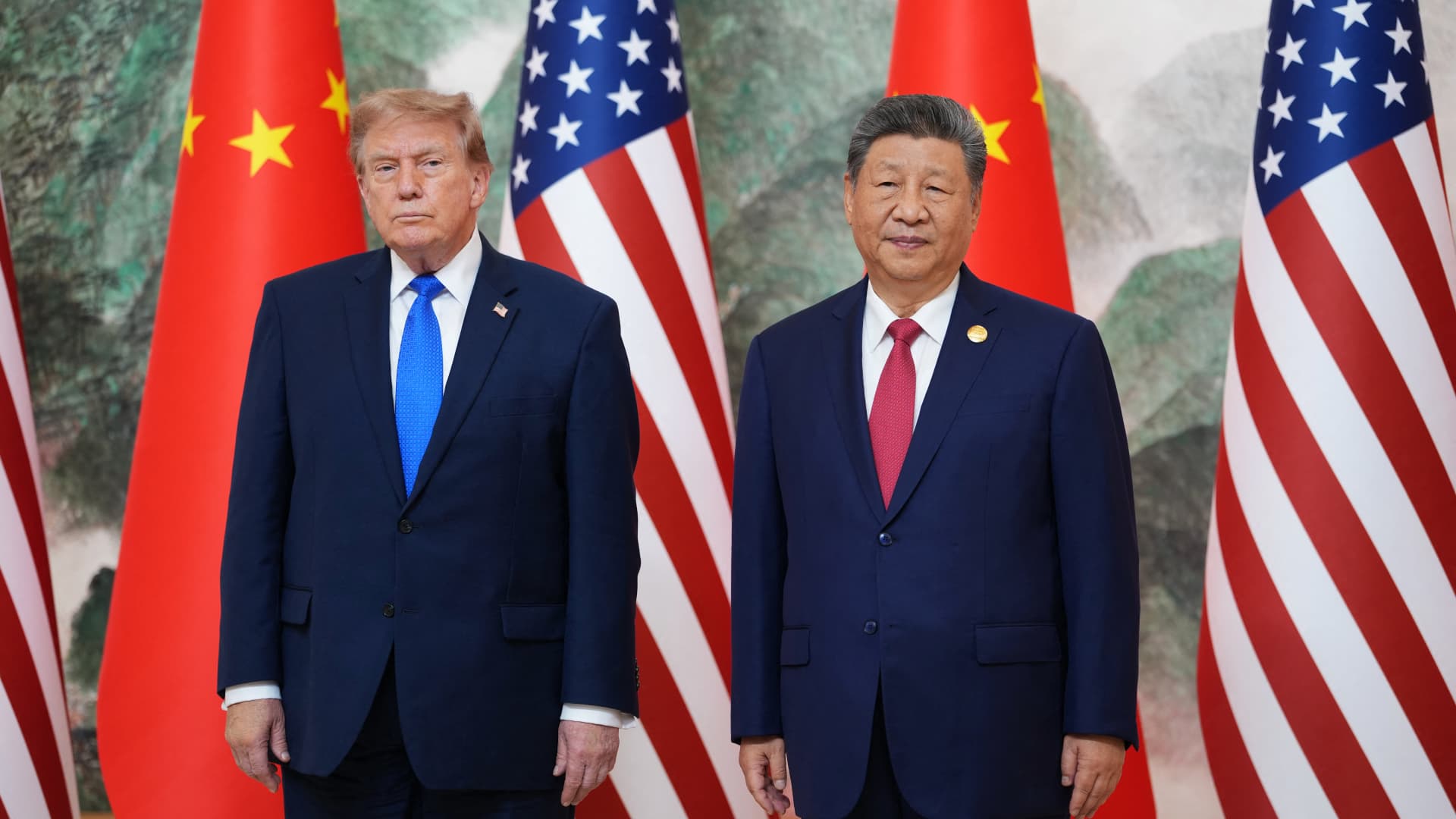
President Donald Trump concluded a high-stakes trip across Asia with core friction points between Washington and Beijing left unresolved, as discussions over trade disputes, Taiwan, and technological competition yielded little definitive progress. Following his return, Trump addressed the outcome alongside Vice President JD Vance and Secretary of State Marco Rubio, offering a defense of his direct engagement while facing questions over what the diplomatic tour achieved.
During post-summit briefings with reporters, administration officials outlined discussions centered on bilateral ties with China and the broader regional balance of power. Trump emphasized his personal rapport with foreign leaders, reiterating his standing relationships with Chinese President Xi Jinping and Russian President Vladimir Putin while maintaining that foreign adversaries could not dictate terms to the United States.
The diplomatic mission underscored both the ambitions and the inherent constraints of Trump's personalized approach to statecraft on the world stage. While one-on-one dialogues and multilateral engagements aimed to bridge long-standing divisions, the talks highlighted how complex strategic rivalries resist rapid breakthroughs driven solely by individual rapport.
Economic matters formed a primary pillar of the discussions, yet structural friction surrounding tariffs, manufacturing imbalances, and broader trade rules remains entrenched between the world's two largest economies. Despite extensive deliberations throughout the tour, neither side announced concrete agreements capable of resolving long-running commercial disagreements or easing competitive economic pressures.
Technological rivalry proved equally difficult to untangle during the regional summitry. Critical disputes over advanced computing, export restrictions, and secure supply chains continue to separate the two powers, with neither nation signaling major concessions on policies viewed as vital to national security and future economic dominance.
Geopolitical security in East Asia, particularly surrounding the status of Taiwan, presented another formidable point of persistent tension throughout the talks. Diplomatic discussions failed to produce new understandings or ease long-standing disagreements regarding cross-strait stability, leaving regional partners closely monitoring the administration's strategic posture following the delegation's departure.
Facing domestic scrutiny regarding his engagements abroad, Trump forcefully defended his bilateral interactions with both Xi and Putin. Addressing critics, Trump asserted that maintaining open channels of communication with authoritarian counterparts remains advantageous, even as he clarified the limits of foreign influence by stating that outside leaders cannot speak for America.
The joint presence of Vance and Rubio in briefing reporters signaled an effort by senior leadership to project strategic alignment on foreign policy priorities. Both officials sought to reinforce the administration's stance on strategic competition, emphasizing that high-level engagement does not diminish the administration's commitment to protecting domestic interests against foreign competitors.
The absence of substantive breakthroughs highlights the deepening entrenchment of geopolitical rivalry between the United States and China. Analysts and international observers note that personal summits, while useful for establishing lines of communication, often hit hard walls when confronting structural disputes rooted in trade balances, military posture, and technological sovereignty.
Moving forward, relations between Washington and Beijing appear set to navigate ongoing friction without immediate structural relief on the economic or security fronts. As the administration evaluates the diplomatic results of the Asia meetings, international markets and regional allies will watch closely for subsequent policy moves, trade measures, or further diplomatic exchanges that may shape the next phase of bilateral relations.
Primary source: Google News U.S.. Newzly rewrites and structures source reporting for clarity; verify critical details at the original.