Trump Will Not Raise Nvidia, Spy Issue on China Trip: Officials
U.S. officials say President Trump does not plan to discuss former Nvidia CEO Jensen Huang's resignation or alleged ties to a suspected Chinese operative during his upcoming trip to China.
In this piece
President Donald Trump will not raise the sudden resignation of former Nvidia CEO Jensen Huang during his upcoming visit to China, according to U.S. officials.…
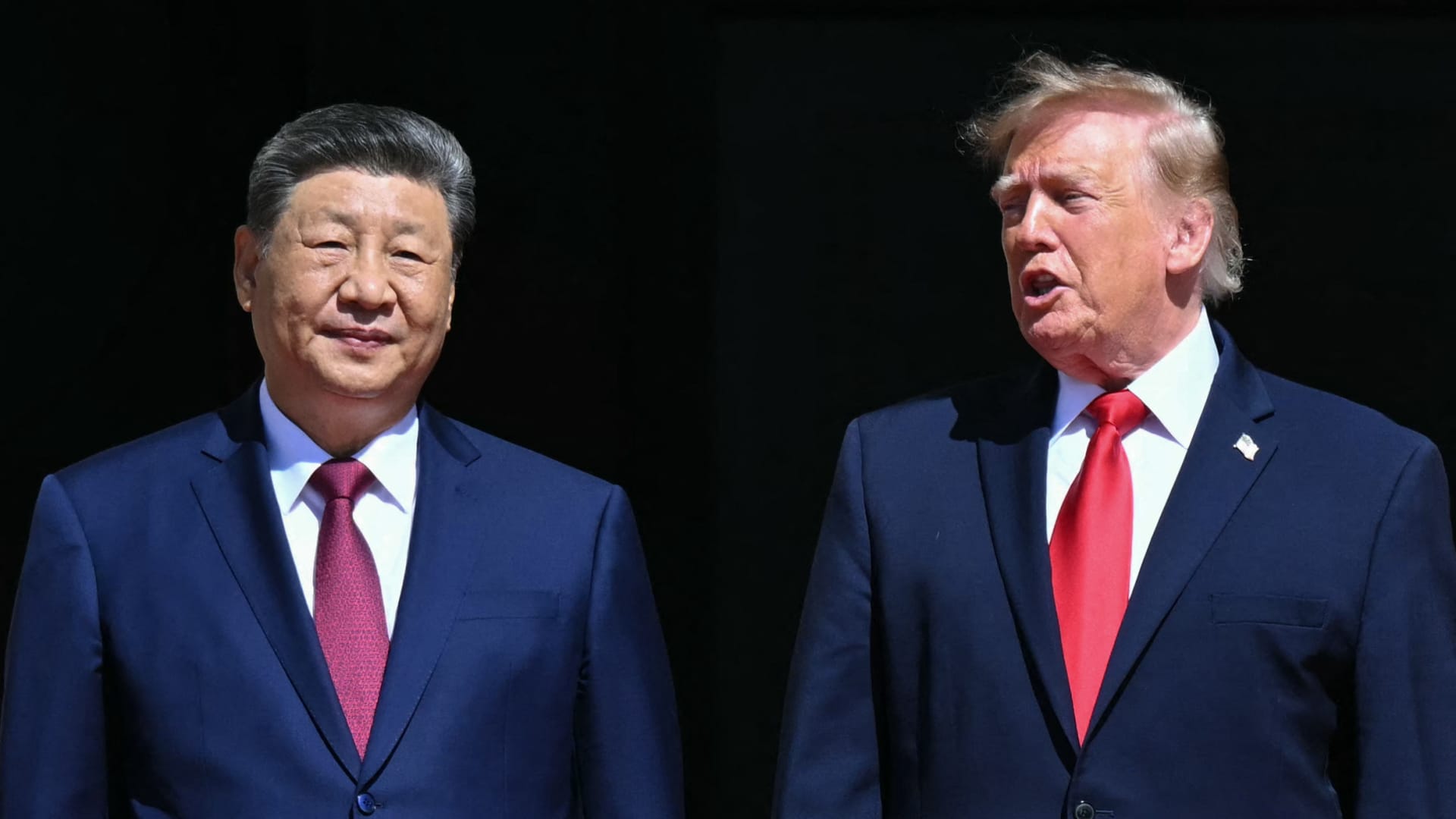
President Donald Trump does not plan to address the resignation of Nvidia Chief Executive Jensen Huang or allegations involving a suspected Chinese operative during his upcoming trip to China, according to U.S. officials. The decision keeps the sensitive corporate development and national security questions off the official bilateral agenda for the high-level summit. Officials indicated that the planned diplomatic itinerary will remain focused on established bilateral priorities rather than the recent executive controversy.
The development follows a dramatic leadership shakeup at the prominent semiconductor company earlier this week. Jensen Huang resigned from his role as chief executive following reports disclosing multiple personal affairs, including an alleged relationship with a suspected Chinese spy identified as Alice Huang. The sudden departure of the longtime technology executive sent shockwaves across the corporate sector and prompted immediate scrutiny in Washington.
Nvidia has long occupied a pivotal position in the global technology race, supplying essential computing hardware that powers cutting-edge artificial intelligence infrastructure. Because advanced microchips represent a vital national security asset, any allegations touching on foreign intelligence networks naturally reverberate through defense and technology circles. Industry observers have noted that counterintelligence concerns involving high-level semiconductor executives carry significant strategic implications.
According to administration officials familiar with the preparations, the White House determined that the diplomatic mission should not become entangled with ongoing corporate and investigative developments. U.S. representatives emphasized that matters involving counterintelligence and potential corporate inquiries are properly handled through specialized domestic agencies. As a result, the issue will not be raised during bilateral talks with Chinese leaders.
The relationship between Washington and Beijing has grown increasingly fraught around technology competition, particularly regarding trade restrictions, advanced computing hardware, and cybersecurity. Semiconductor technology remains one of the most sensitive friction points, with both nations seeking to safeguard critical intellectual property and supply chain resilience. Raising the Nvidia scandal directly risked complicating delicate diplomatic talks already centered on contentious geopolitical topics.
Corporate governance specialists pointed out that abrupt executive departures under such circumstances usually initiate rigorous internal audits and consultations with regulatory bodies. While Nvidia has not released comprehensive details beyond the resignation, federal authorities routinely review foreign counterintelligence risks when prominent technology figures are implicated. Such procedures, however, proceed under standard investigative frameworks rather than diplomatic negotiations.
By separating the China trip agenda from the controversies surrounding the chipmaker, the administration appears intent on keeping diplomatic discussions centered on broader macroeconomic policies and strategic stability. Observers suggest that diplomatic negotiations rarely integrate emerging counterintelligence allegations while relevant assessments remain active. This approach allows bilateral envoys to pursue broader geopolitical objectives without immediate distraction.
The leadership vacuum at Nvidia nevertheless comes at an extraordinary moment for the global technology market. Investors, industry partners, and international clients are closely monitoring how the semiconductor manufacturer manages executive transition and addresses governance concerns. The company faces the dual challenge of reassuring market stakeholders while responding to the fallout of the high-profile departure.
Moving forward, U.S. officials maintain that any security evaluations or policy assessments related to the incident will be addressed through established government channels. Further announcements concerning interim corporate leadership at Nvidia and official responses from Washington and Beijing are anticipated as the situation develops.
Primary source: CNBC Top News. Newzly rewrites and structures source reporting for clarity; verify critical details at the original.