Tufts Democrats and Massachusetts Students Lobby for AI Regulation
Tufts Democrats and collegiate activists across Massachusetts are lobbying state lawmakers to establish comprehensive artificial intelligence regulations, pressing for statutory guardrails as automation accelerates throughout society.
In this piece
Student organizers from the Tufts Democrats and higher education institutions across Massachusetts are urging state legislators to establish comprehensive…
Members of the Tufts Democrats and student advocates across Massachusetts have mobilized to lobby lawmakers for comprehensive artificial intelligence regulation, according to reporting from The Tufts Daily. The student-led initiative reflects growing momentum among collegiate organizations seeking to establish statutory guardrails over rapidly emerging AI technologies.
The coordinated advocacy effort brings together collegiate voices from across the Commonwealth to address the policy vacuums surrounding generative systems and automated decision-making. Student organizers are focusing their efforts on state-level policymakers, emphasizing the urgent need for oversight as artificial intelligence tools become deeply embedded in academic, workplace, and civic environments.
Massachusetts has increasingly served as a key battleground for state-level technology policy, with lawmakers considering various measures to manage digital privacy, algorithmic transparency, and workforce disruptions. While federal AI governance efforts have encountered legislative gridlock in Washington, state capitols have emerged as vital testing grounds for actionable regulatory frameworks.
College students occupy a unique vantage point in the evolving debate over artificial intelligence, frequently confronting generative tools both inside the classroom and as prospective entrants to a shifting labor market. Concerns over algorithmic bias, intellectual property integrity, automated surveillance, and future employment stability have driven student political groups to treat technology regulation as a core civic priority.
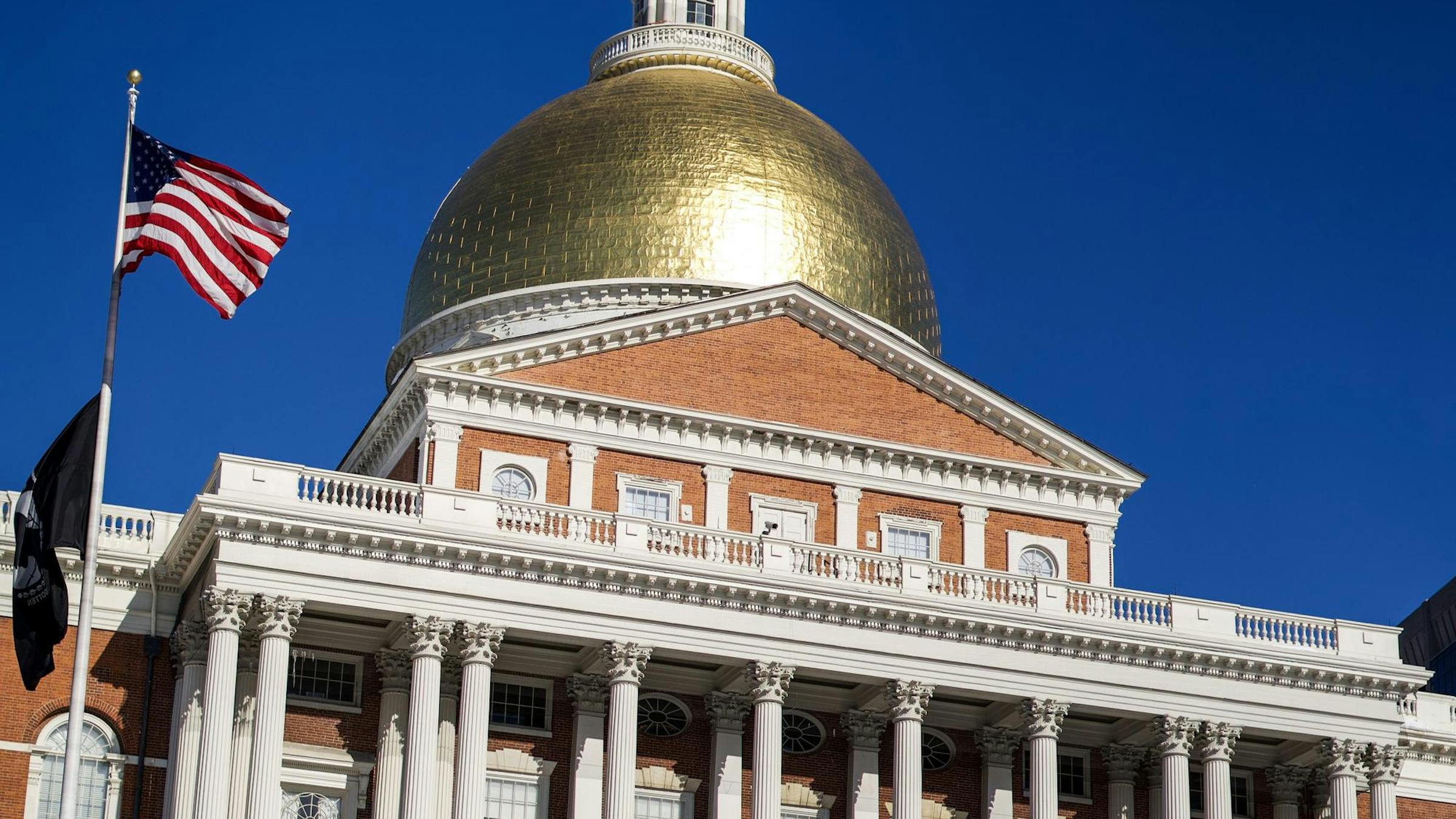
Specific details of the legislative package backed by the student coalition—including statutory language, designated committee assignments, or primary legislative sponsors—were not immediately detailed in initial reporting. However, student lobbying days in Massachusetts traditionally involve direct outreach to legislative delegations, constituent meetings at the State House, and formal testimony on pending regulatory drafts.
State-level oversight initiatives often seek to establish transparency standards for high-risk artificial intelligence models, ensure consumer disclosure when automated content is deployed, and prevent discriminatory outcomes in public-sector algorithms. Advocacy groups argue that without proactive state intervention, technological adoption will far outpace the public sector's capacity to mitigate potential harms.
The push for regulatory guardrails also intersects with the broader regional technology economy, as Massachusetts remains a major hub for venture capital, academic research, and artificial intelligence startups. Tech industry representatives frequently caution against overly restrictive measures that could impede local innovation, underscoring the delicate balance legislators must maintain between public safety and competitive enterprise.
The involvement of collegiate organizations like the Tufts Democrats highlights an expanding remit for campus political chapters, which have historically concentrated on voter registration, civil rights, and electoral campaigning. By elevating artificial intelligence governance to their legislative agendas, student organizers are signaling that technology oversight is now viewed as an essential public interest issue on par with traditional policy concerns.
As legislative sessions in Massachusetts advance, lawmakers are expected to review several technology-related measures alongside input from student coalitions, industry stakeholders, and academic experts. Observers anticipate that sustained grassroots advocacy from collegiate groups could help shape committee hearings and legislative negotiations as state leaders weigh formal rules for artificial intelligence deployment.
Primary source: Google News Massachusetts. Newzly rewrites and structures source reporting for clarity; verify critical details at the original.