world·Florida·Miami-Dade County
Two Planes Collide on Miami Airport Taxiway, Crushing Cargo Jet Nose
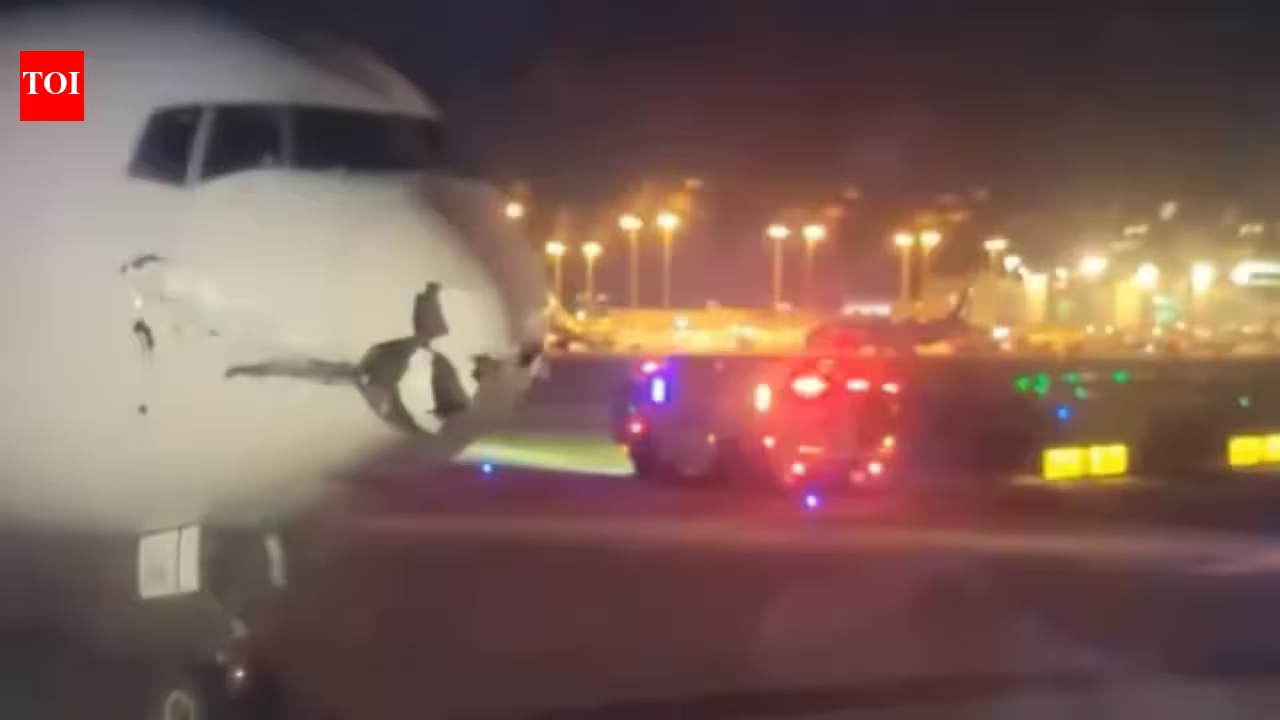
A Copa Airlines passenger jet and a UPS cargo plane collided on a taxiway at Miami International Airport, crushing the freighter's nose and prompting a federal investigation.
In this piece
A Copa Airlines Boeing 737 and a UPS Boeing 767 cargo aircraft collided while taxiing at Miami International Airport on Saturday night. The incident left the…
A Copa Airlines passenger jet and a United Parcel Service cargo plane collided at a taxiway intersection at Miami International Airport on Saturday night, leaving the cargo aircraft with severe nose damage. The Federal Aviation Administration confirmed the ground collision and launched an inquiry into the mishap, which took place as both aircraft were maneuvering across the active airfield.
The incident involved Copa Airlines Flight 427, a Boeing 737 carrying 166 passengers and six crew members arriving from Panama City, and UPS Flight 358, a Boeing 767 freighter preparing to depart for Bogota, Colombia. Ground communications and aviation records indicate that the wingtip of the passenger airliner struck the nose section of the cargo jet near a designated crossing point on the tarmac.
Emergency personnel from Miami-Dade Fire Rescue responded immediately to the taxiway to assess the damage and provide assistance to those involved. First responders treated two individuals for minor injuries at the scene, though officials confirmed that neither patient required hospitalization. All passengers and crew members aboard the commercial flight were evacuated safely and escorted into the airport terminal.
Footage recorded by travelers inside the Copa Airlines cabin and circulated across social media revealed extensive structural crushing to the nose cone of the UPS freighter. The passenger aircraft also sustained noticeable damage along its left wingtip, which bore the brunt of the collision. Ground personnel cordoned off the surrounding taxiways to inspect the debris field and preserve the area for investigators.
Despite the severe damage to the two jets, officials at Miami International Airport reported that overall airfield operations avoided widespread paralysis. Air traffic controllers rerouted taxiing aircraft to adjacent routes and alternate taxiways, allowing scheduled flights to continue arriving and departing without extensive systemic delays. Airport ground crews subsequently worked to secure both planes and clear the taxiway intersection.
Preliminary reviews of air traffic control audio recordings suggested that the UPS cargo aircraft had taxied beyond its designated hold-short instruction line prior to the impact. Controllers had been managing an array of evening flights across the movement area, directing aircraft along specific pathways to avoid conflicts. Federal investigators are now examining telemetry, cockpit audio, and tower logs to confirm the sequence of instructions and crew responses.
The collision occurred in the wake of significant flight disruptions across the United States aviation network over the preceding days. Tarmac safety and surface movement monitoring have drawn increased focus from aviation regulators following a string of close calls and ground incidents at major commercial airports. While low-speed collisions rarely cause fatal injuries, safety experts emphasize that taxiway incursions present substantial hazards that require rigorous operational safeguards.
The Federal Aviation Administration is spearheading the formal investigation into the collision to determine accountability and identify contributing operational factors. Both Copa Airlines and UPS have acknowledged the incident and indicated their full cooperation with federal authorities during the inquiry. Regulators will compile witness testimonies, examine flight data recorders, and evaluate airfield lighting and signage before issuing their preliminary investigative report.
Primary source: Google News India. Newzly rewrites and structures source reporting for clarity; verify critical details at the original.