U.S. Army Faces Scrutiny Over Plan to Detonate Lead Azide in Iowa
The U.S. Army plans to detonate 9,500 pounds of volatile lead azide at an Iowa ammunition plant, sparking backlash after local officials learned about the blast only through a press release.
In this piece
The U.S. Army is preparing to detonate 9,500 pounds of lead azide at an ammunition plant in Iowa. Local officials reported learning about the high-stakes…
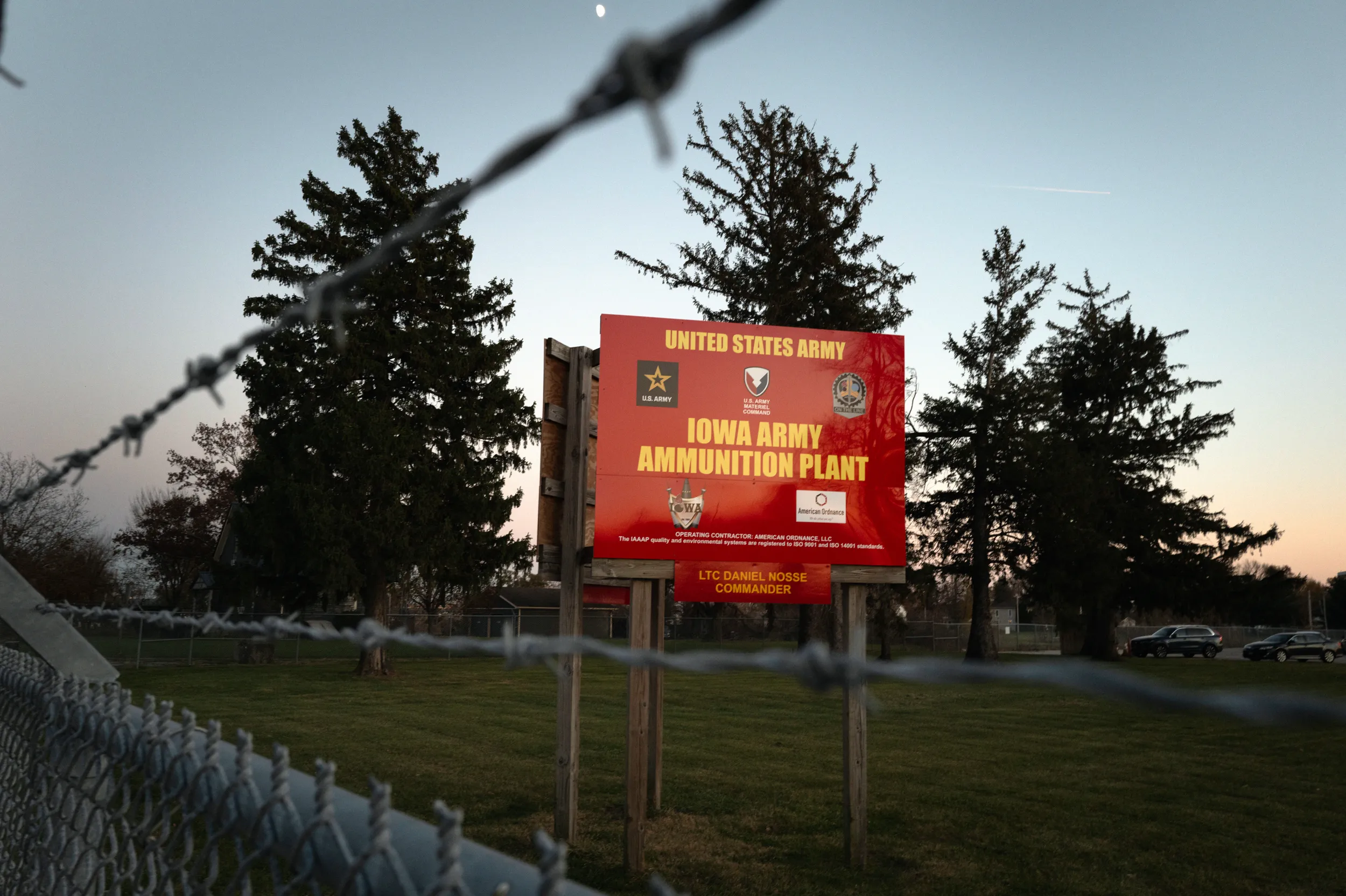
The U.S. Army is moving forward with plans to detonate roughly 9,500 pounds of lead azide stored at an ammunition plant in Iowa, drawing sharp pushback from community leaders who argue federal authorities failed to consult them. Municipal and regional officials stated they were largely left uninformed about the high-stakes disposal operation until details surfaced in a public press release. The sudden disclosure has triggered widespread concern across nearby communities regarding transparency, protocol, and potential environmental exposure.
Lead azide is an inorganic chemical compound widely utilized as a primary explosive in military detonators and munitions priming compositions. Because the material is exceptionally sensitive to shock, friction, heat, and static electricity, large stockpiles demand rigorous storage and handling procedures. Military officials have maintained that conducting a controlled explosion at the Iowa installation represents the most viable method to eliminate the deteriorating or surplus chemical safely.
Local representatives, however, have voiced deep frustration over the way the operation was communicated to the surrounding public. Rather than engaging in prior intergovernmental briefings or coordinated emergency planning, federal decision-makers reportedly relied on broad public announcements to broadcast the plan. Community stakeholders argue that springing such a sensitive hazardous waste disposal plan without prior dialogue undermines regional trust and strains emergency response readiness.
The prospect of destroying nearly five tons of lead-based energetic material in the open air has heightened scrutiny over toxic contamination. When lead compounds are detonated, heavy metal particles and chemical residues can disperse into the atmosphere, settling onto surrounding soil, waterways, and populated areas. Public health advocates consistently warn that exposure to airborne lead poses severe cardiovascular, neurological, and developmental risks, with no established safe blood level for children.
Open burning and open detonation have historically served as conventional military techniques for neutralizing obsolete ordnance and volatile explosive components. In recent years, however, state regulators, environmental organizations, and civic leaders across the country have pushed the Department of Defense to adopt cleaner, contained treatment technologies. Closed detonation chambers and advanced thermal treatment units are designed to trap hazardous particulates and toxic fumes before they can escape into ambient air.
For communities surrounding the Iowa facility, the disclosure emphasizes long-standing vulnerabilities associated with hosting major federal munitions infrastructure. Industrial and military chemical storage sites carry inherent risks, yet local leaders emphasize that transparency is indispensable when managing volatile compounds. The perception that federal agencies operated behind closed doors has magnified local anxieties about whether adequate environmental safeguards and perimeter monitoring protocols are actually in place.
Municipal authorities also face practical dilemmas regarding public safety and local resource allocation when federal installations initiate major hazardous operations. Without granular timelines, dispersion modeling, and joint safety drills, neighboring jurisdictions are left guessing how to advise residents or position emergency personnel. Civic officials argue that federal installations must treat municipal counterparts as essential operating partners rather than passive observers.
As debate over the pending detonation intensifies, community leaders and regional observers are demanding greater accountability from federal authorities before any blast occurs. Calls are growing for comprehensive atmospheric monitoring, third-party oversight, and a transparent evaluation of contained disposal alternatives. For now, the episode highlights the delicate friction between national defense disposal mandates and the public health prerogatives of local communities living in the shadow of military arsenals.
Primary source: Wired. Newzly rewrites and structures source reporting for clarity; verify critical details at the original.