U.S. Court Clears Military to Proceed with Ammunition Detonation in Iowa
A federal appeals court has cleared the U.S. Army to proceed with a controlled detonation of unstable ammunition in Iowa, rejecting environmental challenges over toxic lead risks.
In this piece
A federal appeals court has lifted a temporary hold on the U.S. Army's planned controlled detonation of degraded lead azide at an Iowa munitions facility.…
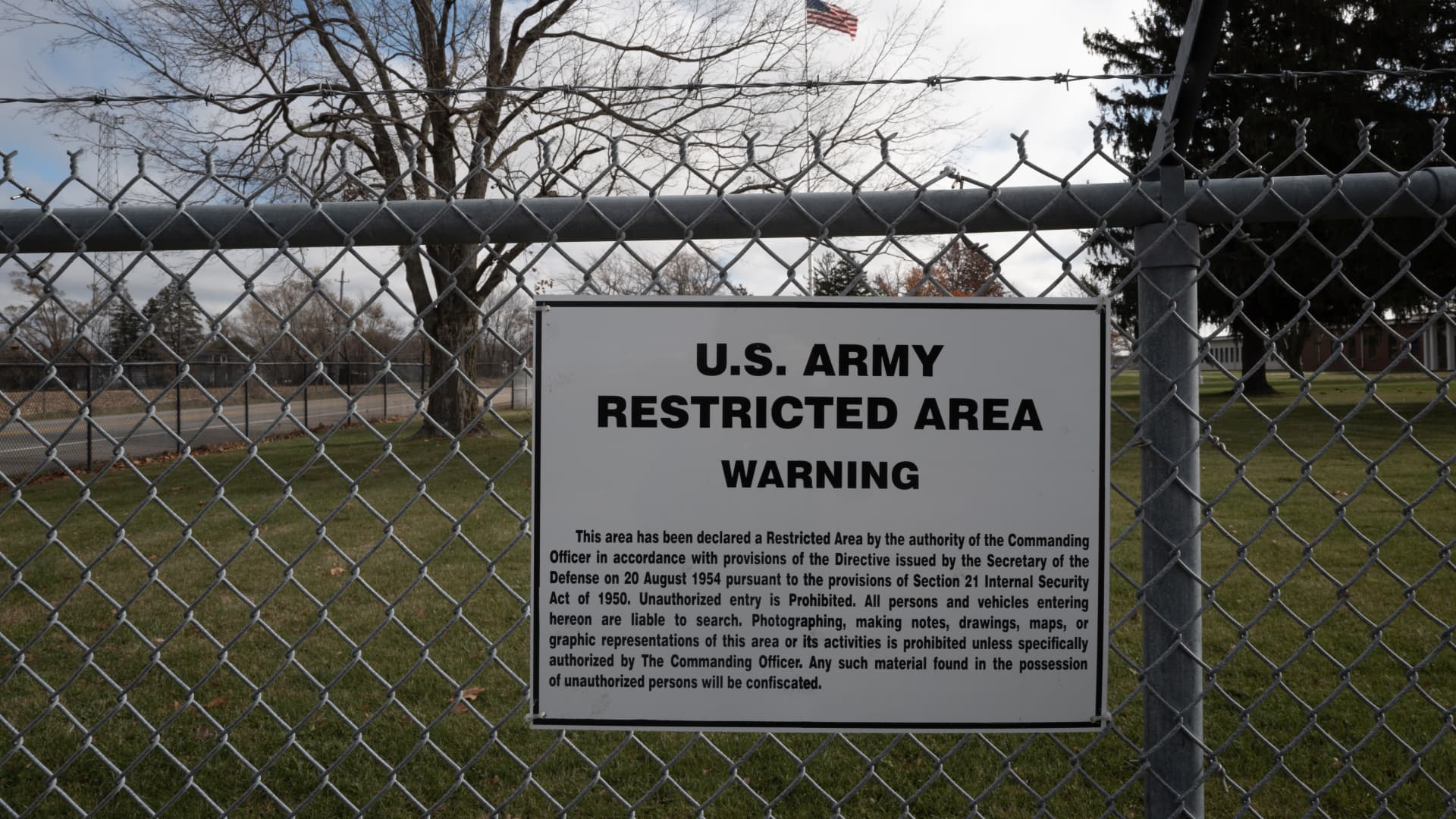
A federal appeals court has cleared the U.S. Army to move forward with a planned controlled detonation of degraded explosives at a military facility in southeastern Iowa, denying an emergency push by environmentalists and residents to block the blast. The 8th U.S. Circuit Court of Appeals dissolved a temporary stay on the operation, rejecting arguments that the immediate environmental risks outweighed safety concerns over deteriorating ammunition.
The ruling permits the military to detonate roughly five tons of stored lead azide at the Iowa Army Ammunition Plant in Middletown. Military officials had sought emergency clearance after safety inspections revealed that dozens of drums containing the chemical had begun crystallizing, rendering the compounds hypersensitive to friction, heat, and movement.
The Department of the Army and defense contractors warned that the munitions posed an imminent threat of spontaneous combustion or accidental detonation if left untouched. Officials maintained that a controlled, open-air detonation conducted under strict protocols represents the safest available option to neutralize the volatile stockpile before weather conditions deteriorate further.
The U.S. Environmental Protection Agency previously granted an emergency disposal permit under federal hazardous waste laws, authorizing the outdoor destruction. The permit mandated specific meteorological safeguards, stipulating that the detonation can only occur under precise wind conditions and atmospheric thresholds designed to minimize air pollution and contain dispersing particulates.
Local residents, agricultural producers, and environmental advocacy groups challenged the EPA permit in court, seeking a preliminary injunction to halt the operation. Challengers warned that detonating thousands of pounds of lead azide in an open setting would unleash a hazardous plume of toxic lead dust across nearby communities and farmland.
Community advocates pointed out that lead is a potent neurotoxin that presents severe health hazards, especially to young children and pregnant women. Farmers in surrounding Des Moines County expressed concern that airborne lead particulates could settle onto soil, contaminate grazing livestock, and jeopardize row crops and regional waterways.
In lifting the injunction, the appellate panel concluded that the military had demonstrated an urgent safety hazard that necessitated immediate intervention. The judges determined that the comprehensive monitoring protocols and environmental safeguards required by the EPA provided adequate mitigation to protect public health while eliminating the threat of a catastrophic, uncontrolled blast.
The controversy has also drawn heightened political attention across state and federal channels, with regional leaders demanding transparent testing and continuous air monitoring throughout the disposal process. Community organizers argued that alternative containment technologies, such as closed detonation chambers, should have been deployed to trap dangerous pollutants on-site.
The legal battle highlights the broader challenges federal authorities confront when decommissioning aging military munitions stockpiles dating back decades. Munitions depots across the country store substantial quantities of volatile chemicals, creating recurring dilemmas between immediate public safety and long-term environmental protection.
Following the appellate court's directive, plant operators and military personnel are preparing to execute the controlled detonation as soon as local atmospheric conditions align with federal standards. Monitoring stations stationed around the perimeter will track air quality metrics and lead dispersion levels as the remediation process concludes.
Primary source: Google News Iowa. Newzly rewrites and structures source reporting for clarity; verify critical details at the original.