UK borrowing costs fall as budget reassures markets
UK government borrowing costs eased after the budget, while Whitbread welcomed business rates measures and the Institute for Fiscal Studies questioned the package’s tax changes and longer-term borrowing outlook.
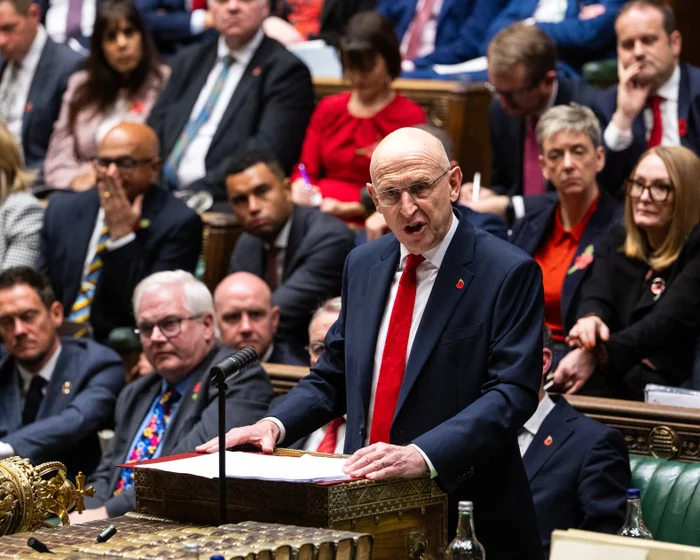
UK government borrowing costs fell after Wednesday’s budget, with financial markets offering a relatively calm initial response to the government’s tax and spending package, according to the Guardian’s business coverage. The reaction contrasted with concerns over the longer-term borrowing outlook raised by the Institute for Fiscal Studies.
Whitbread welcomed the budget’s business rates measures, saying they would help mitigate damage that the previous two budgets had inflicted on hospitality. Its response highlighted a distinction between the immediate relief offered to businesses and the broader questions surrounding the public finances.
The IFS said the package largely matched expectations rather than marking a major departure in fiscal policy. Director Helen Miller described a relatively modest cost-of-living intervention accompanied by a limited set of tax increases, with borrowing higher across the remainder of the decade.
Miller also pointed to indications that more substantial decisions could follow, including through a 10-year plan. Her assessment suggested the budget should be viewed as one stage in the government’s fiscal programme, rather than a complete account of how its longer-term ambitions would be financed.
The number of individual announcements nevertheless surprised the institute. Miller counted 98 measures on the budget scorecard, distinguishing between practical adjustments intended to improve everyday outcomes and changes she regarded as unnecessary complications to the tax system.
Those assessments show why a reassuring market response does not settle the wider debate over the package. Falling borrowing costs and a welcome from a hospitality business concern different aspects of the budget from the IFS’s questions about tax design and the trajectory of borrowing.
Separately, the Guardian’s live coverage carried analysis of European Central Bank leadership and financial risks surrounding France. The commentary said an early departure by Christine Lagarde would not, in that assessment, alter the outlook for ECB policy or its approach to French risks.
Klaas Knot of the Netherlands and Spain’s Pablo Hernandez de Cos were identified in the commentary as leading contenders to succeed her. Alongside monetary policy expertise and regional balance, the analysis argued that experience in handling financial turbulence could influence the choice, highlighting Knot’s previous leadership of the Financial Stability Board.
The same commentary linked the succession timetable to political uncertainty before France’s 2027 presidential election. It said France was not yet close to a full-scale crisis, while discussing potential ECB tools for preventing disruption in funding markets or limiting contagion to other countries.
For the UK, attention now turns to whether the initial market reassurance is sustained and how the budget’s measures translate into business conditions. The IFS assessment leaves the longer-term borrowing path—and the further decisions signalled through the 10-year plan—as central questions beyond the immediate reaction.
Primary source: The Guardian Business. Newzly rewrites and structures source reporting for clarity; verify critical details at the original.