Lloyds finance chief challenges link between bank taxes and energy support
William Chalmers criticised the government’s decision to connect higher bank taxes with household energy support, warning that extending the measure beyond March 2028 could undermine conditions for lending and investment.
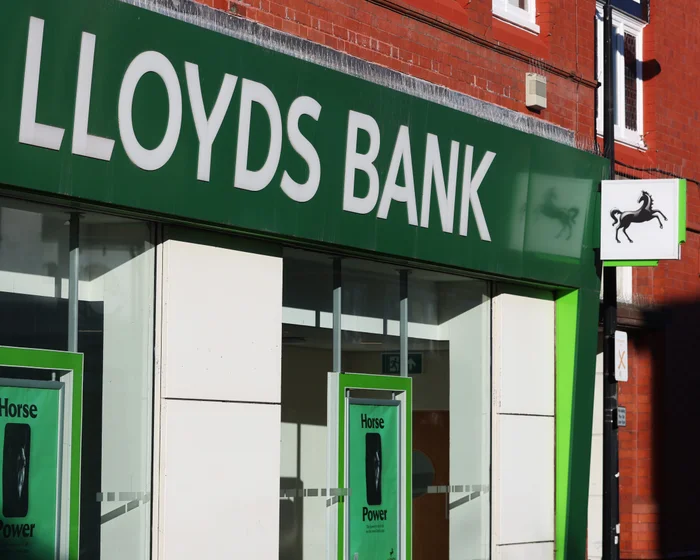
Lloyds Banking Group’s chief financial officer, William Chalmers, has criticised the government’s decision to link higher taxes on banks to support for household energy bills. He urged the government not to extend the increased levy beyond March 2028, arguing that the sector’s ability to finance economic growth should remain a priority.
According to the Guardian, Chalmers acknowledged difficult economic conditions but questioned whether banks should bear additional costs tied to energy assistance. His intervention focused on both the rationale for the increase and the importance of maintaining a clear endpoint for the measure.
The Guardian reported that the budget would raise the bank surcharge from 3% to 6% for 15 months. The dispute therefore concerns a temporary increase, with Chalmers seeking assurance that the higher burden will not become a longer-lasting feature of the banking sector’s tax treatment.
Chalmers’s central argument was that banks provide loans that can help businesses and households contribute to UK growth. He presented that lending role as a reason for caution over additional taxation, rather than disputing the existence of economic pressures facing households.
The distinction matters because the debate brings together two different policy objectives: providing support with energy costs and preserving conditions for economic investment. Linking the two through a bank levy makes the financial sector part of the funding response, while raising questions about how long that contribution should last.
For Lloyds, the stated expiry date is consequently an important part of the measure, not simply an administrative detail. Chalmers’s warning reflects concern about an extension beyond the announced period; it does not establish that the government has decided to pursue one. The supplied report describes his call for restraint, rather than a confirmed change to the timetable.
His comments also frame the disagreement around the wider economy rather than the tax bill alone. In that framing, the relevant question is whether raising revenue from lenders could work against the growth that their financing is intended to support. That remains the bank executive’s argument, not evidence in the supplied material of a measured reduction in lending.
The report does not establish how the increase would affect individual borrowers, lending decisions or the availability of credit. Nor does Chalmers’s criticism by itself demonstrate that household energy support and a competitive banking sector cannot coexist. Those distinctions are important when assessing the consequences of the budget measure.
Attention now centres on whether the government maintains the March 2028 endpoint. Chalmers’s position is that the increase should remain temporary, leaving banks with greater certainty over the conditions in which they provide finance. Any subsequent decision to extend the levy would reopen the disagreement over its purpose and duration.
Primary source: The Guardian Business. Newzly rewrites and structures source reporting for clarity; verify critical details at the original.