UK inflation rises to 3.6% as fuel prices increase
UK inflation edged higher in October as petrol prices rose and diesel reached a record high, adding to household pressure amid the Middle East war’s impact on oil costs.
In this piece
UK consumer price inflation rose to 3.6% in October from 3.5% in September, matching City economists’ forecasts, according to figures reported by The Guardian.…
UK inflation rose to 3.6% in October as higher petrol prices and record diesel costs added to pressure on household budgets, according to Office for National Statistics figures reported by The Guardian. The increase came amid the fallout from the war in the Middle East, which has pushed up oil costs and unsettled the global economy.
The headline consumer prices index inflation rate increased from 3.5% in September. October’s reading was in line with City economists’ forecasts, meaning the rise matched expectations even as it marked a further increase in the annual pace of consumer price growth.
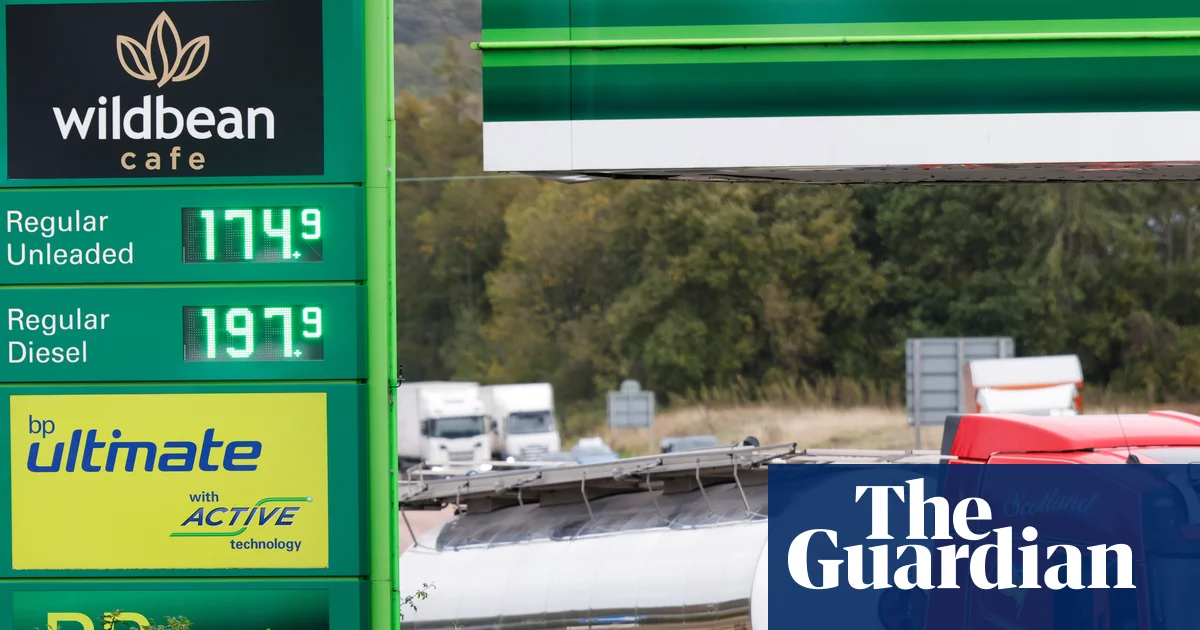
The fuel-price developments were distinct: petrol became more expensive, while diesel reached a record high, according to the report. Both added to the costs facing motorists, bringing the effects of the conflict in energy-producing regions into everyday spending on journeys and transport.
The latest figures measure the rate at which consumer prices are rising, rather than the overall level of prices alone. An increase from 3.5% to 3.6% means annual price growth accelerated slightly; it does not mean that all goods and services became more expensive at the same rate.
For households, the significance lies in the additional strain on budgets already exposed to changing energy costs. Spending more on fuel can leave less money available for other purchases, although the impact will differ depending on how much a household drives and its wider financial circumstances.
The Guardian linked the increase to the Iran war’s effect on oil prices, placing the domestic inflation figures within a broader international energy shock. Oil costs are an important influence on road-fuel prices, though the supplied report does not quantify how much each fuel contributed to the overall inflation rate.
A separate Guardian report highlighted alongside the inflation coverage forecast that energy bills in Great Britain would rise by 26% to £2,166 from January. That figure is a forecast about a forthcoming change, rather than a bill increase already reflected in October’s reported inflation reading.
Together, the reports point to pressure from both road fuel and household energy, but they describe different periods and measures. The October inflation figure records an observed change in consumer prices, while the January energy-bill projection signals a possible further challenge for household finances.
The outlook remains tied to how energy prices develop as the conflict continues to affect oil markets. The next inflation releases will show whether October’s acceleration persists, while the separate energy-bill forecast puts the potential January increase in focus for households planning their spending.
Primary source: The Guardian Business. Newzly rewrites and structures source reporting for clarity; verify critical details at the original.