UK Shop Price Inflation Hits Highest Level Since Early 2024 as Retailers Reach Breaking Point
British Retail Consortium data shows shop price inflation jumped to 2.1% in October — the fastest pace since February 2024 — as retailers warn they can no longer shield consumers from surging costs.
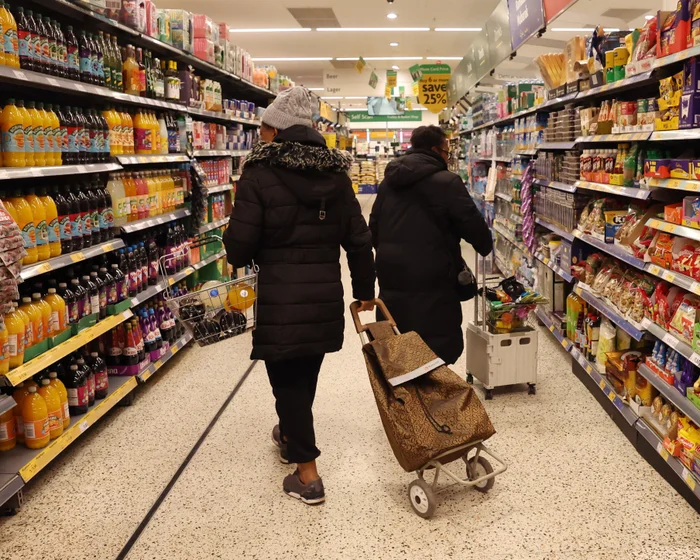
UK shop price inflation surged to 2.1% year on year in October 2026, the fastest pace since February 2024, according to data published by the British Retail Consortium. The reading marks a sharp acceleration from 1.4% in September and came in well above the three-month average of 1.6%, signalling that retailers are increasingly unable to shield consumers from a prolonged wave of rising costs.
The BRC, which collects prices across major retail categories in the first week of each month, attributed the jump to sustained pressure on energy bills, transport expenses, packaging levies, and employment costs. Retailers had absorbed much of that burden for roughly two years, but the lobby group said that capacity is now exhausted.
"The dam is starting to break on the huge wave of costs retailers have absorbed over the last two years," said BRC chief executive Helen Dickinson. She called on Finance Minister John Healey to use his October 28 Budget to ease the burden on the sector by reducing property taxes and lowering employment costs.
Food inflation was a particular flashpoint, rising to 2.9% in October — the highest level since April — from 2.5% the month before. Ambient food prices climbed 3.2%, the steepest reading since September 2025, while fresh food inflation held steady at 2.6%. The BRC linked the acceleration partly to higher ingredient and energy costs that have built since the resumption of Middle East conflict disrupted global supply chains.
Non-food categories posted an even sharper reversal, with inflation more than doubling from 0.8% in September to 1.7% in October. Furniture, flooring, and home-improvement products were among the items seeing notable price increases, reflecting higher import and logistics costs that had previously been absorbed through tighter retailer margins.
The figures arrive against a broader inflationary backdrop that has remained stubborn. Official consumer price inflation stood at 3.5% in September, well above the Bank of England's 2% target, and Governor Andrew Bailey has signalled that the path back to target depends heavily on whether services and goods inflation continue to cool. October's BRC data suggests goods disinflation may be going into reverse.
For households, the acceleration will compound an already difficult cost-of-living environment. Consumer sentiment in the UK has remained fragile through 2026, with shoppers prioritising value and trading down across multiple categories. Sustained shop price rises could erode any spending recovery that retailers were counting on heading into the critical Christmas trading period.
The BRC data is an early-month snapshot rather than an economy-wide measure, and the figures may not be fully replicated in the Office for National Statistics' broader CPI release. Nevertheless, economists regard the BRC index as a useful leading indicator for goods inflation, and October's reading is likely to attract close scrutiny from the Bank of England's Monetary Policy Committee as it weighs future rate decisions.
Retailers are watching the Budget closely for any relief on business rates, which the BRC argues disproportionately disadvantages physical stores against online competitors. Without policy action, the lobby group warned, further price rises are likely as the industry enters the cost-intensive winter months.
How long the current inflation uptick persists will depend in large part on the trajectory of energy prices, any further supply-chain disruption from geopolitical events, and whether the government moves to ease the cost burden on retailers. For now, industry data suggests that the period of retailers quietly absorbing cost pressures on behalf of consumers may be drawing to a close.
Primary source: The Guardian Business. Newzly rewrites and structures source reporting for clarity; verify critical details at the original.