UK to Pay Participation Fees to Secure EU Agreements, Legal Texts Reveal
Newly published legal documents reveal the United Kingdom will pay an ongoing operational contribution and a dedicated participation fee to access European Union programs and streamline post-Brexit trade arrangements.
In this piece
Newly disclosed legal texts reveal the United Kingdom will pay an operational contribution and a participation fee to maintain post-Brexit agreements with the…
The United Kingdom will pay ongoing operational contributions and a separate participation fee to support newly struck post-Brexit arrangements with the European Union, according to newly published legal texts. The disclosed treaty documents outline the specific financial calculations required for British access to shared administrative systems and cooperative frameworks.
Under the agreed terms, the UK is set to pay a participation surcharge calculated at four percent of its underlying operational contribution toward specified EU agencies and databases. Independent analysts estimate the additional mechanism could amount to roughly £250 million annually on top of routine baseline payments.
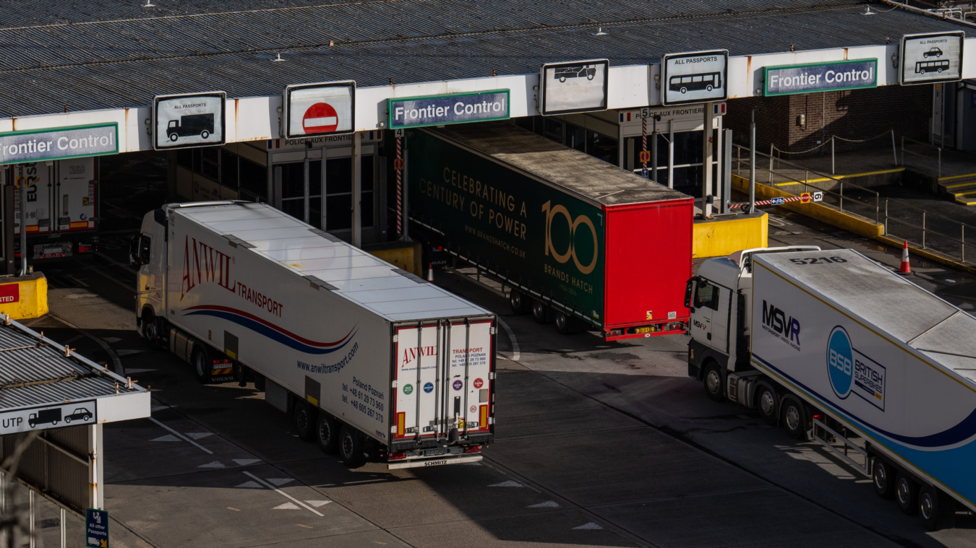
The financial commitments accompany bilateral pacts designed to ease friction across key commercial channels, most notably in food, drink, and agricultural trade. The agreements seek to eliminate or significantly reduce routine veterinary and sanitary border inspections that have weighed on cross-border logistics since the UK exited the single market.
Beyond agrifood commerce, the legal frameworks also extend to cooperation around emissions trading schemes and associated technical bodies. The documentation specifies that UK funding will help offset the operational and staff expenses Brussels incurs to run the regulatory and digital machinery supporting these shared arrangements.
A notable clause embedded within the agricultural export treaty establishes a ten-year duration with strict reciprocal exit safeguards. Should either London or Brussels terminate the pact before the decade concludes, the withdrawing party must reimburse the other for reasonable and proportionate expenses incurred to rebuild dismantled border control posts and retrain customs staff.
Diplomats in Brussels have described the financial structure as a pragmatic standard for third-country participation, framing it as an equitable payment for accessing common services without full membership privileges. For the British government, the negotiated fee model represents a compromise aimed at securing tangible economic relief without reopening broader disputes over constitutional sovereignty.
UK government ministers have defended the expenditure, arguing that reduced red tape and fewer border delays will deliver substantial savings for British farmers, food manufacturers, and logistics firms. Industry groups have long warned that post-Brexit sanitary certifications created administrative overhead that disproportionately hurt small and medium-sized exporters.
Domestically, the disclosures have ignited fresh scrutiny from opposition politicians and Brexit commentators. Critics, including Reform UK leader Nigel Farage, have condemned the recurring fees as an unnecessary transfer of public money back to Brussels, while proponents maintain the regulatory predictability far outweighs the fiscal cost.
The bilateral treaties will now move through their formal ratification and operational rollout schedules across Westminster and EU institutions. Both sides are expected to establish joint implementation committees in the coming months to monitor fee calculations, verify compliance, and oversee initial reductions in physical border interventions.
Primary source: BBC Business. Newzly rewrites and structures source reporting for clarity; verify critical details at the original.