UK weighs incentives for electric cars that feed power back to grid
Ministers are considering incentives for carmakers to fit vehicle-to-grid technology, linking a review of electric vehicle sales rules with efforts to make Britain’s electricity system more flexible.
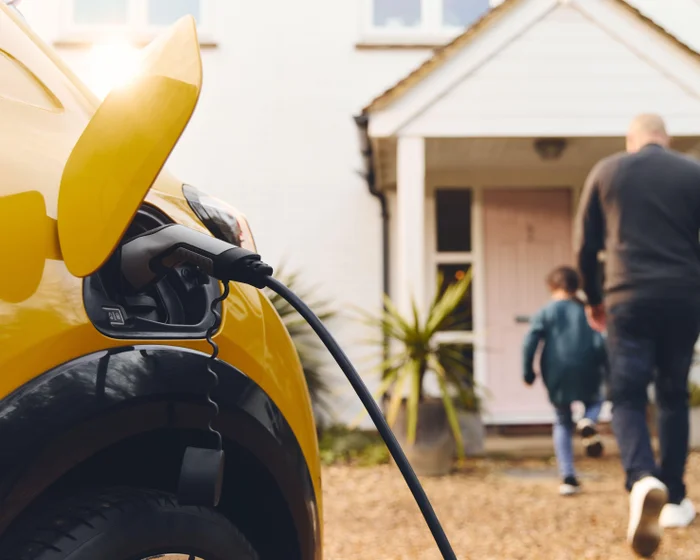
UK ministers are considering incentives for manufacturers to equip electric cars with technology that allows them to return electricity to the grid, according to the Guardian. The proposal is being examined through a review of the zero-emission vehicle mandate, rather than presented as an approved support scheme.
Vehicle-to-grid, or V2G, technology allows drivers to charge their batteries automatically when electricity is cheaper and sell some of that stored energy back during periods of high demand. It would give participating vehicles a second role as electricity storage, alongside their primary use for transport.
The policy discussion connects two government priorities: supporting the automotive industry’s transition to electric vehicles and developing a more flexible electricity system. For manufacturers, an incentive could strengthen the case for adding the capability to their cars. For drivers, its attraction would depend on whether participation delivers practical financial benefits.
The Department for Transport launched the mandate review on 14 August 2026, as part of a commitment to review the rules by early 2027. Its consultation covers annual sales targets, existing compliance flexibilities, alternative policy approaches and potential technical changes. The department says evidence gathered could inform amendments to the regulations.
The government’s Clean Flexibility Roadmap separately identifies bidirectional charging as a technology it wants to encourage. That document explicitly raises the possibility of innovative credit models within the vehicle mandate as a way to incentivise compatible vehicles. It provides an official policy basis for exploring support, without establishing the final design of an incentive.
The energy rationale is that electricity demand and renewable generation do not always coincide. In its roadmap, the government describes a need for technologies and services that can accommodate changing output from wind and solar. Batteries and more responsive electricity use form part of that wider approach to balancing supply and demand.
For motorists, however, having the capability installed would not by itself establish how much money they could earn. Charging when electricity is cheaper and exporting at more valuable times creates an opportunity, but the proposal described in the supplied report does not set out a guaranteed payment or saving for individual drivers.
The roadmap also acknowledges significant obstacles to wider adoption of bidirectional charging, including high costs, slow uptake and regulatory barriers to exporting electricity. Those challenges distinguish encouraging manufacturers to install the technology from ensuring that consumers can readily use it. Equipment incentives would therefore address only part of the deployment problem.
The mandate review has a broader remit than charging technology alone. Its stated purpose is to support consumers and industry while maintaining the transition to zero-emission vehicles and wider decarbonisation objectives. Any V2G incentive would sit within that larger assessment of how manufacturers meet their obligations.
The next question is whether ministers translate the idea into a defined policy through the review. The consultation says its evidence may inform future regulatory amendments, while the flexibility roadmap sets out the government’s interest in encouraging the technology. Neither establishes that the proposed manufacturer incentive has already been adopted.
Primary source: The Guardian Business. Newzly rewrites and structures source reporting for clarity; verify critical details at the original.