UK Will Have 'Voice' but No Vote on EU Food Rules in Brexit Reset
UK EU Minister Hamish Falconer said Britain would gain a voice to help shape European food regulations under a proposed post-Brexit trade reset, though London will hold no formal voting power.
In this piece
The UK would participate in talks on European Union food rules without holding a formal vote under a planned post-Brexit veterinary agreement, EU Minister…
Britain would secure an advisory voice but hold no formal voting rights over European Union food and agricultural standards under a proposed post-Brexit reset agreement, UK Minister for EU Relations Hamish Falconer said. Speaking in an interview with the BBC, Falconer insisted the arrangement would still grant British negotiators meaningful influence in shaping policies that affect cross-border trade.
The minister defended the government's approach as a pragmatic compromise to ease lingering friction between the United Kingdom and its largest trading partner. He stressed that participating directly in technical discussions would prevent London from being blindsided by new European sanitary regulations.
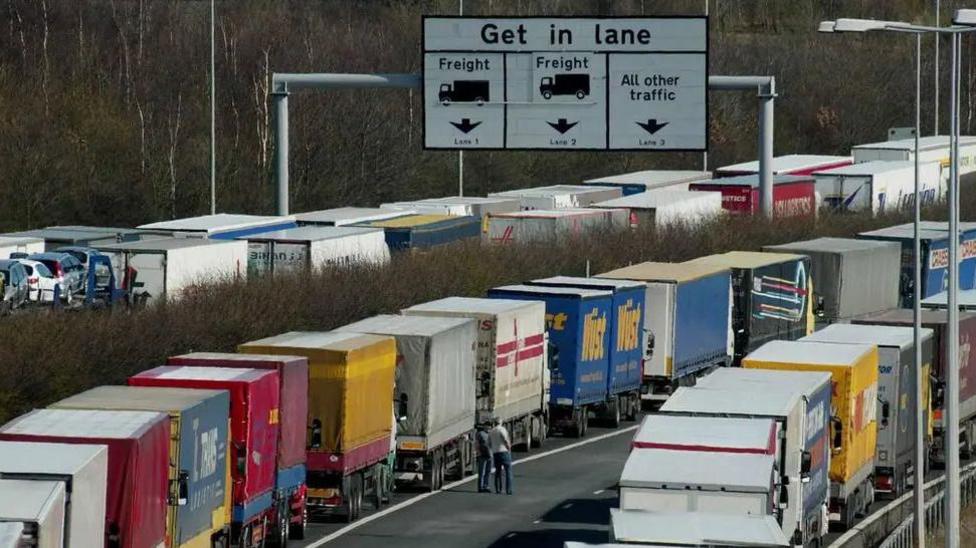
The discussions center on a prospective sanitary and phytosanitary agreement designed to slash administrative hurdles on food and livestock moving across the English Channel. Since leaving the European single market, British food producers and hauliers have struggled with burdensome documentation, including mandatory veterinary health certificates and physical inspections.
Under the proposed terms, streamlined food rules would lower compliance costs for food importers and potentially bring down shelf prices for everyday grocery shoppers. The framework is also intended to dismantle physical border inspection infrastructure and eventually phase out cumbersome retail packaging labels intended to segregate goods.
Resolving food compliance issues also remains critical to stabilizing trade between Great Britain and Northern Ireland under ongoing post-Brexit settlement arrangements. Cross-border friction within the UK domestic market has long fueled political tension in Belfast and created headaches for major supermarket logistics chains.
The prospect of dynamic alignment with European rules has nonetheless reignited fierce domestic debate in Westminster. Conservative and Reform UK critics warned that accepting Brussels-dictated mandates without a formal vote relegates Britain to a subservient status that undermines national sovereignty.
Domestic farming representatives have also expressed wariness about adopting regulations without guaranteed democratic oversight. While agricultural exporters welcome the prospect of fewer border hold-ups, industry bodies caution that domestic growers must not be disadvantaged if European standards diverge or favor continental producers.
Negotiators in Brussels have approached the discussions cautiously, seeking assurances that any bilateral framework will remain stable across future electoral cycles. European officials reportedly favor clear exit and review mechanisms that would allow either party to unwind the arrangement if regulatory divergence becomes untenable.
Formal negotiations between London and European Union counterparts are expected to test the Labour government's broader ambition to rebuild economic ties without rejoining the single market or customs union. Falconer maintained that practical engagement offers tangible economic dividends, though securing a comprehensive pact will require navigating intense political scrutiny on both sides of the Channel.
Primary source: BBC Business. Newzly rewrites and structures source reporting for clarity; verify critical details at the original.