Ukraine says Russian strikes hindered rescue after attack that killed 72
Ukrainian officials say a strike in southern Ukraine that killed 72 people was followed by further attacks that slowed efforts to recover the dead. Kyiv describes the sequence as a double-tap.
In this piece
Ukraine accuses Russia of striking an area in the south where rescuers were trying to recover bodies after an attack that killed 72 people. Officials say…
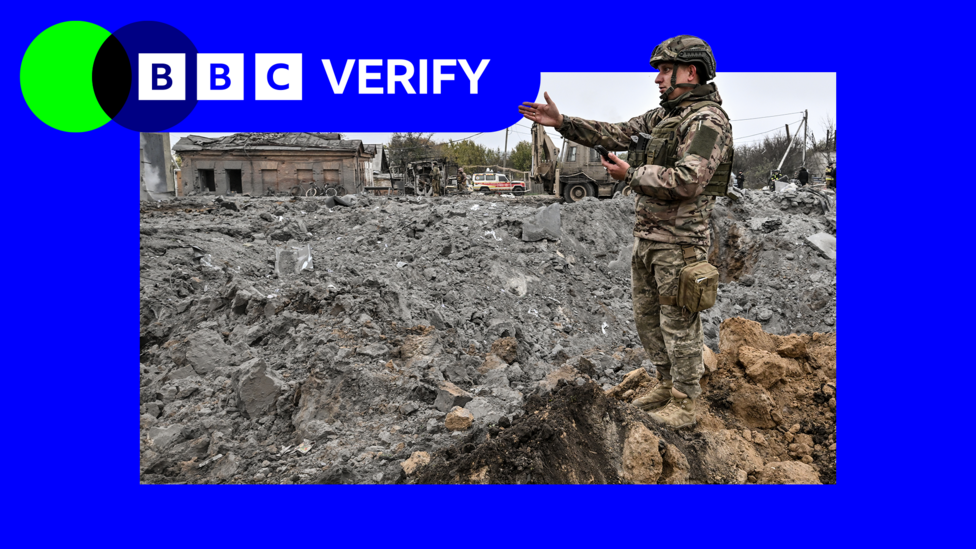
Ukraine has accused Russia of targeting a rescue operation in southern Ukraine after an attack that officials say killed 72 people. According to a BBC World report, efforts to recover bodies after what officials describe as a double-tap strike are being hampered by continuing Russian strikes.
The available account is short. It places the incident in southern Ukraine, gives the death toll as 72, and says officials are describing a follow-on attack that interfered with recovery work. It does not name the town, identify the officials, or describe the weapons used.
In conflict reporting, a double-tap generally means a second strike on or near the same site after an initial attack, often once emergency workers or civilians have gathered. Ukrainian officials are using that term for this sequence. The BBC report attributes the claim to those officials and does not independently detail how the strikes were timed.
The immediate consequence described is practical and grim. Teams trying to recover the dead have been slowed because strikes continued. In situations like this, responders often have to pause, move, or wait for a safer window before they can reach a site, which can delay both body recovery and any search for survivors.
The report does not say how many people were wounded, whether emergency workers were among the dead, or whether civilians or military personnel made up the toll of 72. Those distinctions matter for understanding the scale of the attack, and they are not established in the material at hand.
Kyiv’s accusation fits a wider pattern of wartime claims in which each side describes the other’s strikes as unlawful or indiscriminate. A double-tap allegation is especially serious because it concerns harm to people who come to help after a first blast. The BBC item presents the claim as Ukraine’s account, not as a finding by an outside investigator.
Russia’s response is not included in the report. Moscow has routinely denied deliberately targeting civilians and rescue workers in the war and has often described its strikes as aimed at military objectives. Without a statement tied to this incident in the source material, that general posture should not be treated as a reply to this specific accusation.
Independent confirmation is also absent from the brief. The location is given only as southern Ukraine. No satellite assessment, casualty list, or on-the-ground description beyond the officials’ account is provided. Further reporting would be needed to pin down where the strikes hit and who was killed.
The human stakes are still clear from what is known. Seventy-two deaths is a large toll for a single reported attack, and any delay in recovering bodies leaves families without confirmation and leaves local services working under fire. Continuing strikes, as officials describe them, turn the aftermath itself into a hazard.
What happens next depends on whether the site can be made safe enough for sustained recovery and on whether either side or outside monitors publish more precise details. As of the BBC report, the public record is limited to the death toll, the southern location, and Ukraine’s claim that further Russian strikes hindered the rescue operation.
Primary source: BBC World. Newzly rewrites and structures source reporting for clarity; verify critical details at the original.