Ukrainian Drones Strike Russian Naval Vessel at Libyan Port of Benghazi
Ukrainian forces launched a long-range maritime drone strike targeting Russian naval assets docked at the port of Benghazi in eastern Libya, significantly expanding Kyiv's reach far beyond Black Sea waters.
In this piece
Ukrainian maritime drones struck a Russian naval corvette docked at the eastern Libyan port of Benghazi, damaging the vessel and demonstrating Kyiv's expanding…
Ukrainian security and military forces carried out a sophisticated long-range drone operation against Russian naval vessels stationed at the port of Benghazi in eastern Libya, officials in Kyiv confirmed. The strike targeted Russian ships docked at the Mediterranean naval facility, marking an unprecedented extension of Ukraine's maritime campaign far outside its immediate borders. President Volodymyr Zelenskyy praised the mission as an exemplary feat of planning and execution by Ukrainian defense forces.
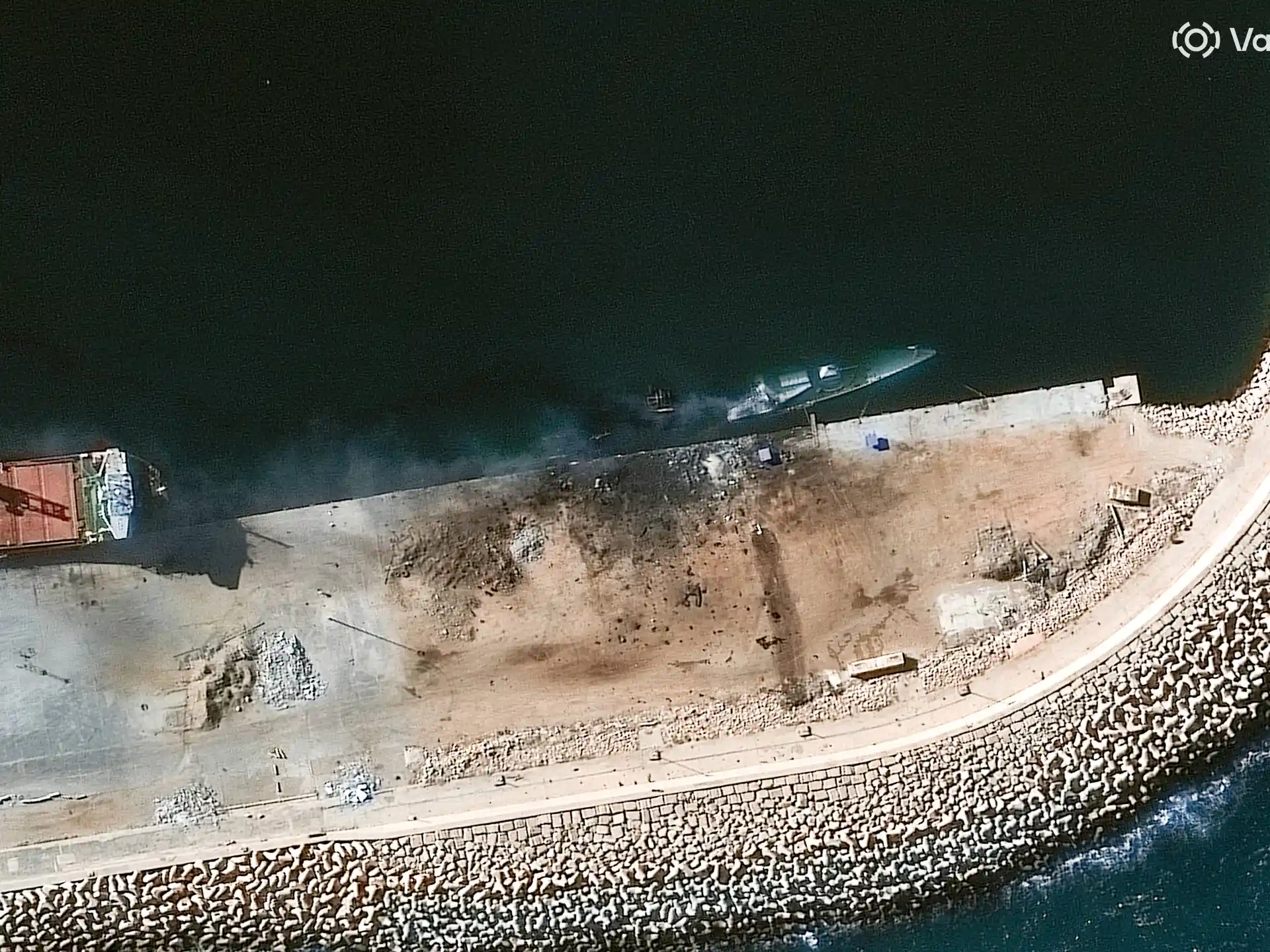
According to Ukrainian officials and visual evidence from the scene, Ukrainian uncrewed surface vessels navigated into the port before striking the Russian naval corvette Merkury. The vessel, one of the Russian Navy's newer combat corvettes equipped with advanced radar-suppression systems, sustained severe damage from multiple explosive impacts. Imagery obtained after the strike indicated that the ship caught fire and listed heavily alongside the dock.
In addition to the corvette, Ukrainian officials reported that the strike also targeted a Russian dry cargo vessel, the MV Angara, which has frequently been tracked transporting defense materiel. An onboard military helicopter was also reported destroyed during the coordinated assault inside the harbor. The simultaneous impacts triggered secondary explosions that sent plumes of smoke rising over Benghazi's waterfront commercial and naval installations.
The operation represents a significant logistical achievement for Ukraine's military intelligence and defense forces, located roughly 1,500 miles away from the Black Sea coastline. To conduct the strike, Kyiv utilized modified indigenous maritime drones capable of extended long-range transit across open Mediterranean waters. Defense analysts noted that bypassing regional maritime surveillance networks required precise navigation and clandestine operational coordination.
Russian naval units have maintained an increasing presence in eastern Libya under security arrangements with the eastern-based administration led by General Khalifa Haftar. The port of Benghazi has served as a key logistical nexus for Russian naval resupply and refueling operations connecting Mediterranean patrols with operations elsewhere in North and Central Africa. Western intelligence agencies have closely monitored the facility as Moscow sought to formalize permanent basing rights in the area.
The strike marks a major expansion in Ukraine's strategy of asymmetric warfare against Russian military assets worldwide. Kyiv had previously confined its maritime drone offensive largely to the Black Sea, where it successfully sank or forced the withdrawal of numerous Russian naval vessels from occupied Crimean ports. Extending drone operations into the central Mediterranean signals Kyiv's intent to deny Russian armed forces safe sanctuary anywhere within reach.
Moscow has offered limited public comment on the extent of the damage sustained at the naval facility, while pro-Russian military channels acknowledged an attack in Benghazi harbor. Libyan port authorities temporarily restricted vessel movements in the surrounding waters to assess safety and search for potential unexploded ordnance. International observers have warned that conducting operations in Libyan waters could complicate delicate regional dynamics among North African and European maritime stakeholders.
Naval analysts emphasize that the Benghazi operation will force maritime powers to rethink standard port security protocols and fleet distribution. Even well-defended harbors thousands of kilometers from active conflict zones are increasingly vulnerable to low-cost, expendable robotic strike craft. The successful strike illustrates that conventional naval surface superiority can be challenged far beyond traditional operational envelopes.
Looking ahead, Kyiv is expected to maintain pressure on Moscow's peripheral military networks, signaling to international partners that its domestic defense industry can project power at strategic distances. Diplomats and security officials in the Mediterranean basin are monitoring whether Russia will reinforce air defense and electronic countermeasures around its foreign naval hubs. For now, the Benghazi strike underscores that the geographic boundaries of the conflict continue to dissolve in unexpected directions.
Primary source: Google News U.S.. Newzly rewrites and structures source reporting for clarity; verify critical details at the original.