Why Bangladesh's Grameen Bank Has Become a Political Target
Bangladesh’s pioneering microfinance institution, Grameen Bank, has emerged as a central flashpoint in escalating political turmoil. Branches have faced targeted unrest and attacks linked to supporters of ousted former prime minister Sheikh Hasina.
In this piece
Grameen Bank has found itself at the center of violent political tensions in Bangladesh amid attacks by supporters of ousted Prime Minister Sheikh Hasina. The…
Grameen Bank, the internationally recognized microcredit lender founded in Bangladesh, has been thrust into the center of escalating political volatility following violent incidents attributed to supporters of ousted Prime Minister Sheikh Hasina. Reports indicate that facilities associated with the bank have faced disruptions and targeted unrest in recent weeks. The incidents reflect an expanding domestic crisis that has spilled over from street demonstrations into key financial and civic organizations.
The hostility directed at the institution is deeply entwined with the dramatic political shift that reshaped Bangladesh's governance earlier this year. Hasina stepped down and fled the country in August following weeks of massive student-led demonstrations against her administration. In the vacuum created by her departure, Nobel Peace Prize laureate Muhammad Yunus was tapped to lead a transitional interim administration tasked with stabilizing the nation and preparing for eventual democratic reforms.
Yunus established Grameen Bank in the late 1970s and won global acclaim, including the 2006 Nobel Peace Prize, for pioneering microcredit programs that lifted millions of impoverished rural women out of poverty. Although Yunus had long stepped away from day-to-day operations at the lender, his identity remains indelibly linked to the institution worldwide. For political partisans, attacks on the bank serve as a high-profile strike against the chief architect and public face of the current caretaker setup.
The friction between Hasina's ruling party, the Awami League, and Grameen Bank is not entirely novel. During her fifteen-year tenure, Hasina frequently criticized Yunus in public addresses and initiated multiple state investigations and legal challenges against him and affiliated organizations. Her administration forced Yunus out of the bank's managing director post in 2011, citing retirement age limits, while state regulators sought greater administrative oversight over Grameen’s governance structure.
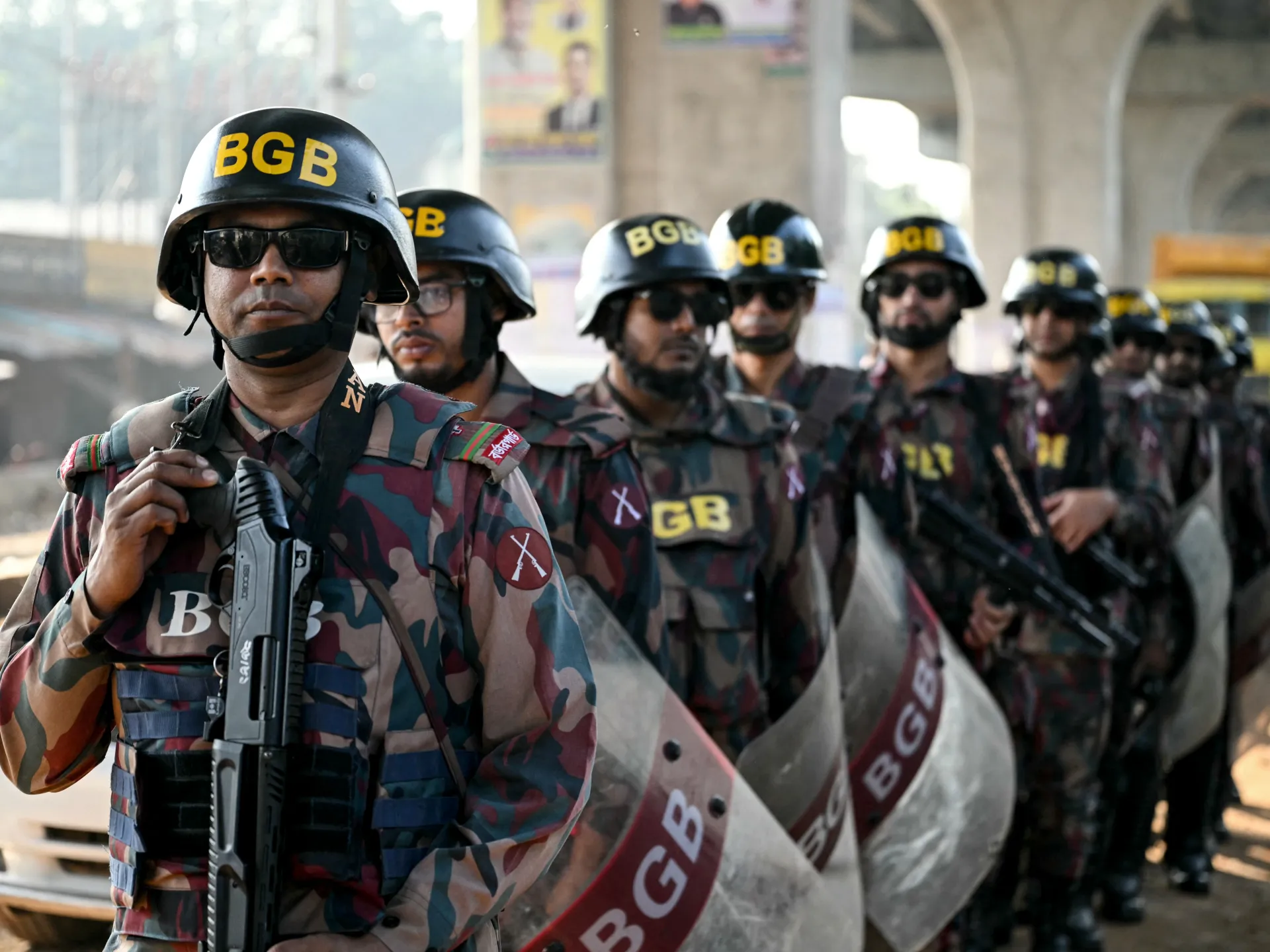
In the aftermath of the August uprising, loyalists of the former government have sought avenues to voice defiance against the interim authority and rival political factions. Clashes have broken out across several regions as Hasina loyalists, security personnel, and opposition or student groups encounter one another in contested public spaces. By targeting institutional symbols linked to the transitional leadership, political agitators have attempted to demonstrate continued operational capacity and register dissent against ongoing political prosecutions.
The targeting of Grameen Bank operations carries significant social and economic consequences for millions of ordinary citizens across Bangladesh. The bank provides essential lines of small-scale credit, savings programs, and grassroots financial services to rural communities that traditional commercial banks rarely reach. Localized disruptions, vandalism, or threats to branch operations risk halting loan disbursements and day-to-day transactions for female entrepreneurs and smallholder farming families who depend on uninterrupted banking access.
Law enforcement authorities have struggled to maintain order amid recurrent waves of clandestine vandalism, arson attempts, and localized protests in major districts. Interim officials have repeatedly warned against acts of sabotage aimed at disrupting critical infrastructure and financial institutions. However, restoring reliable security has proven complicated, as the national police force underwent substantial leadership overhauls and demoralization following the violent clashes that marked the final days of the previous regime.
International observers and development partners have voiced growing unease over the persistent instability affecting Bangladesh's institutions. The South Asian nation is navigating a delicate economic recovery complicated by persistent inflation, declining foreign exchange reserves, and systemic banking sector vulnerabilities inherited from the prior administration. Analysts caution that prolonged physical attacks on renowned non-governmental and microcredit networks could further erode donor and investor confidence at a precarious moment for the economy.
Moving forward, the safety of Grameen Bank and similar institutions will largely depend on the interim government's ability to enforce civil order while addressing underlying political divisions. Hasina's supporters remain aggrieved over court cases and arrest warrants issued against party leadership, ensuring tensions will remain elevated in the near term. As the transitional authority attempts to balance institutional security with national reconciliation, protecting fundamental civic entities from partisan reprisal remains an urgent priority for Bangladesh’s stability.
Primary source: Al Jazeera. Newzly rewrites and structures source reporting for clarity; verify critical details at the original.