UN Court Finds Myanmar Guilty of Genocide Against Rohingya
In a historic decision, the International Court of Justice has ruled that Myanmar committed genocide against the Rohingya minority, ordering the country to prosecute perpetrators and facilitate the safe return of hundreds of thousands of refugees.
In this piece
The International Court of Justice ruled that Myanmar's military committed genocide against the Rohingya Muslim minority during 2017 clearance operations in…
The International Court of Justice has found Myanmar responsible for committing genocide against its Rohingya minority, delivering a historic judgment in a case that has spanned years at the Peace Palace in The Hague. The United Nations' highest judicial body determined by a majority vote that Myanmar breached the 1948 Genocide Convention during brutal military crackdowns in Rakhine State. The decision represents the first time in the court's history that a sovereign nation has been held directly liable for state-sponsored genocide.
Presiding judges found that Myanmar security forces carried out widespread atrocities, including mass killings, systematic sexual violence, and the targeted destruction of villages, with genocidal intent. The court concluded that the military operations launched in 2017 were calculated to bring about the physical destruction of the Rohingya population in part. Judges highlighted that the systematic pattern of brutality demonstrated an unmistakable intent to purge the group from northern Rakhine.
The legal battle was initiated in late 2019 by The Gambia, a small West African Muslim-majority nation that acted with the backing of the Organisation of Islamic Cooperation. Invoking the universal obligations of the Genocide Convention, The Gambia argued that all signatory nations possess a shared legal interest in preventing and redressing genocide. That procedural breakthrough previously allowed the court to assert jurisdiction despite The Gambia having no direct geographical connection to Myanmar.
Beyond direct acts of genocide, the court found Myanmar guilty of failing in its legal obligations to prevent and punish atrocities committed on its territory. The judges noted that the state neglected to implement necessary domestic laws to deter genocidal acts and failed to hold military commanders accountable. The court also cited Myanmar for violating earlier provisional orders by failing to preserve vital evidence and records related to military operations.
As part of its binding judgment, the ICJ ordered Myanmar to immediately cease all unlawful acts and introduce robust legal frameworks aligned with international law. The court instructed authorities to investigate and prosecute civilian and military officials responsible for the 2017 campaign. In addition, the judges mandated comprehensive reparations, requiring Myanmar to facilitate the safe, dignified, and voluntary return of displaced Rohingya to their ancestral homeland.
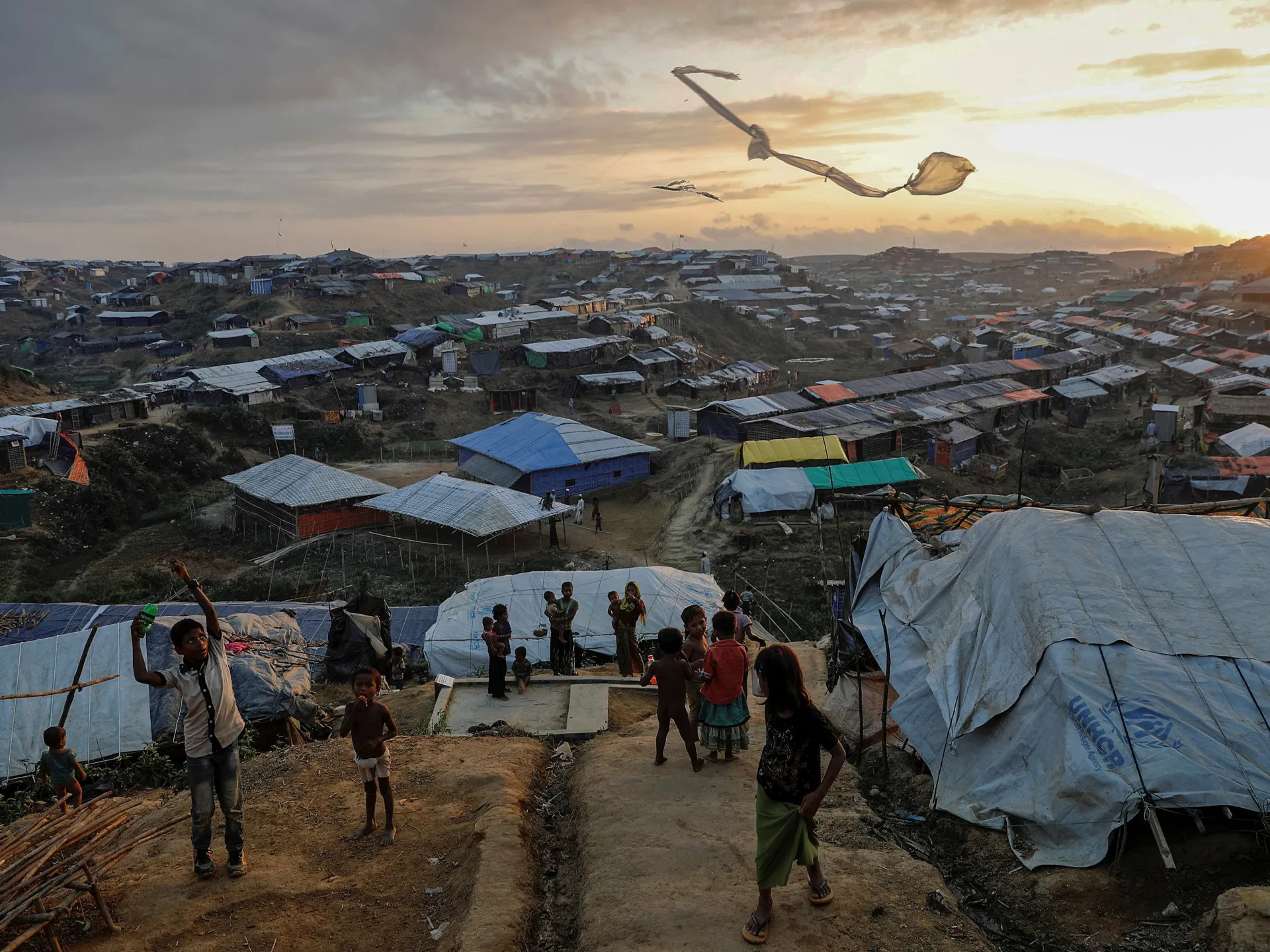
In overcrowded refugee settlements across southeastern Bangladesh, where nearly one million displaced Rohingya reside, the ruling triggered an outpouring of emotion and prayers of gratitude. Community elders and human rights advocates gathered in makeshift shelters, describing the verdict as long-awaited formal recognition of their profound suffering. For many refugees, the court's confirmation of genocide offered vital validation after years of living in exile and statelessness.
Myanmar has consistently denied allegations of genocide, previously insisting before the court that its forces were conducting legitimate counterinsurgency sweeps in response to militant attacks. The country's political landscape has grown significantly more complex since the 2021 military coup, with the ruling junta currently fighting multi-front battles against various ethnic armed groups across Rakhine and other regions. Myanmar officials have historically questioned the ICJ's authority and dismissed external legal proceedings as foreign interference.
Legal scholars and international human rights advocates have characterized the ruling as a watershed moment for international humanitarian law. By establishing state responsibility for genocide rather than solely prosecuting individual leaders, the judgment sets a critical precedent for ongoing and future disputes before the ICJ. Legal experts emphasize that the findings send a clear warning that governments cannot shield themselves from multilateral scrutiny behind claims of national sovereignty.
Despite the ruling's legal finality, enforcement remains a formidable challenge because the ICJ possesses no independent police power or military enforcement mechanisms to compel compliance. The court requires Myanmar to file periodic compliance reports, and any failure to fulfill the mandate could lead to formal diplomatic pressure or referrals to the United Nations Security Council. For displaced Rohingya communities, true justice now hinges on whether global powers can translate the landmark legal judgment into meaningful action on the ground.
Primary source: Google News India. Newzly rewrites and structures source reporting for clarity; verify critical details at the original.