Unsold luxury flats leave London developers facing a costly wait
High-end homes in some of London’s most prestigious neighbourhoods are standing empty as developers struggle to find buyers, exposing a gap between luxury supply and demand.
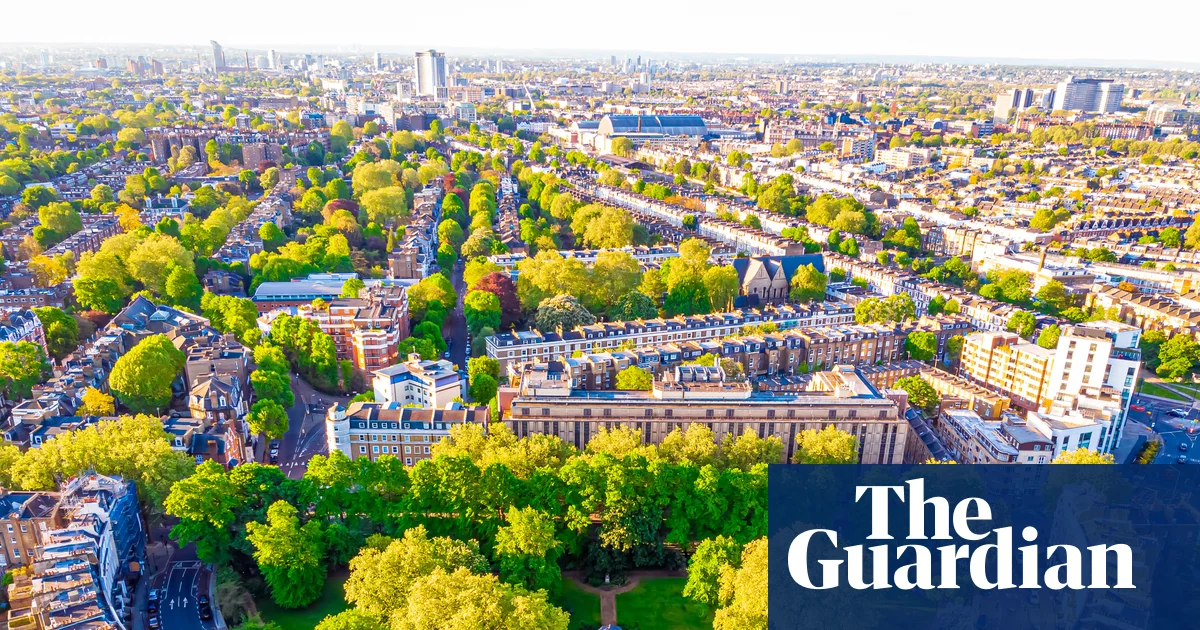
Luxury flats in some of London’s most expensive neighbourhoods are standing empty as developers struggle to secure wealthy buyers, The Guardian reports. The slowdown is leaving completed homes unsold in areas where prestigious addresses and elaborate amenities are central to the sales pitch.
The properties include modern apartment blocks in Chelsea, Kensington and Mayfair, with features such as marble entrance halls, concierge services and skyline views. Yet the availability of those homes is not translating readily into purchases. The report also identifies the West End and Marylebone as areas where homes are going unsold.
Molior figures cited by The Guardian put completed, unsold homes in central London at 1,400, three times the 2016 level. That stock illustrates the distinction between delivering a finished development and finding a customer prepared to buy it. For the businesses behind these projects, completion does not necessarily mark the end of their financial exposure.
The immediate commercial problem is the wait between offering a property for sale and securing a buyer. An empty apartment remains part of a developer’s unsold inventory rather than a completed transaction. Across a development, that gap can leave a business dependent on future purchases to turn its investment into sales proceeds.
The situation also highlights the limits of treating London’s housing market as a single market. These properties are being offered to a wealthy customer base, with location, services and presentation forming part of their appeal. Their availability alone does not establish that they meet the needs or budgets of people searching for other types of accommodation.
For prospective purchasers, the report presents a market in which premium homes remain available even in highly sought-after neighbourhoods. But unsold stock does not, by itself, demonstrate what discount a seller might accept or when a transaction will happen. The supplied account provides no basis for assuming that every empty property will be reduced in price.
Developers consequently face a question that expensive finishes cannot answer on their own: whether enough customers are willing to purchase the homes being offered. The attraction of a neighbourhood may help market a building, but it is not a substitute for a completed sale. The reported accumulation of empty flats makes that distinction commercially important.
What happens next will depend on whether buyers absorb the available properties and how developers respond to the continuing wait. The Guardian’s account describes businesses already counting the cost of unsold homes, rather than a clear timetable for recovery. For now, the central issue is the distance between London’s supply of luxury apartments and the demand needed to fill them.
Primary source: The Guardian Business. Newzly rewrites and structures source reporting for clarity; verify critical details at the original.