US-Based Gujarati Couple Adopts Two Young Siblings from Surat Child Care Home
A Gujarati-American couple from New York has legally adopted two young siblings from a Surat child care facility following formal approvals under India's central adoption framework.
In this piece
A Gujarati-American couple residing in New York has legally adopted two young siblings from a specialized adoption home in Surat, Gujarat. The formal handover…
A Gujarati-American couple based in New York has legally adopted two young siblings from a specialized child care agency in Surat, Gujarat, offering them a permanent home overseas. The formal handover of the children was completed following regulatory approvals from local administrative authorities and India's child welfare bodies. The transition marks the culmination of a multi-year effort to secure a stable and loving environment for the siblings.
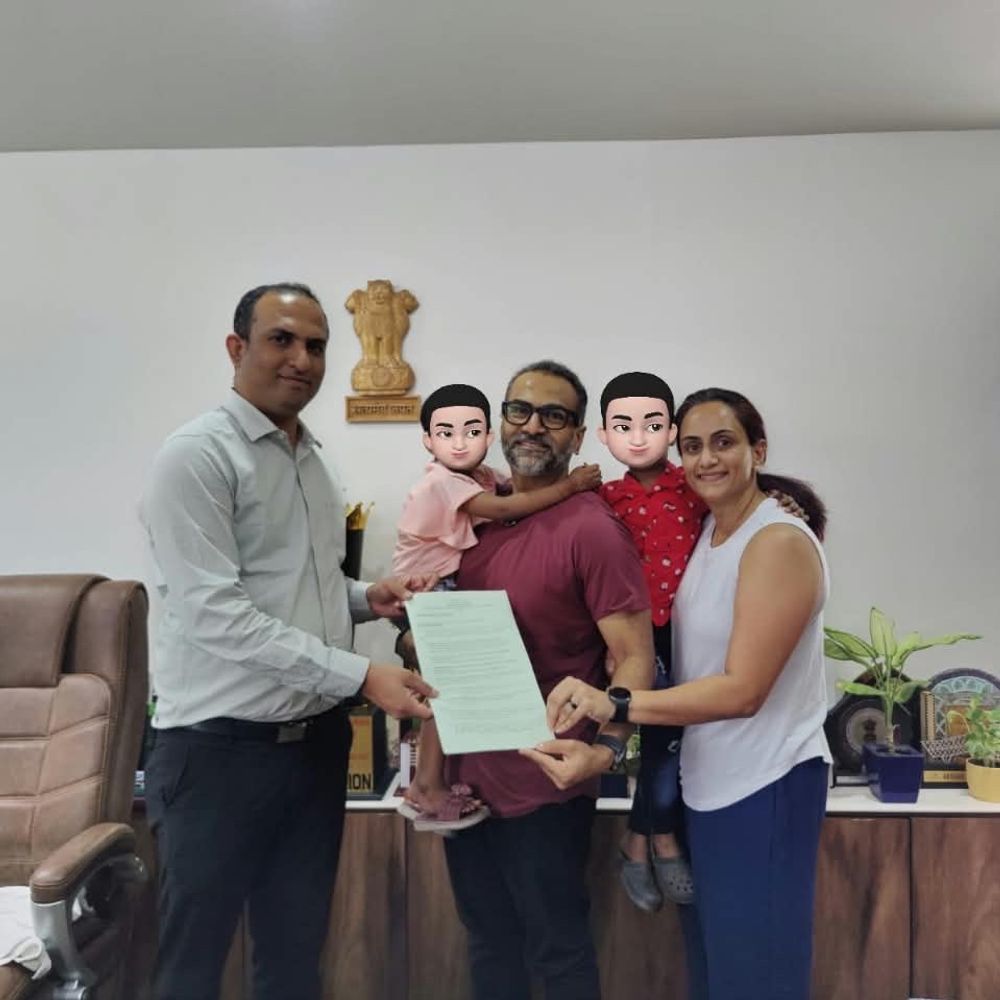
Surat District Collector Tejas Parmar signed and finalized the legal adoption orders under the guidelines of the Central Adoption Resource Authority, officially transferring custody to the adoptive parents. Officials from the district child protection unit and the local adoption facility attended the proceedings to oversee the final documentation. The administrative approval represents the concluding domestic stage of India's statutory adoption protocol.
The two siblings, a five-year-old boy and his younger sister, had previously lived in vulnerable conditions on the streets of Surat alongside their mother after the family faced acute destitution and abandonment. Authorities and social welfare workers intervened to ensure their immediate safety, providing emergency shelter, medical evaluations, and basic provisions. Local outreach teams had monitored the family's situation before coordinating formal administrative intervention.
Following police involvement and extensive counseling sessions, the biological mother gave formal consent for the siblings to be placed into institutional care and declared legally free for adoption. The children were subsequently admitted to a Special Adoption Agency, known locally as Shishu Gruh, located in Surat's Katargam neighborhood. Social workers ensured that both children were kept together throughout the intake process.
During their residency at the Katargam facility, caregivers provided the children with continuous nutrition, routine healthcare, and early childhood learning. Staff worked alongside district welfare officers to maintain detailed developmental records and facilitate necessary legal registrations on the national adoption portal. Agency personnel noted that the siblings demonstrated strong mutual attachment throughout their time in institutional care.
The adoptive parents, an Indian-origin couple working in the financial sector in New York, initiated their adoption journey nearly three years ago after registering with Indian authorities. Seeking to welcome siblings into their family, they completed exhaustive background reviews, home-study assessments, and financial vetting required for prospective adoptive parents living abroad.
India's Central Adoption Resource Authority mandates stringent scrutiny for overseas adoptions to safeguard child rights and prevent trafficking. Under the framework aligned with the Hague Adoption Convention, foreign and non-resident prospective adoptive parents undergo synchronized verification by Indian authorities and recognized social service agencies in their country of residence.
After being matched with the sibling profile through the centralized registry, the couple traveled to Surat to meet the children in person and establish an initial emotional bond. Facility supervisors monitored the interactive sessions to ensure the children felt safe and receptive to their prospective parents. Once mutual comfort and institutional clearances were established, the family initiated final court and administrative petitions.
Child welfare experts observe that cross-border adoptions involving biological siblings remain relatively uncommon due to complex legal coordination and extensive logistical requirements. However, child rights advocates emphasize that placing siblings together significantly enhances emotional security, easing the cultural and psychological adjustment of moving to a new country.
With the official adoption deed executed and administrative orders issued, the family is currently finalizing consular paperwork, travel documentation, and exit clearances. Following the issuance of Indian passports and required international visas, the children are scheduled to relocate with their parents to New York to begin their new lives.
Primary source: Divya Bhaskar NRG. Newzly rewrites and structures source reporting for clarity; verify critical details at the original.