US Denies Iranian Claims of Damaging F-16 Fighter Jet Over Persian Gulf
Washington has dismissed claims by Iranian state media that an air defense missile damaged a U.S. F-16 fighter jet over the Persian Gulf, calling the report completely false.
In this piece
The United States has rejected claims by Iranian state media that its forces struck and damaged an American F-16 fighter jet over the Persian Gulf. Defense…
The United States military has firmly rejected assertions by Iranian state media alleging that Iranian air defenses intercepted and damaged an American F-16 fighter jet over the Persian Gulf. Defense officials in Washington confirmed that all U.S. military aircraft operating in the area remain fully accounted for, characterizing the Iranian narrative as completely unsubstantiated.
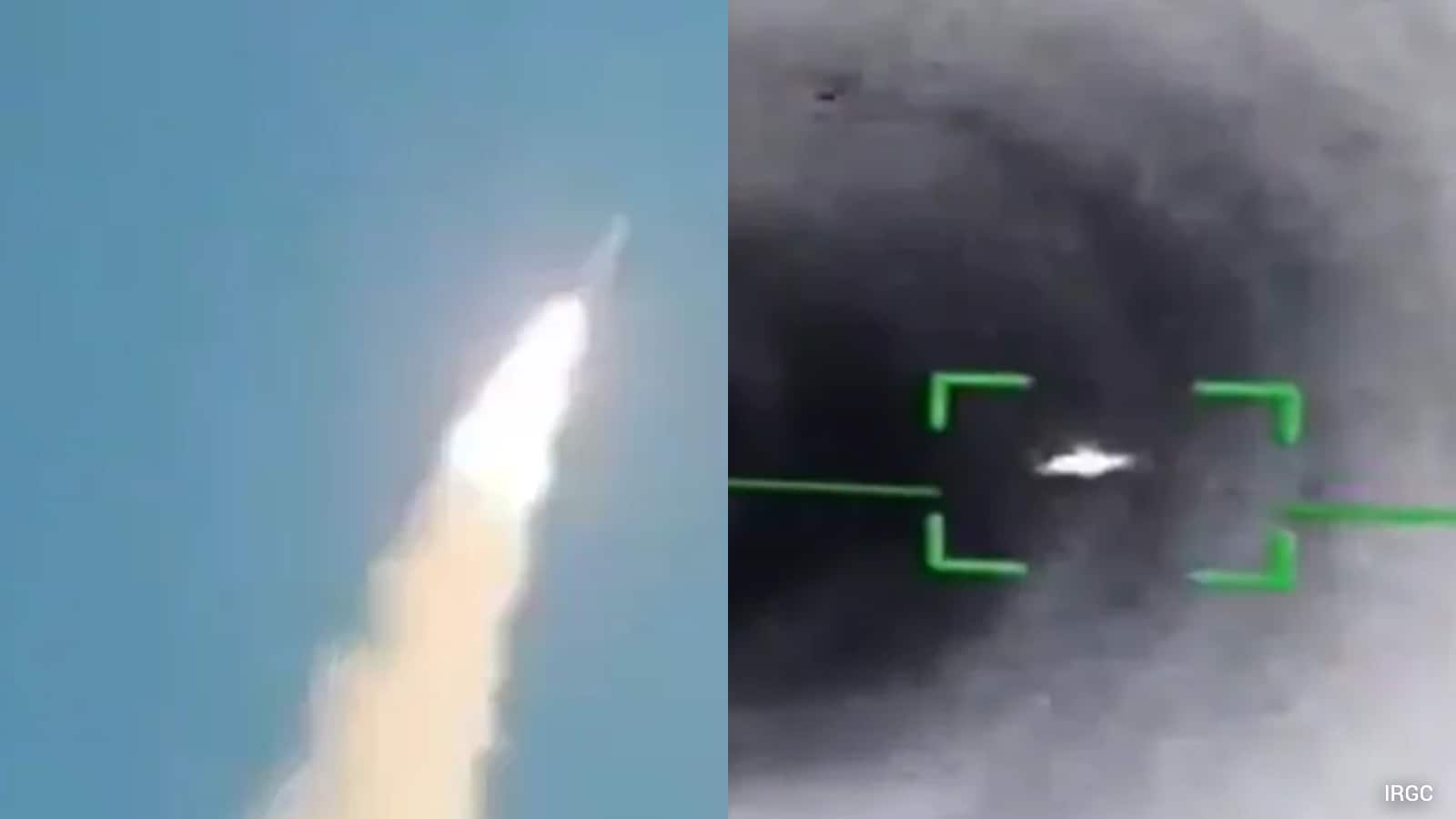
The controversy originated when Iranian news organizations, including the Tasnim news agency, reported that their armed forces had engaged a U.S. combat aircraft over international waters. According to the Iranian accounts, an air defense missile struck the F-16, inflicting significant structural damage and compelling the flight crew to abort their assignment and conduct an emergency landing at a regional airfield.
U.S. defense authorities responded rapidly to discredit the assertion, emphasizing that no American warplanes had been targeted, sustained damage, or diverted from their planned flight routes. Regional observers and independent fact-checkers noted that Iranian authorities failed to present satellite imagery, radar recordings, physical debris, or flight tracking data to substantiate their claims of a successful strike.
The claim regarding the F-16 coincided with separate announcements from Tehran stating that Iranian forces had launched attacks targeting U.S. radar installations located at military facilities in Bahrain. Analysts noted that the dual claims reflect a familiar pattern wherein Iranian state-backed channels broadcast unverified tactical successes to project military capability amid intensified friction across the Gulf.
The airspace stretching above the Persian Gulf is among the most congested and rigorously tracked military corridors in the world. The United States and its regional coalition partners maintain persistent surveillance through airborne early warning platforms, land-based sensors, and naval radar arrays, ensuring that any kinetic contact is instantly detected and recorded across integrated tracking networks.
Defense and security specialists point out that claims of disabling frontline Western multirole combat aircraft serve important domestic political and strategic objectives for Tehran. By claiming to overcome advanced American aviation platforms, state media outlets seek to foster public confidence in domestic defense industries and cultivate an impression of credible deterrence against foreign forces.
The dispute highlights the broader risks inherent in the persistent military standoff across the Middle East, where competing narratives can exacerbate geopolitical tensions. Analysts warn that in heavily fortified sectors, fabricated or exaggerated accounts of kinetic engagements increase the risk of operational misunderstandings and complicate de-escalation efforts between rival military forces.
American defense leadership indicated that regional commands will maintain standard operational postures and will not alter patrols in response to rhetoric from Tehran. U.S. forces positioned throughout the Persian Gulf remain on high readiness, actively monitoring coastal surface-to-air missile batteries and uncrewed aerial vehicle activity along the Iranian perimeter.
Looking ahead, military analysts anticipate that the information battle between Washington and Tehran will continue alongside conventional naval and aerial patrols. While the United States insists that its air missions will proceed without disruption, international observers will closely scrutinize official statements and verification data to separate verified encounters from regional propaganda.
Primary source: Google News India. Newzly rewrites and structures source reporting for clarity; verify critical details at the original.