Heritage Networks to Youth Exchanges: SCO Members Outline Cultural Roadmap
Delegates at the inaugural SCO Civilisational Dialogue Forum in New Delhi outlined plans for manuscript preservation networks, joint translation centres, and youth exchanges to deepen cultural connectivity across Eurasia.
In this piece
Member states of the Shanghai Cooperation Organisation convened in New Delhi for the inaugural SCO Civilisational Dialogue Forum. Delegations, including India…
Delegates and cultural leaders from the Shanghai Cooperation Organisation convened in New Delhi to chart a cooperative cultural roadmap, focusing on cross-border heritage networks and structured youth exchanges. The proposals were tabled during the inaugural edition of the SCO Civilisational Dialogue Forum, hosted by India at the historic sixteenth-century Purana Qila.
A major set of institutional recommendations came from Iran, whose cultural delegation presented three initiatives designed to deepen multilateral collaboration across Eurasia. Dr. Mohammad Mahdi Imanipour, president of Iran’s Islamic Culture and Relations Organisation, proposed creating dedicated networks for written heritage, regional translation centres, and expanded youth forums.
Under the heritage proposal, member nations would establish a cooperative network linking national libraries, universities, and cultural repositories. The initiative seeks to standardise the restoration, preservation, and digital archiving of ancient manuscripts, with Tehran offering to host a regional coordinating facility to support partner institutions.
The Iranian delegation also pushed for a specialised centre dedicated to the translation and publication of important literary, scientific, and cultural works. By translating significant texts across the diverse national languages of the SCO, the proposed mechanism aims to break linguistic barriers and make shared historical and scholarly traditions widely accessible.
Addressing generational engagement, the forum outlined a network for dialogue among youth to facilitate educational mobility and academic partnerships. Delegates underscored that cross-border research projects and student exchanges are essential to cultivate long-term ties among upcoming scholars, artists, and community leaders.
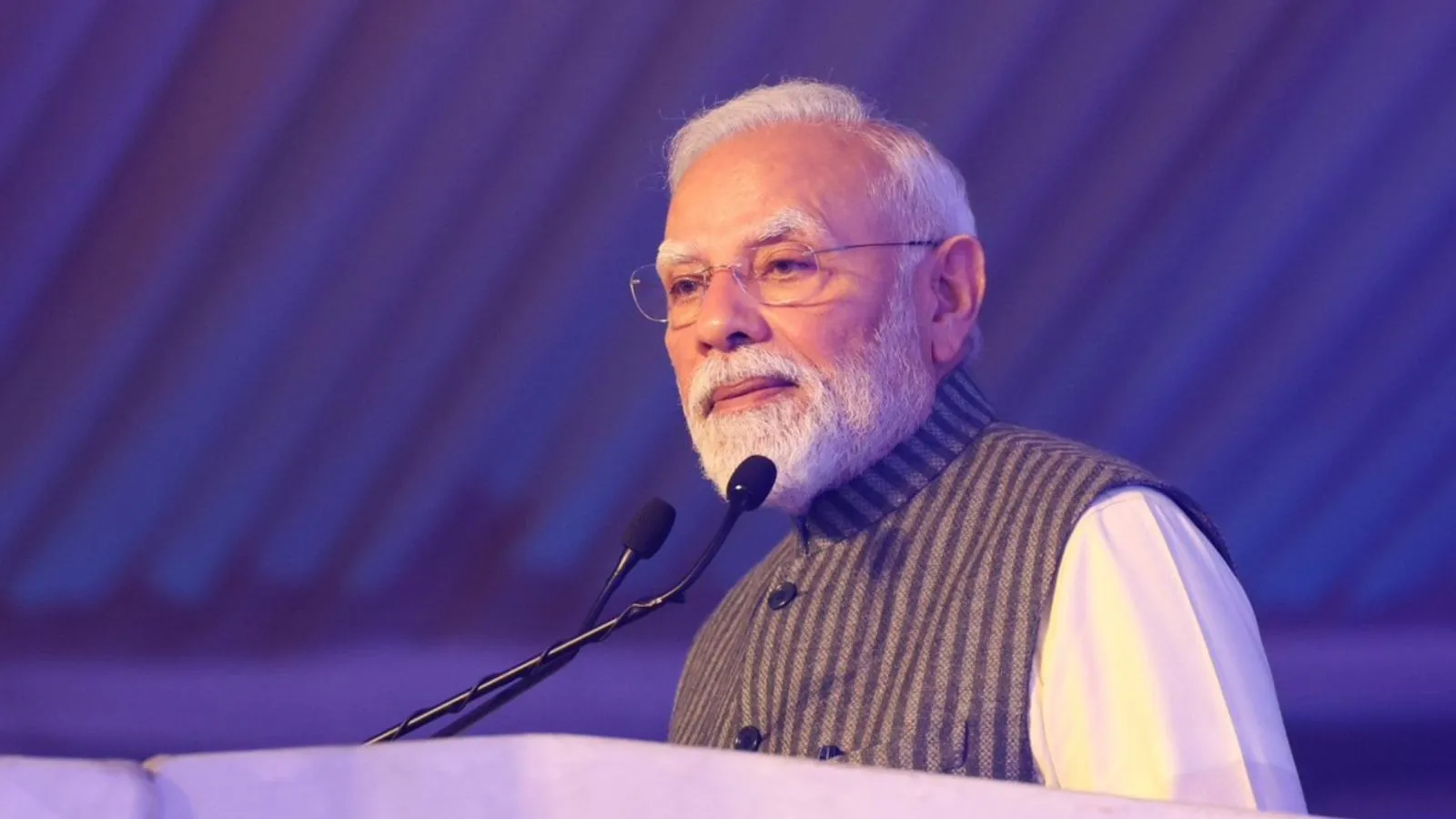
Inaugurating the three-day gathering, Indian Prime Minister Narendra Modi stressed the strategic role of civilisational dialogue in a fracturing international landscape. Modi observed that while modern global discourse is frequently dominated by armed conflict and geopolitical friction, enduring cultural connections provide the most reliable foundation for global stability and peaceful coexistence.
Union Culture Minister Gajendra Singh Shekhawat echoed that sentiment during the ministerial proceedings, emphasizing the necessity of involving local communities and grassroots cultural practitioners. Shekhawat urged participating countries to move beyond ceremonial exchanges and invest in joint research programs that unpack the shared civilisational linkages bridging South, Central, and West Asia.
The backdrop of Purana Qila offered tangible historical resonance for the diplomatic talks, accompanied by cultural exhibitions curated by national institutions such as the Sangeet Natak Akademi. Attendees also toured the archaeological exhibition titled Astitva, which details Delhi’s continuous layered history spanning from 1200 BCE to 1200 CE.
The gathering brought together culture ministers, senior officials, and delegates representing more than fifteen countries, including SCO member states and dialogue partners. As geopolitical differences occasionally strain multilateral security discussions, cultural diplomacy has emerged as a constructive venue where regional powers can maintain open communication channels and institutional cooperation.
Member states plan to examine the institutional feasibility of the proposed networks and regional centres ahead of subsequent SCO ministerial convenings. Observers note that while executing multilateral digitisation and youth exchange frameworks will require sustained diplomatic and financial alignment, the New Delhi dialogue marks a renewed push to anchor Eurasian relations in shared heritage.
Primary source: The Indian Express. Newzly rewrites and structures source reporting for clarity; verify critical details at the original.