US Gujarati Couple Adopts Two Abandoned Children From Surat
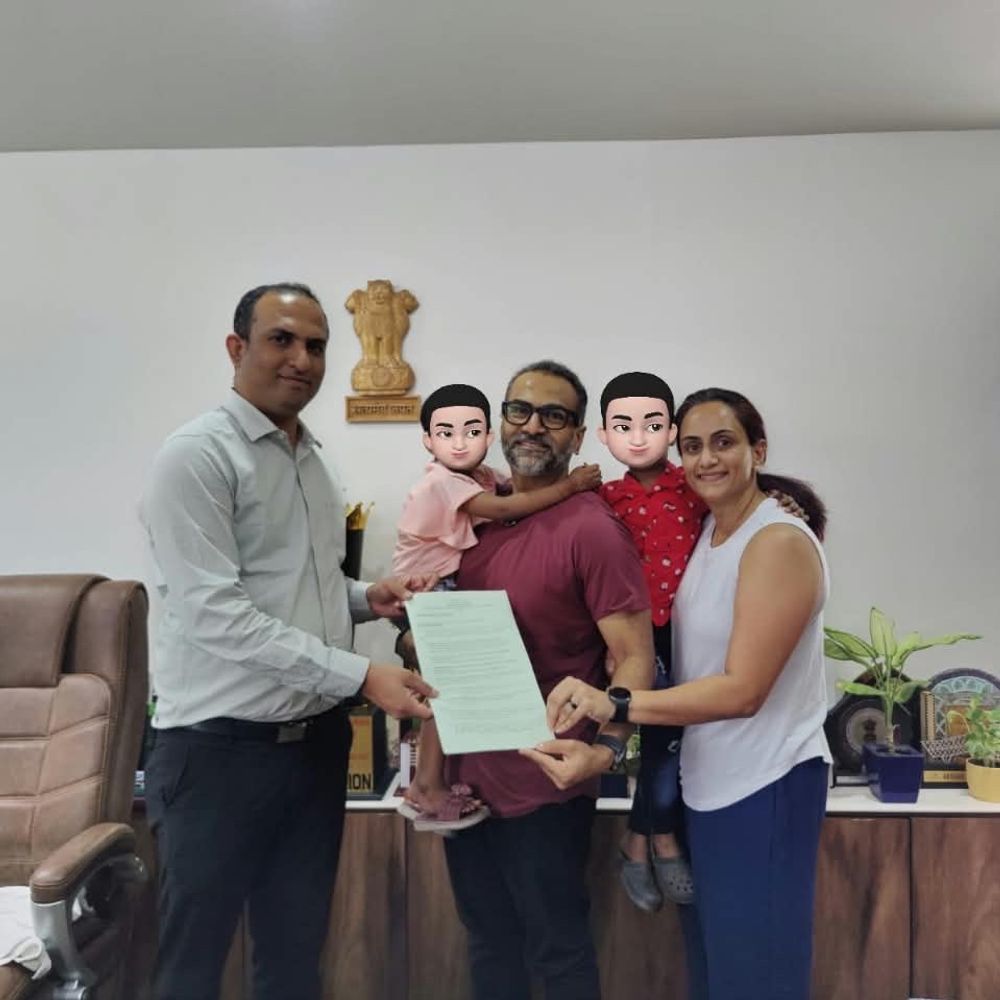
Two young boys rescued from the streets of Surat will move to the United States after a Gujarati-origin couple completed their legal adoption from a Katargam child welfare shelter.
In this piece
Two young children found abandoned on the streets of Surat have been legally adopted by an Indian-origin family living in the United States. The boys, aged four…
Two young children found wandering abandoned on the streets of Surat will begin a new life in the United States after being formally adopted by an Indian-origin family living abroad. The two boys, aged four and five, had been under the protective care of a specialized adoption and children's home in the Katargam area of Surat prior to the completion of the legal adoption process.
Local welfare officials and caregivers had looked after the youngsters since their rescue from vulnerable street conditions. Over their stay at the Katargam facility, social workers provided shelter, healthcare, and foundational support while administrative authorities conducted the necessary background reviews and inquiries required under statutory child welfare frameworks.
The adopting parents, a couple of Gujarati heritage currently settled in the United States, completed extensive documentation and cross-border verification procedures to welcome the children into their household. The family stepped forward to take custody of both youngsters together, ensuring that the brothers would remain united as they transition to life overseas.
Inter-country adoptions involving Indian children operate under rigorous guidelines overseen by central and state child protection bodies, requiring thorough vetting of prospective adoptive parents. International placements routinely entail comprehensive home studies, financial assessments, background checks, and judicial approvals across both Indian authorities and the receiving country's immigration departments.
Child welfare specialists emphasize that keeping siblings together during international placements is vital for their emotional stability and long-term well-being. When young children experience abandonment or early hardship, retaining shared family bonds significantly eases psychological adjustment in an unfamiliar cultural, linguistic, and geographic environment.
Children's homes such as the Katargam center play a crucial role within Gujarat's municipal welfare framework by offering institutional safety nets for lost, neglected, or destitute minors. These facilities work in coordination with district child protection units and local police departments to trace biological relatives before declaring children legally eligible for adoption.
For non-resident Indian families and diaspora communities in North America, adopting from their home state often reflects a desire to offer supportive opportunities while maintaining cultural roots. Observers note that such cross-border placements give underprivileged children access to expanded educational and healthcare resources abroad while preserving their connection to their heritage.
With the requisite legal decrees and travel clearance formalities finalized, the young boys are scheduled to depart with their adoptive parents for their new home in the United States. Staff and caregivers at the Katargam institution expressed optimism for the children's future, noting that the successful placement marks an uplifting milestone in ongoing regional rehabilitation efforts.
Primary source: Divya Bhaskar NRG. Newzly rewrites and structures source reporting for clarity; verify critical details at the original.