business·Delhi·New Delhi District
US Proposes Tariffs of Up to 25% on Indian Goods, Targeting Make in India and PLI Policies
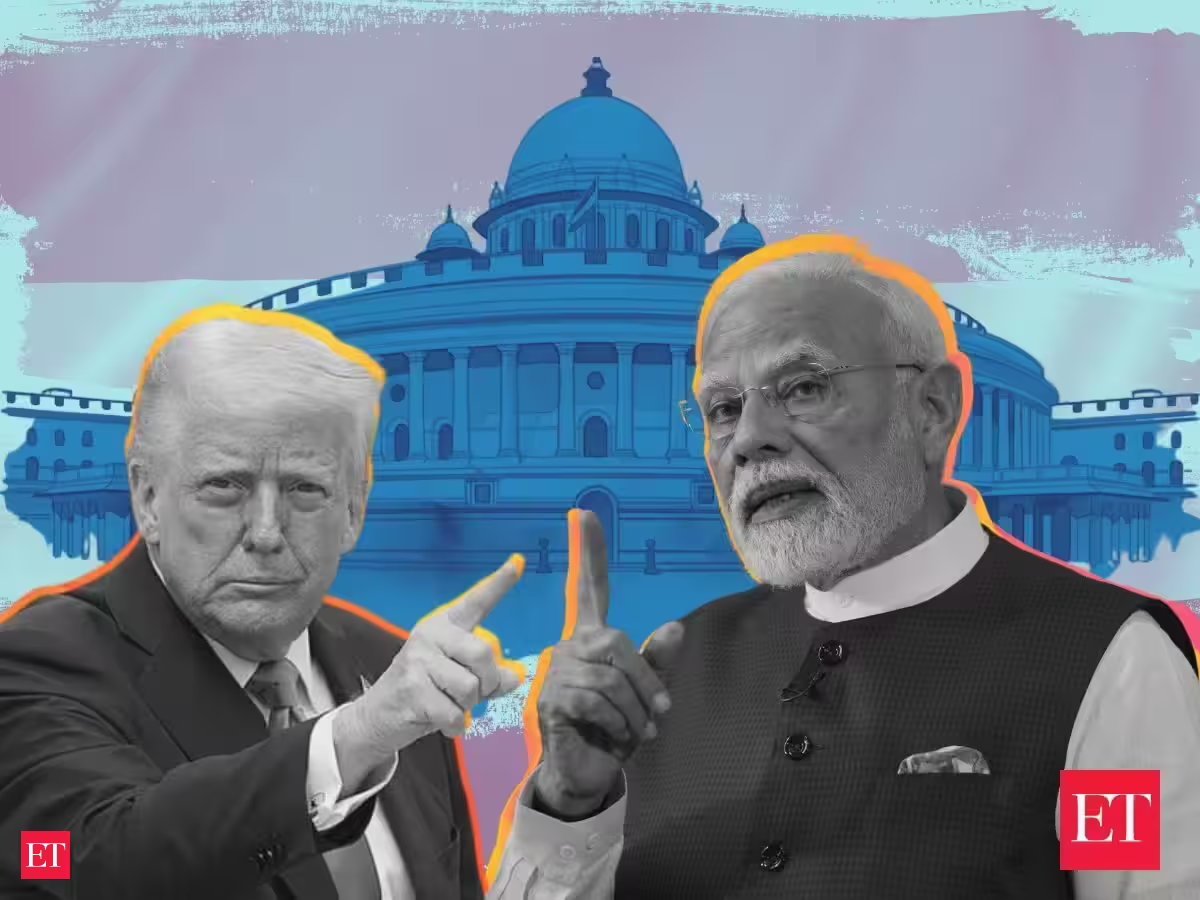
The United States has proposed tariffs of up to 25 percent on Indian imports, targeting New Delhi's Make in India and production incentive schemes over allegations of unfair market distortions.
In this piece
The Trump administration has proposed tariffs of up to 25 percent on Indian goods following a Section 301 trade investigation into India's Make in India and PLI…
The Office of the United States Trade Representative has proposed import duties of up to 25 percent on Indian goods, placing New Delhi's core industrial policies under formal scrutiny. The action by the Donald Trump administration targets key manufacturing initiatives, specifically the Make in India agenda and several Production Linked Incentive schemes. U.S. trade authorities highlighted concerns that these policies unfairly tilt bilateral trade balances.
In its Section 301 investigation report, Washington claimed that India's industrial support measures foster structural excess manufacturing capacity and distort commercial competition. The findings allege that government subsidies and market protections disadvantage American companies and domestic workers. The report argues that such state-directed economic measures place an unreasonable burden on United States commerce.
Federal trade officials signaled that the proposed 25 percent punitive tariff could be reduced to 17 percent if the two governments reach an agreement. That tariff discount depends on New Delhi accepting a reciprocal trade deal that resolves American grievances regarding market access and industrial subsidies. The conditional rate reflects a deliberate strategy to press Indian negotiators toward bilateral trade concessions.
New Delhi has firmly rejected Washington's characterizations, denying that its domestic manufacturing support creates artificial global overcapacity. Indian authorities maintain that initiatives like Make in India and Atmanirbhar Bharat are aimed at strengthening domestic supply chains and generating local employment. Officials emphasized that India's policies comply with international standards and do not harm trading partners.
The Production Linked Incentive program has served as the centerpiece of India's recent economic development agenda, targeting critical industries such as electronics, pharmaceuticals, and advanced technology. By offering financial incentives tied to incremental output, the framework has successfully attracted major multinational manufacturers and expanded domestic industrial capabilities. Washington, however, views these incentives as market-distorting export and production subsidies.
The tariff proposal reflects a wider pattern in American trade policy under the Trump administration, which has deployed Section 301 actions against multiple major trading partners, including China and the European Union. Trade policy analysts note that the White House frequently uses high headline tariff numbers as aggressive leverage in negotiations. The overarching goal is often to force trading partners to open domestic markets or sign bilateral pacts.
If implemented, tariffs between 17 and 25 percent would pose substantial risks for Indian exporters who rely heavily on the American market. Critical export sectors such as engineering goods, automotive components, textiles, and electronic hardware could face severe price disadvantages against competitors in other regions. Business groups warn that prolonged trade friction could also disrupt cross-border supply chains built over recent years.
Before any proposed duties can take effect, the U.S. government is expected to solicit public comments and hold formal stakeholder hearings. These proceedings will provide industry representatives, trade associations, and corporate executives an opportunity to outline the economic impact of potential trade barriers. Parallel diplomatic discussions are anticipated as negotiators from both countries explore terms for a potential settlement.
The unfolding dispute highlights growing tensions between Washington's tariff-driven economic posture and India's ambition to position itself as a premier global manufacturing alternative. Observers believe the coming weeks will determine whether diplomatic negotiations can bridge the policy divide or if bilateral trade relations will face a period of heightened friction. The outcome is expected to shape future economic cooperation between the world's two largest democracies.
Primary source: Economic Times. Newzly rewrites and structures source reporting for clarity; verify critical details at the original.