US Sanctions Canadian Currency Exchange Firms Over Iran Ties and Offers $20M Nuclear Bounty
The United States has sanctioned Canadian money-exchange firms over their ties to Iran while offering up to $20 million and potential relocation for information concerning Tehran's nuclear program.
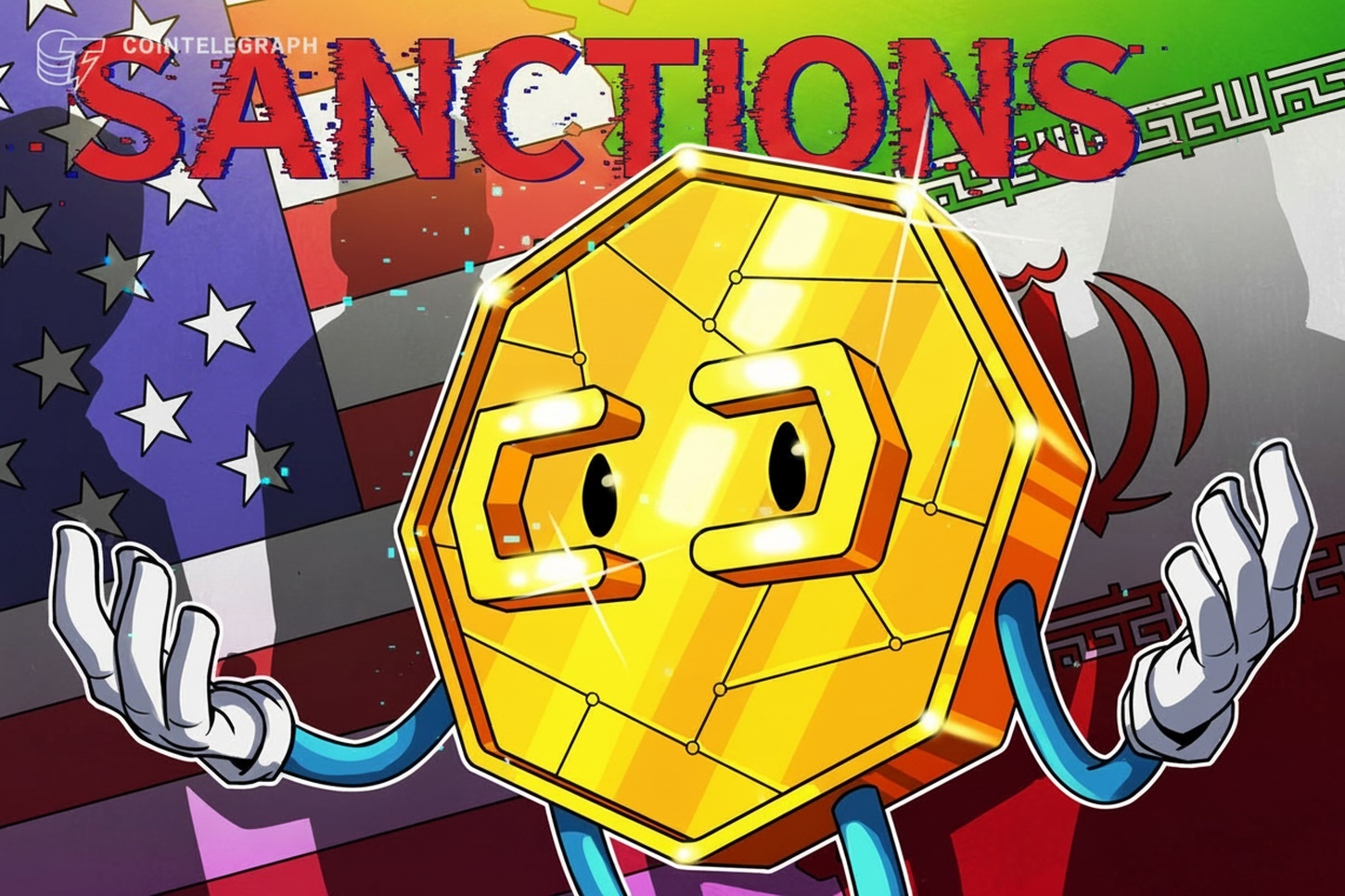
The United States has moved to impose sanctions on Canada-based money-exchange businesses over their alleged ties to Iran, marking a sharp escalation in cross-border financial enforcement. In a concurrent measure, American authorities have authorized a reward of up to $20 million, paired with the possibility of relocation, for actionable intelligence regarding Iran's nuclear program. The dual enforcement measures demonstrate Washington's coordinated effort to restrict international financial conduits while expanding strategic intelligence collection.
The blacklisting of money-exchange enterprises operating in Canada underscores regulatory concerns regarding secondary financial pipelines that can be leveraged to move funds across borders. Independent currency dealers and transfer agencies often face rigorous scrutiny under international sanctions regimes when facilitating cross-border settlements connected to restricted entities. U.S. enforcement actions in this domain typically seek to sever the intermediary mechanisms that allow sanctioned jurisdictions to access North American financial infrastructure.
Complementing the financial measures, the offer of up to $20 million represents one of the more substantial bounties deployed by U.S. officials targeting foreign non-proliferation concerns. The incentive structure, which explicitly includes the prospect of relocation for informants, is designed to encourage individuals with direct technical or operational knowledge of Iran's nuclear activities to step forward. Such reward programs have historically served as critical levers for Western intelligence gathering against closely guarded state programs.
The focus on currency exchange firms highlights persistent challenges in monitoring decentralized remittance systems and third-party financial intermediaries. In many international trade hubs, exchange offices provide liquidity and trade settlement services that can inadvertently or deliberately intersect with sanctioned commerce. Washington's decision to act against entities situated in an allied jurisdiction like Canada emphasizes that geographic proximity does not shield foreign businesses from secondary sanctions exposure.
Geopolitical observers note that Washington has consistently deployed economic sanctions as a primary tool to curb Tehran's regional influence and disrupt sensitive developmental work. By penalizing external commercial touchpoints, policymakers aim to increase the operational friction and monetary expense required to finance sensitive programs. The current measures reflect an ongoing strategy to restrict access to capital while simultaneously pressing for visibility into strategic research and development initiatives.
For the broader financial services industry, the sanctions serve as a direct reminder of the rigorous compliance standards governing money services businesses and foreign exchange operators. Institutions dealing with high-risk financial corridors must continuously evaluate their customer due diligence protocols, wire screening mechanisms, and counterparty risks. Unintentional participation in prohibited transaction chains can carry severe reputational consequences alongside immediate exclusion from the U.S. dollar clearing system.
While specific corporate identities and full operational details of the sanctioned entities were not extensively delineated in initial reporting, the measures point to continued regulatory collaboration and intelligence monitoring. Financial oversight bodies frequently review transaction ledgers, beneficial ownership registries, and digital payment rails when building cases against foreign exchange conduits. Observers note that additional administrative details or formal designations may emerge as enforcement agencies document the financial relationships in question.
Moving forward, financial institutions across North America are anticipated to enhance their screening protocols for money transfer networks with indirect ties to the region. The effectiveness of the $20 million reward program will also remain an area of close attention among international security analysts monitoring global non-proliferation efforts. As regulatory bodies reinforce compliance boundaries, the combination of economic interdiction and intelligence bounties is expected to maintain sustained pressure on foreign financial intermediaries.
Primary source: CoinTelegraph. Newzly rewrites and structures source reporting for clarity; verify critical details at the original.