US stocks rise as dollar falls after Democrats’ midterm victories
Wall Street advanced and government bond yields fell as investors weighed Democratic control of Congress, with hopes of constraints on Donald Trump’s policymaking easing initial concerns about economic growth.
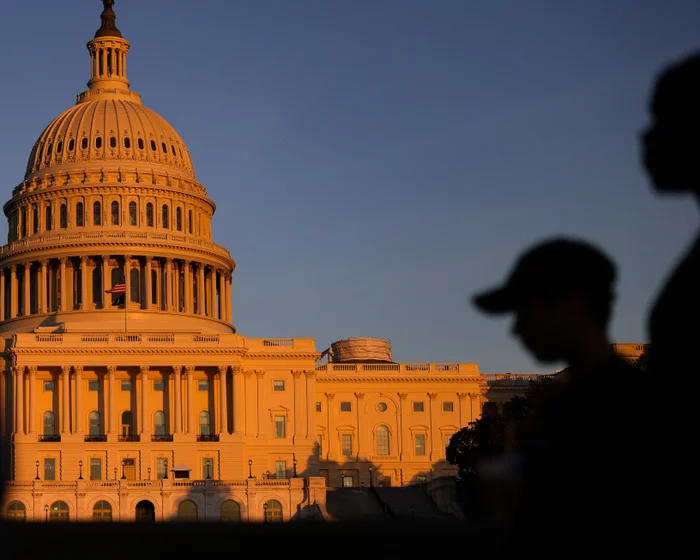
US stocks rallied after Democrats won control of the Senate and House of Representatives, as investors weighed the prospect of tighter constraints on Donald Trump’s policymaking, The Guardian reported. The dollar weakened and government bond yields fell as markets digested the election outcome.
The Dow Jones rose 2%, while the technology-heavy Nasdaq and the benchmark S&P 500 each gained more than 1%. Those advances reversed the direction of overnight US stock futures, which had fallen as news of the Democratic victories emerged.
The turnaround reflected an easing of initial fears about the implications for growth in the world’s largest economy. According to The Guardian, shares were lifted by hopes that a Democratic-controlled Congress would restrain what the publication described as Trump’s turbulent policymaking.
The election result puts the relationship between the presidency and Congress at the center of the market response. Control of both legislative chambers gives Democrats a stronger position from which to challenge the administration, although the supplied report does not identify specific measures investors expect them to pursue.
For equity investors, the immediate reaction suggested that the prospect of greater policy restraint outweighed the growth concerns evident in overnight futures trading. That shift describes the reported trading session, rather than establishing how markets will perform as the political consequences become clearer.
The dollar’s decline accompanied the rise in shares, showing that the response was not uniform across asset classes. The supplied report does not give the size of the currency’s fall or identify which exchange rates recorded the largest moves, limiting conclusions about the breadth of the selling.
Government bond yields also moved lower as investors assessed the result. Bond prices and yields generally move in opposite directions, but the excerpt provides no maturity-specific figures or detail sufficient to isolate the reasons for the decline.
Taken together, the moves show investors reassessing the outlook for US policy rather than responding in a single direction to the election news. Stronger shares, a weaker dollar and lower yields can reflect different expectations, and the available account does not establish one explanation for every market.
The distinction between an immediate market reaction and a lasting economic effect remains important. The reported stock gains show that early concerns eased, but they do not by themselves demonstrate that the election outcome will strengthen growth or resolve uncertainty over the administration’s policies.
Attention now turns to how the new congressional balance affects policymaking and whether the initial market response holds. The Guardian’s account frames the rally around hopes of restraint on Trump, leaving the durability of that optimism dependent on political developments and subsequent evidence about the economy.
Primary source: The Guardian Business. Newzly rewrites and structures source reporting for clarity; verify critical details at the original.