US Tightens AI Export Rules to Block China From Buying or Leasing Advanced Chips
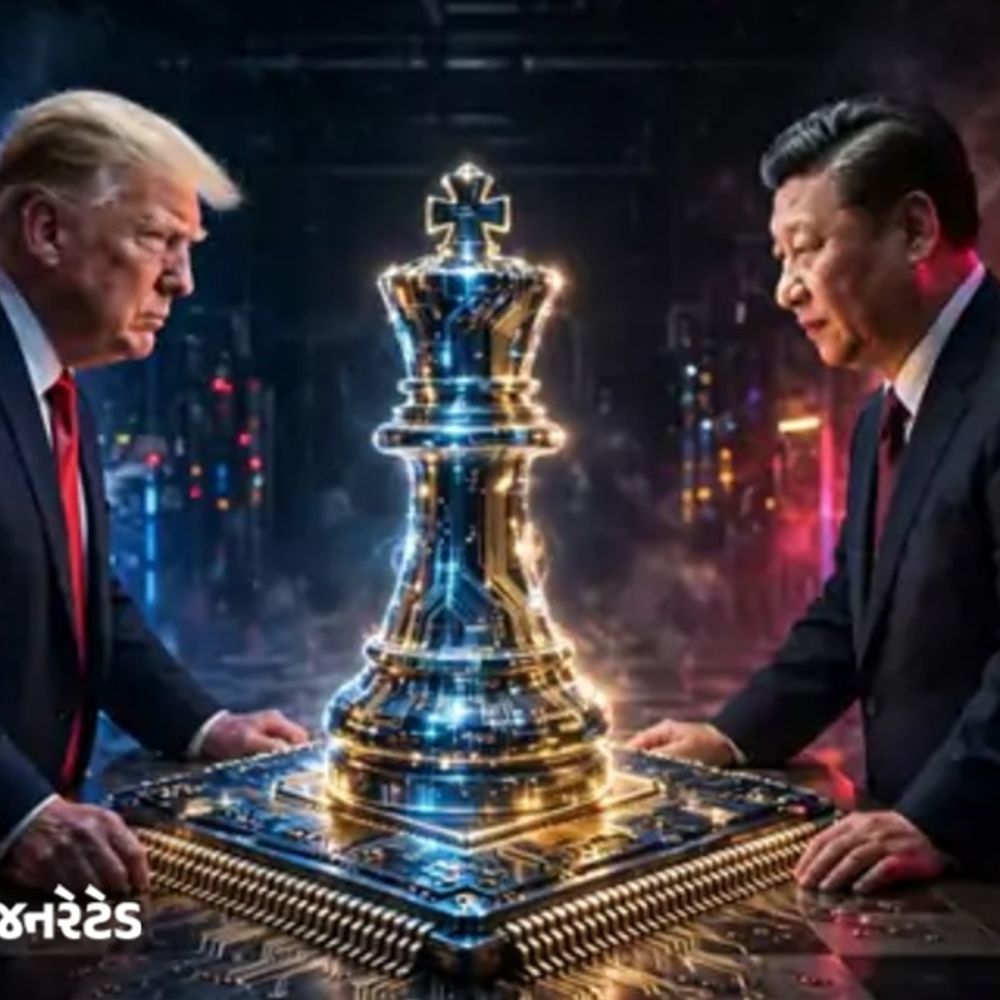
The United States has revised export controls to prevent Chinese firms from purchasing or remotely renting advanced artificial intelligence chips, closing regulatory loopholes highlighted by recent third-party diversion controversies.
In this piece
Washington has introduced stricter export restrictions to bar Chinese entities from acquiring or leasing cutting-edge artificial intelligence chips through…
The United States has introduced tightened export regulations designed to block China from accessing advanced artificial intelligence hardware, expanding restrictions to prevent Chinese entities from both purchasing chips directly and leasing computing capacity abroad. The revised rules, issued by the U.S. Department of Commerce, specifically target loopholes that allowed foreign data centers to rent computing power to Chinese clients.
Under the updated regulatory framework, foreign facilities operating high-performance computing clusters will face strict licensing mandates if they offer remote access to advanced American processors. Regulators moved to prevent Chinese tech companies and research institutions from utilizing cloud-based infrastructure to train foundational AI models on hardware they are legally barred from owning.
The new measures focus heavily on data center operations across intermediate hubs, including Singapore, Malaysia, Thailand, Indonesia, and Brazil. U.S. officials identified these regions as prime corridors where high-end semiconductors could be diverted or remotely tapped by entities subject to American trade sanctions. Facilities in those nations will now require explicit export licenses before acquiring top-tier American processors or providing computational workloads to restricted markets.
The policy shift follows heightened scrutiny over how leading semiconductor manufacturers, particularly Nvidia, saw their products flow into Chinese hands despite sweeping trade controls imposed in recent years. Regulatory and media investigations revealed that third-party vendors and cloud operators had established complex leasing networks to bypass bilateral restrictions.
Recent scrutiny centered on intermediate firms, including Singapore-based entities, that reportedly acquired billions of dollars in advanced graphics processing units to service regional and Chinese demand. These arrangements sparked intense debate in Washington regarding whether hardware sales bans were sufficient without stringent curbs on cloud and rental arrangements.
Lawmakers in the U.S. Congress had increasingly pushed for administrative action, championing measures such as the Remote Access Security Act to plug gaps in existing export authorities. Lawmakers argued that providing computing access across borders functionally defeated the national security objectives of the original chip restrictions.
The broader semiconductor standoff reflects deepening technological rivalry between Washington and Beijing, with artificial intelligence viewed as a critical pillar of future economic power and military capability. American security agencies have consistently warned that state-of-the-art AI chips could accelerate autonomous weapons development, cyber operations, and advanced surveillance systems.
The tightened export framework places renewed compliance burdens on global cloud providers, data center operators, and American semiconductor designers. Hardware manufacturers have already faced repeated recalibrations to their international product lines as regulators progressively lower performance thresholds to prevent circumvention.
Beijing has repeatedly criticized unilateral U.S. trade curbs as economic coercion designed to suppress its technological ascent. While Chinese developers face near-term computational bottlenecks under the tighter regime, the restrictions have also accelerated state-backed investments in domestic silicon and localized software ecosystems.
Moving forward, U.S. regulatory agencies are expected to intensify enforcement audits and track cloud compute agreements across international jurisdictions. Observers note that while the new rules close prominent leasing avenues, policing cross-border virtual infrastructure will present ongoing challenges for global trade monitors.
Primary source: Divya Bhaskar International. Newzly rewrites and structures source reporting for clarity; verify critical details at the original.