US Treasury Secretary Scott Bessent Mocks Iranian President Masoud Pezeshkian Over Energy-Saving Stunt
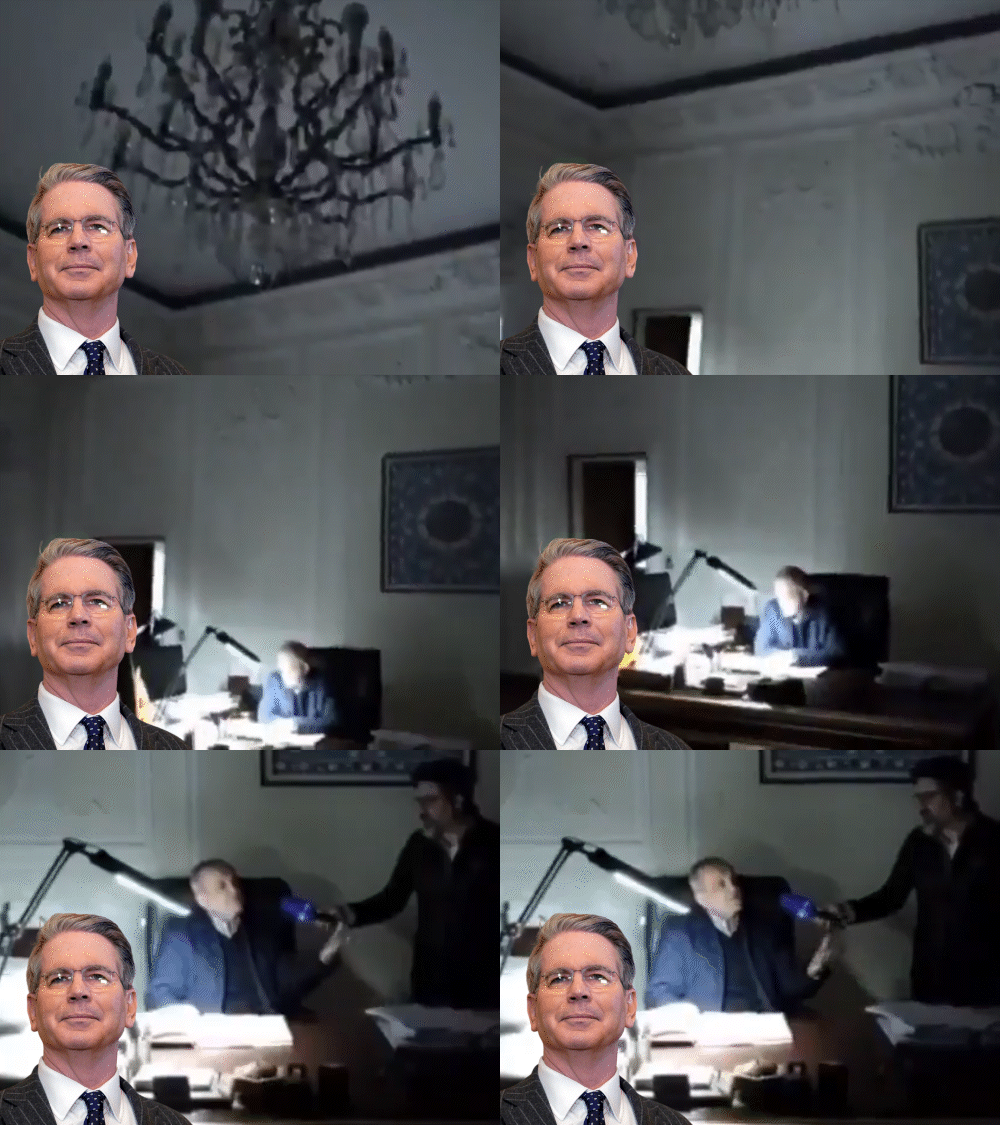
U.S. Treasury Secretary Scott Bessent took a swipe at Iranian President Masoud Pezeshkian after video showed the Iranian leader working in a cold, darkened office to encourage citizens to conserve energy amid worsening nationwide power shortages.
In this piece
U.S. Treasury Secretary Scott Bessent mocked Iranian President Masoud Pezeshkian after Iranian state media broadcast footage of the leader working in an…
U.S. Treasury Secretary Scott Bessent publicly ridiculed Iranian President Masoud Pezeshkian after footage emerged showing the Iranian leader conducting official business in a darkened, unheated office. Bessent shared a news report covering the scene on social media platform X alongside the sarcastic comment, "Good job, guys. Have a wonderful winter." The exchange immediately drew international attention to Tehran's escalating domestic infrastructure troubles.
The clip, broadcast by Iranian state-affiliated media, showed Pezeshkian sitting at his desk dressed in heavy winter clothing while working under a solitary desk lamp. Officials described the demonstration as a symbolic call for citizens across the country to turn down thermostats and curtail electricity usage ahead of freezing weather. The Iranian administration presented the setting as an act of leadership by example during an acute seasonal shortage.
Pezeshkian has repeatedly urged Iranian households and state institutions to scale back energy consumption to prevent a complete collapse of the electrical grid. Government ministries and public offices have faced directives to shut off heating units and reduce lighting as power plants run short of fuel. The president's office framed the austere demonstration as a necessary step to conserve natural gas reserves for residential heating.
Iran has entered the cold season facing severe structural deficits across its energy sector, leading to rolling blackouts in major cities. Industrial facilities and residential neighborhoods alike have experienced scheduled power cuts as utilities struggle to balance generation against peak demand. Despite holding vast global natural gas and crude reserves, decades of underinvestment and equipment decay have sharply constrained the country's domestic refining and power transmission capabilities.
Economic pressure from the United States and international partners has severely limited Tehran's ability to modernize its power generation grid and procure replacement hardware. Heightened sanctions have crippled foreign investment into Iranian energy fields, leaving aging infrastructure vulnerable to frequent operational breakdowns. Compounding the supply bottleneck, logistics and maritime trade curbs have further strained Iran's access to external supplies and critical maintenance parts.
The televised austerity stunt generated mixed reactions within Iran, triggering debate among both citizens and political factions. While supporters argued that Pezeshkian showed solidarity with ordinary families enduring daily blackouts, hardline critics asserted that the imagery projected weakness to foreign adversaries. Political opponents argued that an energy-rich state should not reduce its head of state to working without heat.
Bessent's public mockery underscores the uncompromising stance taken by Washington as it steps up economic measures targeting Iran. The Treasury Department oversees enforcement of sweeping financial sanctions designed to restrict revenue flows to the government in Tehran. U.S. officials have frequently seized on signs of economic dysfunction within Iran to argue that current sanctions regimes are inflicting substantial pressure on state operations.
Energy analysts note that the confrontation comes at a critical juncture as temperatures drop and domestic demand for heating gas surges across the Iranian plateau. The strain on regional grids risks slowing manufacturing output and disrupting everyday civil routines if outages persist through the winter months. Regional observers warn that prolonged energy distress could fuel public dissatisfaction and further test the new administration's domestic standing.
Looking ahead, Iranian authorities face a difficult winter balancing conservation mandates against growing public fatigue over recurring utility failures. Meanwhile, Washington is expected to maintain close scrutiny over Iranian commerce and energy transactions to ensure sanctions enforcement remains rigid. How Tehran manages its worsening fuel deficit in the coming weeks will likely determine both domestic stability and the tone of its foreign diplomatic engagements.
Primary source: Divya Bhaskar International. Newzly rewrites and structures source reporting for clarity; verify critical details at the original.