Uttar Pradesh, Madhya Pradesh to Share 500 MW Storage Capacity
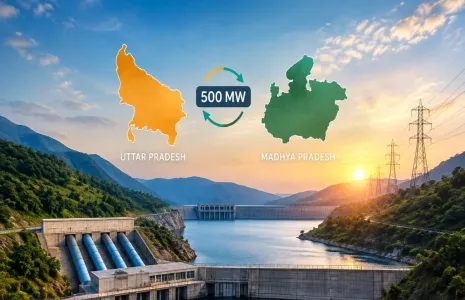
Uttar Pradesh and Madhya Pradesh are set to share 500 MW of energy storage capacity, Construction World reported, though the supplied report excerpt does not detail the allocation, technology or implementation schedule.
In this piece
Construction World reported that Uttar Pradesh and Madhya Pradesh will share 500 MW of energy storage capacity. The available excerpt does not specify how the…
Uttar Pradesh and Madhya Pradesh are set to share 500 megawatts of energy storage capacity, according to a Construction World headline carried by Google News. The supplied excerpt does not provide details of the arrangement, including the allocation between the two states or a schedule for bringing the capacity into service.
The headline identifies a shared capacity figure but does not name a developer, operator or implementing agency. It also does not specify whether the arrangement involves a single facility or multiple installations. Those distinctions would be important in understanding how the capacity would be developed and made available to each state.
The 500 MW figure describes power capacity rather than the total amount of energy that could be stored. A storage system's energy capacity, generally expressed in megawatt-hours, is needed to establish how long it can deliver electricity at a given output. No corresponding energy figure appears in the supplied material.
That distinction matters when assessing the potential role of the proposed capacity. Systems with the same megawatt rating can provide different lengths of supply, depending on their design and stored energy. The headline alone therefore does not establish how much sustained support would be available to Uttar Pradesh and Madhya Pradesh.
Energy storage can generally help electricity systems manage differences between when power is generated and when consumers need it. It can absorb electricity for later delivery and support more flexible operation of the grid. However, the available excerpt does not identify the intended use of this particular capacity or connect it to any specific generation project.
The storage technology is also unspecified. Batteries and pumped-storage facilities, for example, have different infrastructure requirements and operating characteristics, so it would be premature to describe the reported capacity as either type. The supplied material likewise provides no basis for identifying a project site, construction status or commissioning date.
Commercial and administrative details remain outside the available account. There is no stated investment amount, procurement process, ownership structure or explanation of how access would be divided between the states. Without those details, the reported sharing arrangement cannot yet be assessed in terms of costs, contractual responsibilities or the benefits available to individual electricity buyers.
The central reported development is the planned sharing of 500 MW, rather than confirmation that the capacity is already operational. Further details from the underlying report or the agencies involved would be needed to establish the project's scope and delivery timetable. The allocation, storage duration and implementation arrangements will determine what the headline capacity means in practical terms for both states.
Primary source: Google News Uttar Pradesh. Newzly rewrites and structures source reporting for clarity; verify critical details at the original.