Wading bird Phil tracked on 6,800-mile Siberia round trip
A wading bird called Phil has completed a 6,800-mile migration to Siberia and back, astonishing conservationists and highlighting the extraordinary distances covered by a single bird.
In this piece
A wading bird named Phil has been tracked completing a 6,800-mile round trip to Siberia and back, BBC Science reports. The journey astonished conservationists,…
A wading bird called Phil has astonished conservationists by completing a 6,800-mile round trip to Siberia and back, according to BBC Science. The tracking account puts an individual bird at the centre of a migration story spanning thousands of miles, although the supplied report offers few details beyond the completed journey.
The distance reported covers the outward and return journey together, rather than a single flight to Siberia. The account does not say how far Phil travelled on either leg, whether the routes differed, or how many times the bird stopped before returning to its starting point.
Phil is described as a wading bird, but the brief source material does not identify the species. That limits how precisely the journey can be placed in context: the information provided does not establish whether this distance was unusual for birds of the same species or exceptional primarily to those following Phil.
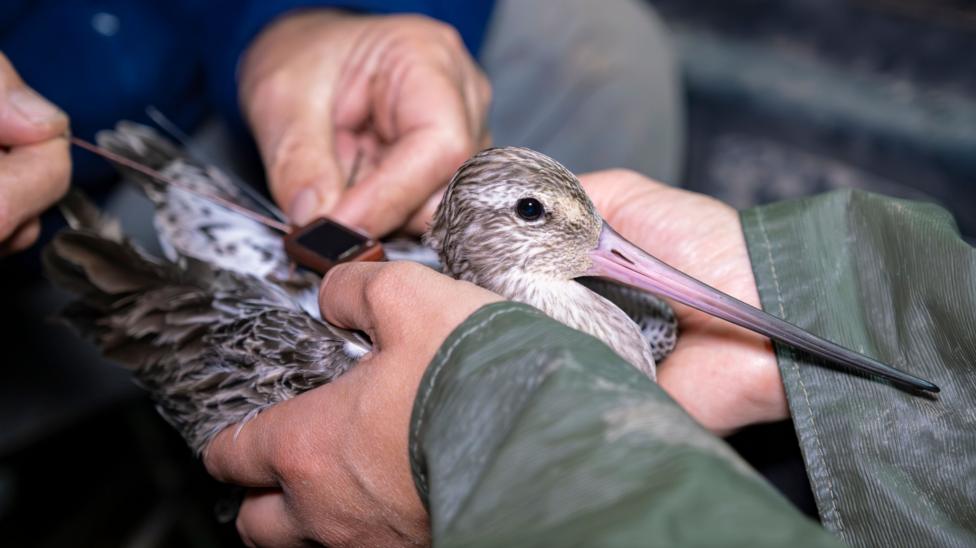
The headline says the bird was tracked, making its movements the basis of the account rather than simply a sighting at either end of the journey. However, the supplied material does not explain the tracking method, identify the conservationists involved or describe how the total distance was calculated.
The central finding is nevertheless clear: Phil completed a return migration involving Siberia and a reported total of 6,800 miles. The conservationists’ astonishment is part of the BBC account, but no direct quotations or detailed assessments are included in the material available for this article.
An individual migration record can provide a way to examine the connections between places a bird uses over the course of its travels. In Phil’s case, the absence of a starting location and intermediate stops means the report cannot yet support a detailed account of those connections or the habitats involved.
The same distinction applies to the demands of the journey. A total distance alone does not reveal how long a bird spent flying, resting or feeding, and the supplied account gives no departure or return dates. It would therefore be premature to describe Phil’s speed, endurance between stops or encounters with particular weather conditions.
For now, the story is a documented long-distance return journey rather than a fully described migration study. Further information about Phil’s species, route, tracking record and travel dates would be needed to explain what conservationists can learn from the trip; the brief BBC account does not state whether those details or any future tracking plans will be released.
Primary source: BBC Science. Newzly rewrites and structures source reporting for clarity; verify critical details at the original.