What Comes Next in Alaska Following Certification of Senate Election
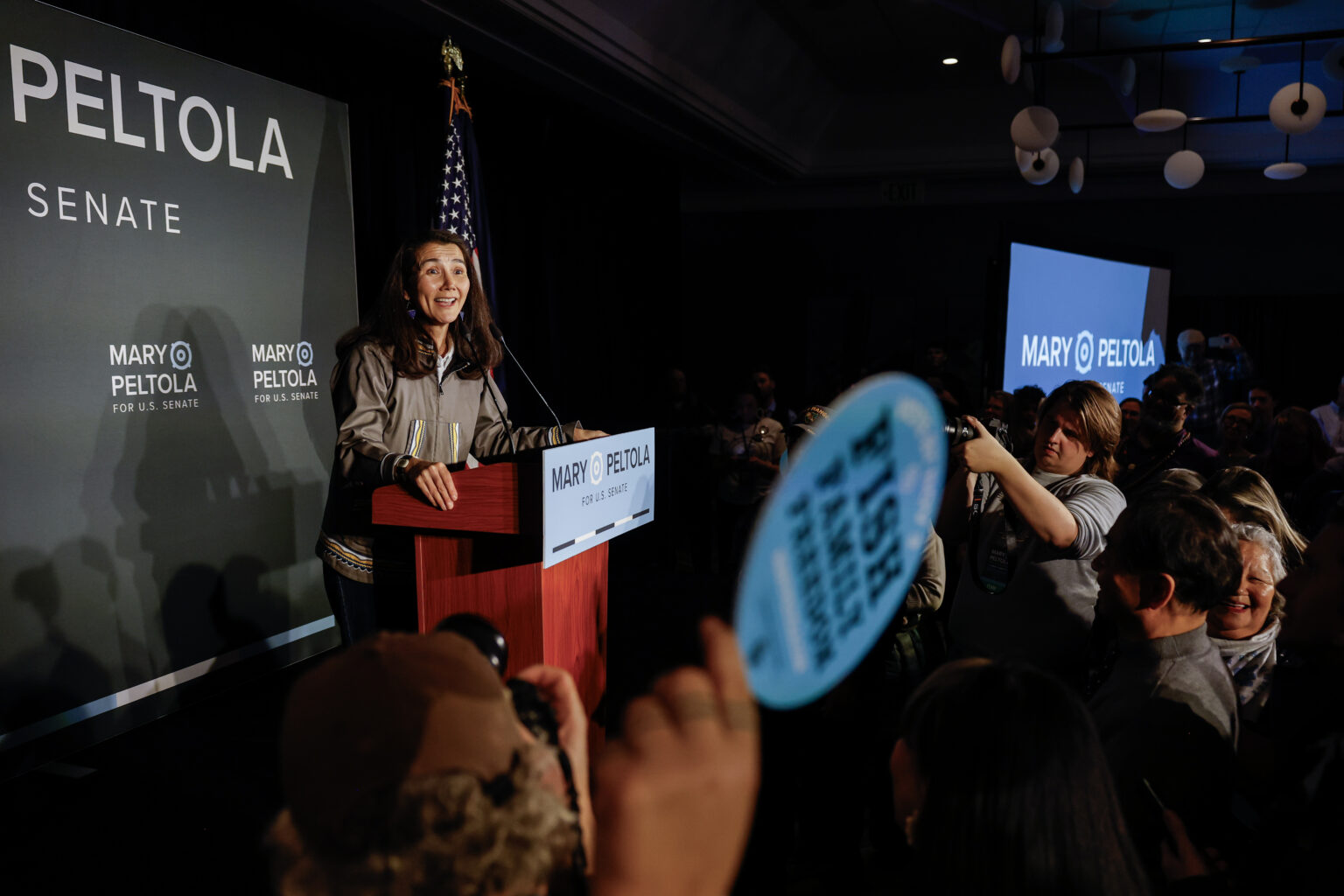
Following the certification of Democrat Mary Peltola’s victory over incumbent Dan Sullivan in Alaska’s U.S. Senate race, statutory deadlines for recounts and legal challenges have taken effect as the transition begins.
In this piece
Alaska election officials have certified Democrat Mary Peltola as the winner of the state's U.S. Senate race against Republican Dan Sullivan. The milestone…
Alaska election officials have officially certified the results of the state's high-profile U.S. Senate race, formally confirming Democrat Mary Peltola's victory over Republican incumbent Dan Sullivan. The official action completes the state's comprehensive canvass and confirms the final ballot totals across every precinct. State certification also initiates a tightly defined window under statutory law during which candidates may pursue final administrative or judicial options.
The certification immediately activated statutory timelines governing election recounts and formal disputes across the state. Under Alaska law, candidates participating in a statewide contest were given until November 28 to submit an official recount application to the Alaska Division of Elections. Such requests require specific filings and financial obligations depending on the final margin between the leading contenders.
Election analysts noted from the outset that a recount had virtually no path to reversing the certified outcome. Peltola won an outright majority on initial ballots, securing a decisive advantage of more than 4 percentage points and approximately 12,000 votes over Sullivan. Historically, recount procedures in statewide elections yield adjustments of only a few dozen to several hundred votes, far too few to bridge such a gap.
Because Peltola earned more than 50 percent of the initial vote, state election workers were not required to conduct additional tabulation rounds under Alaska's ranked-choice voting model. Under that framework, second- and third-choice preferences are tabulated only when no contender reaches a clean majority in the first round. Peltola's outright win effectively bypassed the elimination stages that had characterized recent statewide elections in Alaska.
State law also establishes a distinct mechanism for formal election challenges filed through the judicial system. Aggrieved candidates or voters had until December 3 to submit an election contest petition in the Alaska Superior Court. These legal proceedings require plaintiffs to substantiate claims of significant administrative error, corrupt practices, or illegal votes that could materially alter the outcome.
The likelihood of an adversarial courtroom contest receded quickly when Sullivan conceded the election to Peltola. In acknowledging the certified totals, the incumbent senator brought an effective end to active campaign operations and accepted the verdict rendered by Alaska voters. The concession substantially cleared the political atmosphere and diminished momentum for third-party litigation challenging the count.
The state's certification also resolved lingering federal court battles that emerged in the final stretch of the campaign. The Department of Justice moved to withdraw a pre-election lawsuit that had sought to intervene in the certification process, acknowledging that completion of the official canvass rendered the claims moot. Federal judges subsequently closed out pending motions that aimed to delay the certification timeline.
Even with the outcome resolved, residual political debates have continued around ballot construction and candidate eligibility. Conservative groups and federal observers directed attention toward the presence of an unaffiliated candidate named Daniel J. Sullivan on the general election ballot, arguing it may have caused voter confusion. While state officials maintained that ballot access adhered strictly to existing election laws, the issue remains a subject of post-election discussion.
With statutory deadlines expiring and the certification intact, Alaska election administrators are wrapping up post-election reporting requirements. Peltola is now slated to transition toward taking the oath of office in Washington, D.C., when the next congressional session begins. The certified victory marks a major milestone for Alaska politics, bringing a reshuffled balance to the state's representation in the Senate.
Primary source: Google News Alaska. Newzly rewrites and structures source reporting for clarity; verify critical details at the original.