What to Do During Sudden High Blood Pressure Spikes: Warning Signs and Immediate Steps
Medical experts outline critical warning signs of acute blood pressure surges and provide step-by-step guidance on immediate actions patients must take before seeking clinical care.
In this piece
A sudden spike in blood pressure can signal serious cardiovascular distress requiring immediate attention. Physicians emphasize recognizing acute symptoms like…
Medical specialists are urging individuals to recognize the early warning signs of sudden blood pressure spikes and understand immediate response protocols, warning that abrupt hypertensive surges require prompt evaluation to prevent severe cardiovascular complications. Clinical guidance highlighted by Divya Bhaskar emphasizes that when blood pressure escalates unexpectedly, initial actions taken at home can play a critical role in stabilizing a patient before professional care is accessed.
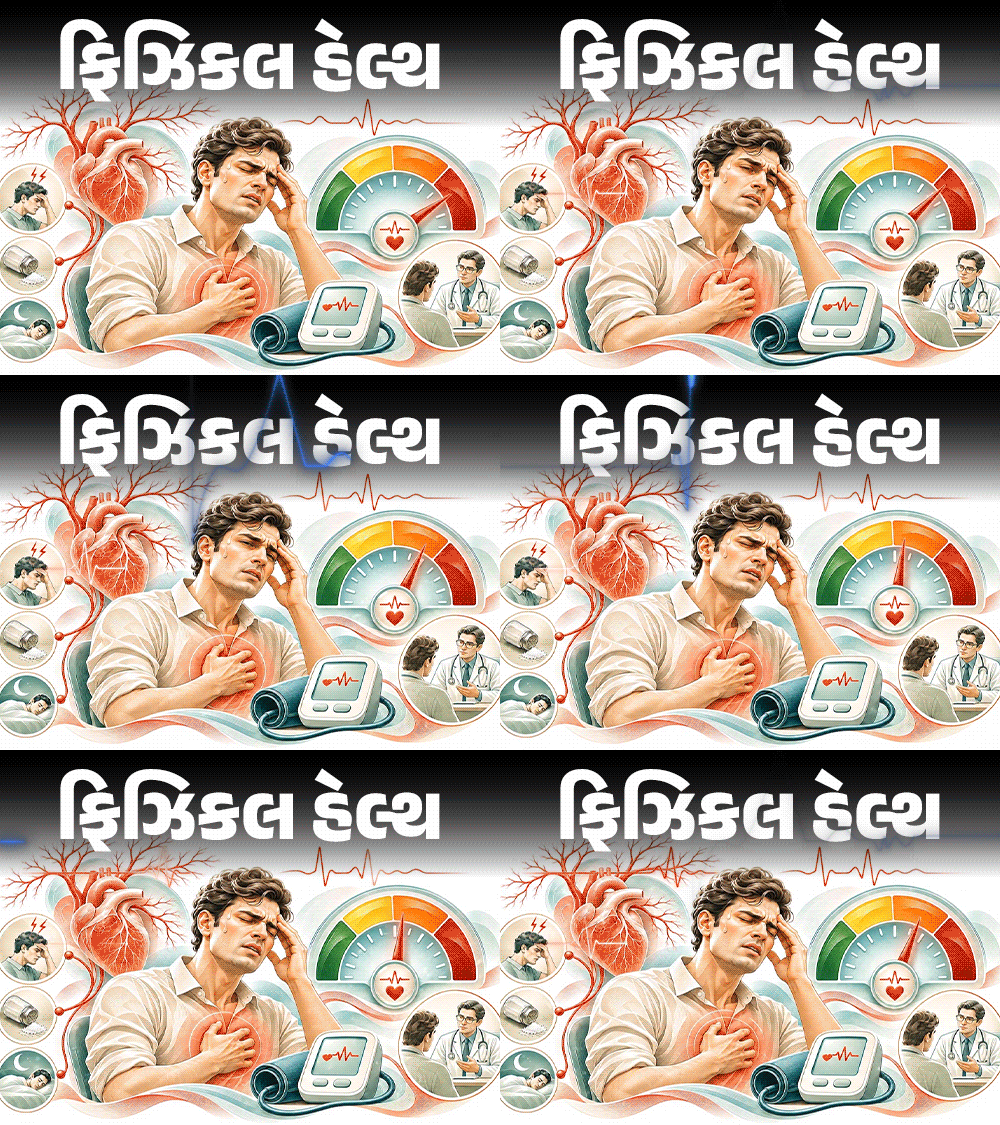
Sudden elevations in arterial pressure often present alongside acute physiological distress, including intense headaches, dizziness, blurred vision, and sudden chest discomfort. Physicians caution that secondary indicators such as shortness of breath, unexplained anxiety, profuse sweating, and numbness in the limbs serve as urgent alarm bells that should not be overlooked. When these symptoms manifest simultaneously, they may signal a hypertensive emergency capable of affecting vital organ function.
In the immediate moments following an acute surge, medical experts advise patients to cease physical activity immediately, remain calm, and sit upright in a comfortable position. Lying completely flat can increase intracranial pressure, whereas an upright or semi-reclined posture assists in facilitating smoother venous return and steady breathing. Loosening restrictive clothing around the neck and chest also helps reduce panic and lowers physical resistance.
Deep, controlled breathing exercises are widely recommended to counteract acute anxiety and sympathetic nervous system activation, both of which can artificially exacerbate blood pressure numbers. Doctors strongly advise against ingesting arbitrary medications or taking double doses of regular antihypertensive pills without direct clinical instruction, as rapid, unmonitored drops in pressure carry their own medical risks. Sipping small amounts of room-temperature water can aid composure while monitoring continues.
Proper re-evaluation using an accurate digital monitor forms another vital component of initial management. Clinicians suggest resting quietly for five to ten minutes before retaking a reading, ensuring the cuff is positioned at heart level and that the patient remains seated without speaking. Documenting repeated readings spaced a few minutes apart provides crucial diagnostic data for attending physicians if emergency intervention becomes necessary.
Acute fluctuations in blood pressure can stem from multiple intersecting triggers, ranging from acute emotional stress, sleep deprivation, and extreme sodium consumption to missed prescription medications. Over-the-counter decongestants, excessive caffeine intake, and sudden physical overexertion can also precipitate sharp elevations in individuals with underlying vascular sensitivity. Identifying potential triggers helps clinicians distinguish between transient spikes and persistent hypertensive escalation.
Cardiologists emphasize that unaddressed blood pressure crises significantly elevate the risk of life-threatening events, including ischemic strokes, myocardial infarction, and aortic dissection. Even temporary spikes place immense strain on the arterial walls and microvascular networks within the kidneys and retina. Understanding how to differentiate between mild fluctuations and urgent medical events ensures patients seek hospital care before irreversible damage occurs.
Immediate emergency medical transport must be sought if high readings are accompanied by neurological deficits such as slurred speech, facial drooping, confusion, or severe chest pain radiating to the back or left arm. In such instances, attempting home remedies or waiting for readings to decline naturally is dangerous, as hospital-administered intravenous therapies may be required to gradually lower pressure under continuous telemetry.
Moving forward, healthcare providers recommend that individuals experiencing unexpected blood pressure volatility schedule comprehensive clinical assessments to review existing therapy regimens and rule out secondary hypertension. Clinicians stress that routine monitoring, adherence to prescribed pharmaceuticals, and structured lifestyle adjustments remain the cornerstone of hypertensive control, transforming sudden emergency preparedness into sustained cardiovascular health.
Primary source: Divya Bhaskar Lifestyle. Newzly rewrites and structures source reporting for clarity; verify critical details at the original.