What Universal Free School Meals Could Mean for Wisconsin Students and Families
Wisconsin advocates and lawmakers are pushing a universal free school meals plan that could feed 420,900 additional students and save food-insecure families an estimated $13.1 million annually.
In this piece
A proposed universal school meal program in Wisconsin would provide free breakfast and lunch to roughly 420,900 more students. The plan aims to support an…
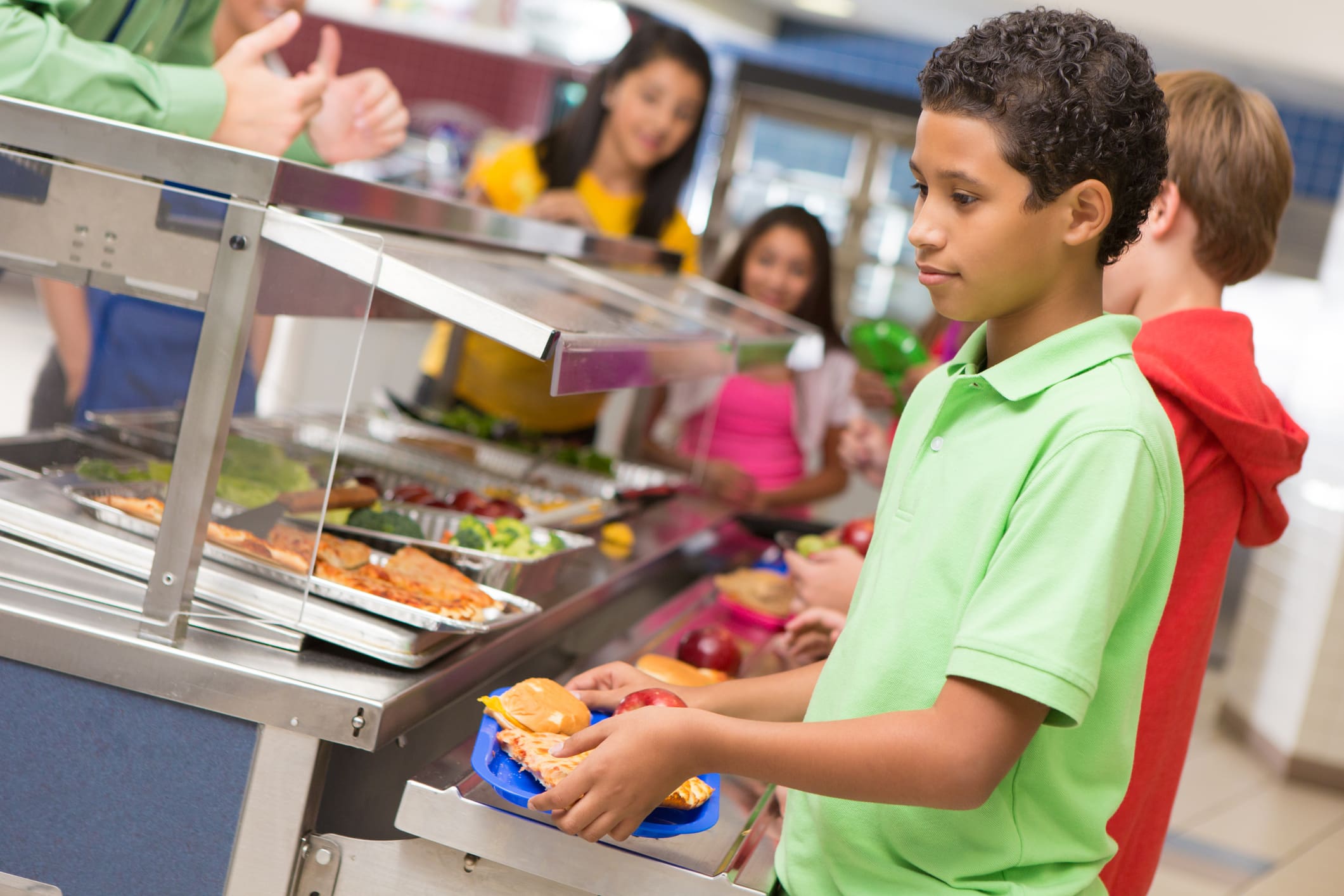
Wisconsin lawmakers and child nutrition advocates are renewing a high-stakes push to establish universal free breakfast and lunch for all K-12 public school students across the state. Under the proposed "Healthy School Meals for All" initiative, an estimated 420,900 additional Wisconsin students would be eligible to eat cafeteria meals at no personal cost. Supporters describe the measure as both an educational necessity and a targeted financial shield against ongoing food price inflation.
According to state projections and school nutrition officials, universal meals would provide immediate relief to approximately 55,300 food-insecure children who do not currently receive fully subsidized school nutrition. The families of these food-insecure children spend an estimated $13.1 million each year on school breakfasts and lunches. Backers point out that absorbing these expenses into the state budget would keep millions of dollars in the pockets of working households struggling to balance household necessities.
Kaitlin Tauriainen, child nutrition coordinator for the Ashwaubenon School District and legislative chair of the School Nutrition Association of Wisconsin, noted that existing federal formulas often fall short of meeting actual community needs. Under conventional federal poverty standards, many households earning just above the qualifying income thresholds are left without assistance despite facing substantial cost-of-living pressures. Advocates argue that universal eligibility prevents these vulnerable families from falling through the administrative cracks.
Educators and nutrition professionals emphasize that dependable access to nutritious food is inextricably tied to academic performance and student well-being. Research consistently demonstrates that hunger undermines a child's ability to concentrate, manage emotional regulation, and engage productively in daily classroom instruction. Nutrition coordinators argue that guaranteeing two balanced meals each day stabilizes student energy levels and substantially reduces disciplinary issues.
Beyond the nutritional benefits, advocates highlight that universal school meals dismantle the social stigma that has historically plagued tiered lunch programs. In districts across the state, students frequently skip cafeteria meals or accumulate debt to avoid being publicly associated with low-income assistance programs. A universal model treats nutrition as basic educational infrastructure, similar to textbooks or busing, while eliminating unpaid meal balances and reducing clerical burdens for school administrators.
Despite passionate advocacy from school districts, the proposal faces resistance over state spending and fiscal priorities. Conservative lawmakers and budget analysts have historically pushed back against universal meal measures, questioning whether taxpayers should fund breakfast and lunch for affluent households that can comfortably afford them. In previous legislative sessions, fiscal concerns over long-term state liabilities prevented similar Democratic-backed bills from advancing out of committee.
Supporters maintain that universal meals offer an efficient public investment that benefits both family finances and regional agriculture. In addition to easing household food budgets, expanded cafeteria programs channel steady funding into local farm-to-school purchasing networks that source dairy and produce from Wisconsin growers. Proponents argue that the broad economic and developmental returns outweigh the upfront state expenditure.
The debate over school meal funding is poised to be a major focal point in upcoming state budget negotiations, with Democratic leaders like Assembly Representative Greta Neubauer prioritizing affordability and child welfare. Reaching an agreement will depend on whether proponents can persuade legislative budget writers to allocate state surplus revenues toward ongoing cafeteria programs. For local school nutrition leaders, advocates say the fundamental goal remains ensuring that no Wisconsin child is left to learn on an empty stomach.
Primary source: Google News Wisconsin. Newzly rewrites and structures source reporting for clarity; verify critical details at the original.