Where Cramer Stands on Two Beaten-Down Aerospace Stocks — and the One to Buy
CNBC's Jim Cramer called GE Aerospace's post-earnings slide a buying opportunity on Tuesday, while warning that Boeing faces a longer and harder road to recovery after cutting its free cash flow outlook.
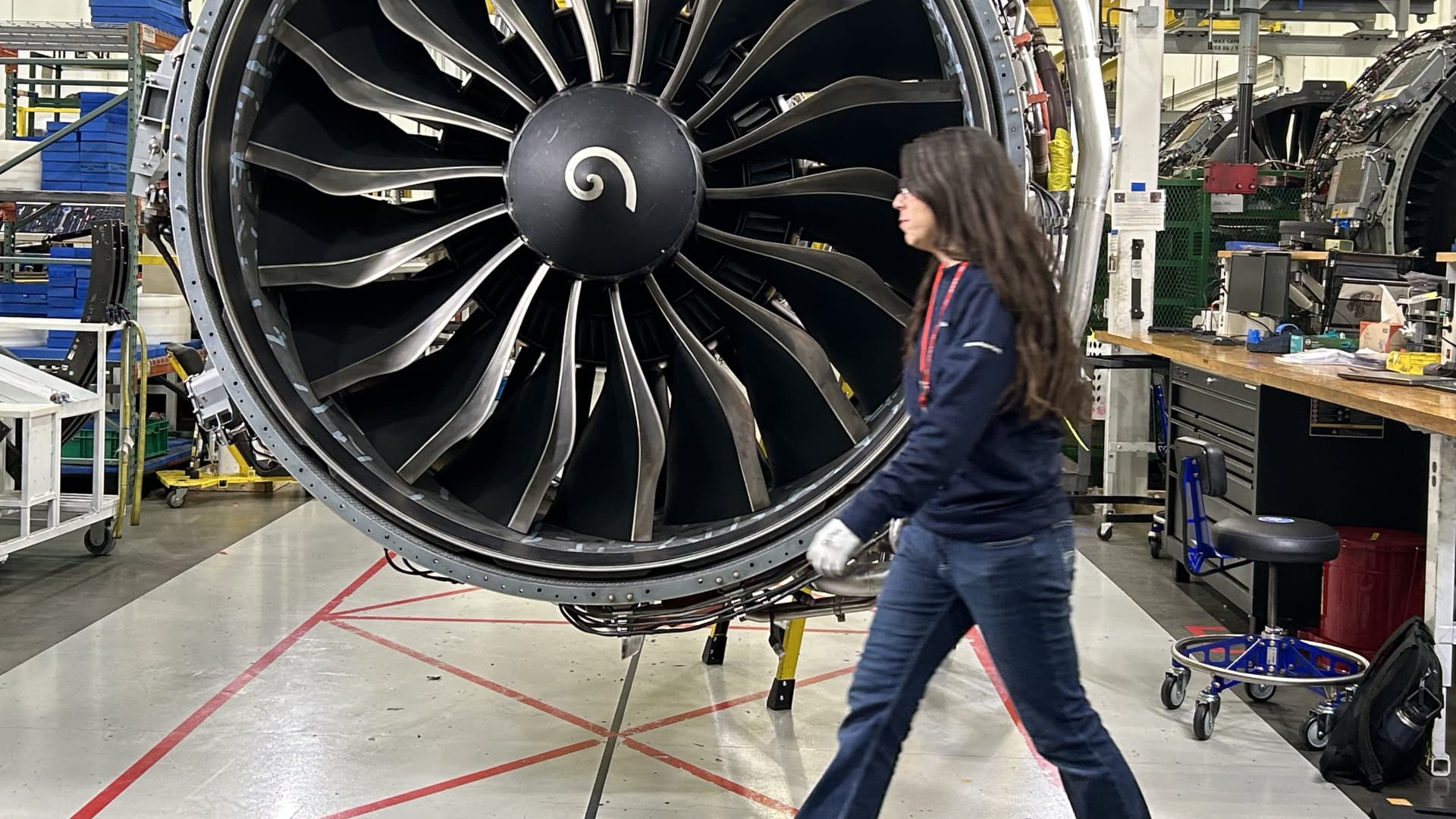
CNBC's Jim Cramer on Tuesday drew a clear dividing line between two of America's most prominent aerospace names, backing GE Aerospace as a buying opportunity while flagging Boeing as a more complicated turnaround story after a bruising session on Wall Street.
GE Aerospace fell sharply despite reporting a strong third quarter, with the stock now sitting roughly 23% below its 52-week high of nearly $389 per share reached on August 6. Cramer argued the market's reaction was an overreaction, pointing to the underlying health of the business as justification for stepping in at current levels.
The company's third-quarter results showed commercial aerospace orders surging 58%, with equipment orders climbing an even steeper 235%. The strength pushed GE Aerospace's total backlog to $170 billion, a figure that underscores durable long-run demand for its jet engine franchise even as near-term sentiment has soured.
Boeing told a different story. Shares dropped more than 10% on Tuesday after the planemaker lowered its expectations for future free cash flow and disclosed that it had missed delivery targets while scaling back production rates. The slide left the stock down roughly 23% for 2026, compounding the pressure on a company still working through an extended operational and reputational recovery.
Cramer acknowledged the distinction between the two situations, characterizing Boeing's challenge as more fundamental than GE Aerospace's. Where GE Aerospace's earnings power appears intact despite the selloff, Boeing's revised financial guidance signals that its problems have not yet been fully resolved.
The broader aerospace sector has been under pressure for months. Rising oil prices have squeezed airline profit margins, raising concerns that carriers could pull back on new aircraft orders or delay fleet renewals. Higher interest rates have added a financing dimension to those worries, making it more expensive for both airlines and lessors to fund new deliveries.
Cramer pushed back on that bearish framing in his commentary, however. He suggested the prevailing pessimism misreads the long-term dynamics of the industry, arguing that the global appetite for air travel and the replacement cycle for aging fleets remain structurally intact drivers of demand.
"If you're willing to look long-term here, I still think this sector will be a secular, long-term winner," Cramer said. "The idea that higher fuel prices and higher interest rates will kill demand just looks flat-out wrong."
For investors weighing the two names, Cramer's message was clear: GE Aerospace's pullback looks disproportionate given the evidence from its order book, while Boeing requires greater patience and a higher tolerance for continued near-term turbulence before any meaningful recovery can be expected.
GE Aerospace did recover some ground on Tuesday, gaining more than 3% in the session even as Boeing's losses deepened. Analysts and market participants will be watching whether that rebound can hold as investors continue to assess the durability of aerospace demand against a still-uncertain macroeconomic backdrop.
What happens next for both stocks may hinge on how quickly Boeing can stabilize its production operations and restore confidence in its cash flow trajectory, and whether GE Aerospace's massive backlog continues to translate into earnings momentum in the quarters ahead.
Primary source: CNBC Markets. Newzly rewrites and structures source reporting for clarity; verify critical details at the original.