Why a Trump-Xi-Putin Summit Has the World on Edge
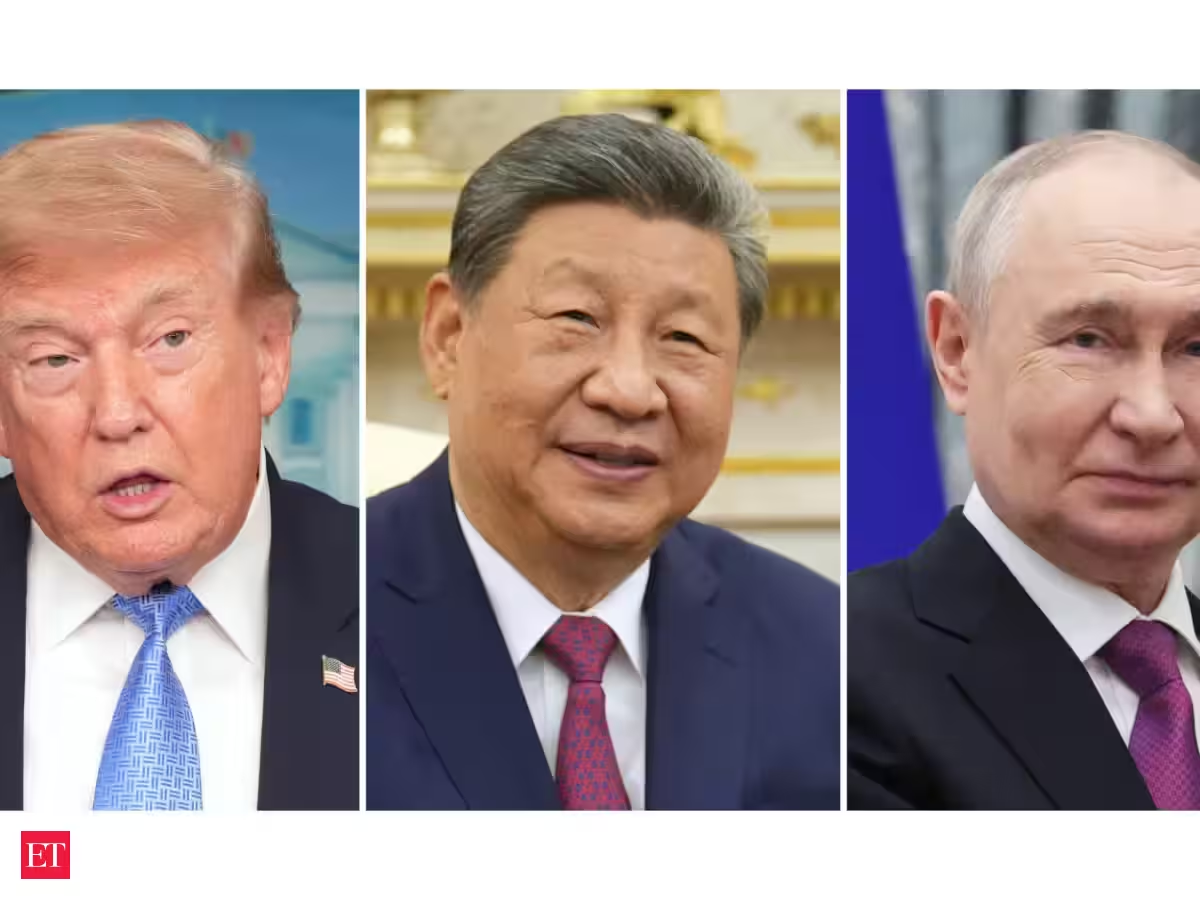
Plans for an unprecedented trilateral meeting between Donald Trump, Xi Jinping, and Vladimir Putin have stoked fears of a new Yalta-style division of global spheres of influence.
In this piece
An anticipated trilateral summit between Donald Trump, Xi Jinping, and Vladimir Putin in Shenzhen has heightened international apprehension over spheres of…
A proposed trilateral summit bringing together U.S. President Donald Trump, Chinese President Xi Jinping, and Russian President Vladimir Putin has sparked acute apprehension across international diplomatic circles. Set against the backdrop of the Asia-Pacific Economic Cooperation summit in Shenzhen, China, the prospect of the three most powerful leaders meeting behind closed doors is stoking fears of sweeping realignments in the global order.
Diplomats and foreign policy analysts are increasingly invoking the historic 1945 Yalta Conference, where Allied leaders carved post-war Europe into distinct spheres of influence. The historical parallel underscores rising anxiety that the world's preeminent military and economic heavyweights could strike high-stakes bilateral or trilateral bargains without consulting vulnerable partners.
Nowhere is this trepidation felt more acutely than among front-line states and unrepresented governments, particularly Ukraine, Eastern European capitals, and Taiwan. Observers warn that smaller nations risk becoming bargaining chips in great-power negotiations, reviving the longstanding diplomatic warning that countries absent from the negotiating table often find themselves on the menu.
At the center of Washington's strategic calculus is the urgent question of nuclear arms control following the expiration of the landmark New START treaty. With bilateral limitations between Washington and Moscow lapsed for the first time in decades, Trump has pushed to establish a modernized trilateral framework that formally includes China's expanding arsenal.
Beijing, however, has maintained persistent reluctance toward participating in three-way nuclear reduction frameworks, citing the far larger stockpiles maintained by both the United States and Russia. Chinese officials argue that multilateral disarmament talks should not place disproportionate constraints on Beijing while Washington and Moscow retain overwhelming parity in deployed warheads.
For Moscow, the prospect of a tripartite meeting offers a crucial venue to project diplomatic parity and assert that Russia cannot be isolated from core decisions shaping world security. President Putin has long sought formats that place the Kremlin on equal footing with Washington and Beijing, using trilateral summits to bypass multilateral coalitions.
The anticipated agenda also encompasses simmering flashpoints beyond strategic weaponry, including heightened regional friction surrounding Iran and wider trade disputes. While official planners remain cautious about whether the conflict in Ukraine will be formally adjudicated during the session, any trilateral deliberation inevitably touches upon sanctions architectures and global supply chain security.
Trump’s distinctive personal diplomacy and preference for bilateral dealmaking have further unsettled traditional alliances in Europe and Asia. Skeptics within allied governments express concern that transactional concessions could undermine long-established deterrence commitments and multilateral defense pacts that have anchored regional stability for generations.
As preparations for the Shenzhen gathering proceed, diplomats from excluded nations are scrambling to secure reassurances and maintain backchannel coordination with Washington and regional partners. The summit's ultimate outcome remains deeply uncertain, but the sheer gravity of three superpower leaders convening guarantees that every signal will be parsed for evidence of a shifting global balance.
Primary source: Economic Times. Newzly rewrites and structures source reporting for clarity; verify critical details at the original.