Report: Rahman government in Bangladesh faces protests as army units deploy
A Divya Bhaskar report says Tarique Rahman’s government is under pressure from street protests by the Awami League and Jamaat, with 97 army units deployed. Independent detail was not in the material provided.
In this piece
Divya Bhaskar reports that Bangladesh’s Rahman government, identified in the story link with Tarique Rahman, is hemmed in by Awami League street protests and a…
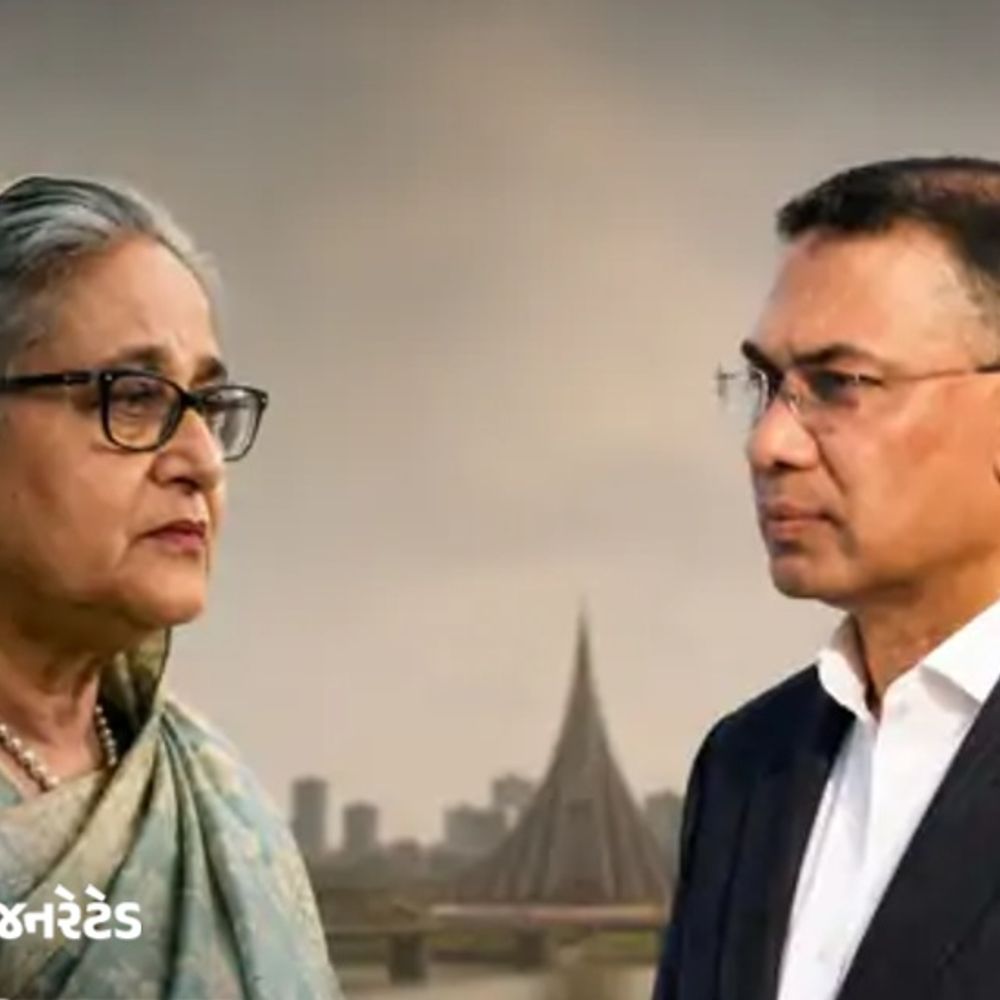
Bangladesh’s Rahman government is under political pressure from more than one direction, according to a report by the Gujarati daily Divya Bhaskar. The headline says the Awami League has taken to the streets, Jamaat has opened its own front, and 97 army units have been deployed. The story link identifies the crisis with Tarique Rahman.
The published item available here consists of that headline, an empty summary, and an empty article body. The account that follows is limited to those elements and to widely known background about the parties named. It does not add protest sites, casualty figures, official statements, or a timeline the source does not supply.
As framed by Divya Bhaskar, the government is described as surrounded on all sides. The phrasing presents simultaneous pressure from the Awami League in the streets and from Jamaat, rather than a single-party demonstration. The report does not spell out demands, the size of the crowds, or how long the actions have been underway.
The same headline says 97 army units have been deployed. That figure is reported as stated by the outlet. The source text does not say where the units were sent, under what legal order, or whether they are guarding buildings, patrolling roads, or standing by. No army comment is included in the material.
The Awami League is Bangladesh’s historic governing party, long associated with Sheikh Hasina. Street mobilization by the party, if the report is accurate, would mark a direct public challenge to the Rahman government. The source does not describe the league’s current leadership of the protests or any formal call that preceded them.
Jamaat, generally understood as Jamaat-e-Islami in Bangladeshi politics, is an Islamist party that has spent long periods at odds with the Awami League. The headline says Jamaat has also opened a front. It does not say whether that front is coordinated with the Awami League, opposed to it, or simply simultaneous. Those distinctions matter, and they are not resolved in the text provided.
Pressure from two parties with a bitter history, arriving at the same time as a large army deployment, is the core of why the report reads as a political crisis rather than a routine rally. Governments in Bangladesh have often treated street unrest and the military’s posture as linked questions of public order. The Divya Bhaskar item asserts the deployment; it does not explain the chain of command or the government’s response.
Tarique Rahman is a senior figure in the Bangladesh Nationalist Party and the son of former prime minister Khaleda Zia. The outlet’s web address names him alongside the political crisis, the army, and protests, and the headline refers to a Rahman government. The source text does not detail how that government was formed, how long it has been in office, or which allies sit in it.
Readers should treat the 97-unit figure and the claim of a four-sided siege as assertions by one news organization until officials, the parties, or other outlets corroborate them. Nothing in the supplied material confirms arrests, violence, curfews, or talks. Absence of those details is a limit of the source, not evidence that they did not occur.
What happens next is not stated. The parties named could stay in the streets, the army deployment could be expanded or withdrawn, or the government could seek a political settlement. Divya Bhaskar’s headline presents an ongoing squeeze on the Rahman government; it does not forecast an outcome.
Primary source: Divya Bhaskar International. Newzly rewrites and structures source reporting for clarity; verify critical details at the original.