world·Uttarakhand·Rudraprayag District
Why Community Radio Outperforms Digital Channels in the Uttarakhand Himalaya
In the fragile Uttarakhand Himalaya, community radio stations like Mandakini ki Awaaz outperform state digital alerts by turning top-down announcements into participatory, real-time lifelines for remote mountain valleys.
In this piece
Community radio stations across the Uttarakhand Himalaya are outperforming government digital channels by offering interactive, two-way communication during…
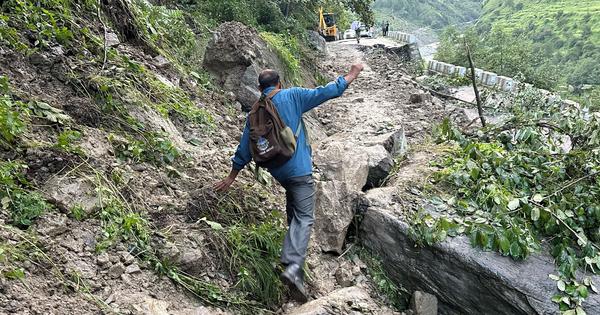
In the landslide-prone valleys of the Uttarakhand Himalaya, localized community radio stations are proving far more effective during crises than modern digital platforms and state-run apps. An analysis by researcher Aniruddha Jena published by Scroll.in highlights how grassroots broadcast stations bridge critical gaps left by one-way governmental advisories. While regional administrations increasingly rely on automated notifications and social media feeds, local mountain communities depend on participatory radio for actionable survival intelligence.
At the center of this dynamic is Mandakini ki Awaaz, a community station founded by Manvendra Negi and operated in Rudraprayag district. Transmitting over mountainous terrain, the station caters directly to remote hamlets where unpredictable weather regularly uproots everyday life. Unlike centralized broadcasters, its programming reflects the daily rhythm and specific safety needs of nearby mountain settlements.
Modern digital governance typically operates as a one-directional pipeline, pushing top-down alerts about highway status, weather warnings, and official directives. In the high Himalayas, however, rigid official declarations often fail to reflect rapidly evolving ground conditions. Cloudbursts, flash floods, and sudden rockfalls frequently reshape the landscape long before central control rooms can update their digital databases.
Community radio bridges this reality gap by transforming official broadcasts into active, participatory conversations. When district officials issue a statement that a blocked highway has reopened, Mandakini ki Awaaz airs the bulletin and immediately opens its phone lines to residents. Within minutes, local villagers, taxi drivers, and commuters call in to provide real-time verification and eyewitness updates from along the route.
These listener interactions generate what observers describe as a living, community-verified working picture for the entire valley. Callers clarify crucial details that official alerts miss, such as whether a cleared road is safe only for two-wheelers, if a bridge shows structural damage, or if fresh rain has loosened unstable boulders above the highway. This collective intelligence enables travelers and isolated villagers to make informed, life-saving decisions.
Physical geography and infrastructure limitations further compound the weaknesses of digital-first communication models. Harsh Himalayan weather frequently brings down cellular towers, damages optic fiber lines, and cuts electrical power across wide stretches of the mountains. When smartphone networks fail, low-power frequency modulation radio receivers powered by simple batteries remain operational and accessible.
Socioeconomic factors and the digital divide also hinder mobile app adoption in rural Uttarakhand. While official government alerts are frequently issued in formal Hindi or English text, community stations broadcast in local dialects such as Garhwali and Kumaoni. Oral communication delivered by familiar, trusted local voices eliminates literacy hurdles and ensures elderly residents and isolated households receive vital warnings without delay.
The success of Himalayan community radio underscores the limitations of technocratic governance that views disaster management purely through the lens of digital modernization. Emergency response frameworks that rely exclusively on smartphones and internet portals inadvertently exclude the most vulnerable mountain populations. Ground-level radio stations demonstrate that genuine crisis resilience requires reciprocal communication rather than unilateral administrative broadcasts.
As climate volatility fuels more frequent and severe weather disasters across northern India, media analysts and disaster experts argue that state agencies must formally integrate community radio into official response networks. Rather than viewing community stations as relics of an analog past, policymakers are being urged to support community transmitters and treat listener feedback as essential administrative data. In ecologically fragile mountain terrains, preserving these participatory airwaves may ultimately be the most dependable way to save lives.
Primary source: Google News Uttarakhand. Newzly rewrites and structures source reporting for clarity; verify critical details at the original.