Why Ladakh Groups Oppose Local Body Polls Amid Impasse
Ladakh civil society groups are resisting scheduled local body polls, citing severe winter displacement, overlapping governance layers, and an ongoing political deadlock over statehood and Sixth Schedule safeguards.
In this piece
Civil society groups in Ladakh are opposing local body elections amid stalled talks with New Delhi over statehood and constitutional protections. Leaders argue…
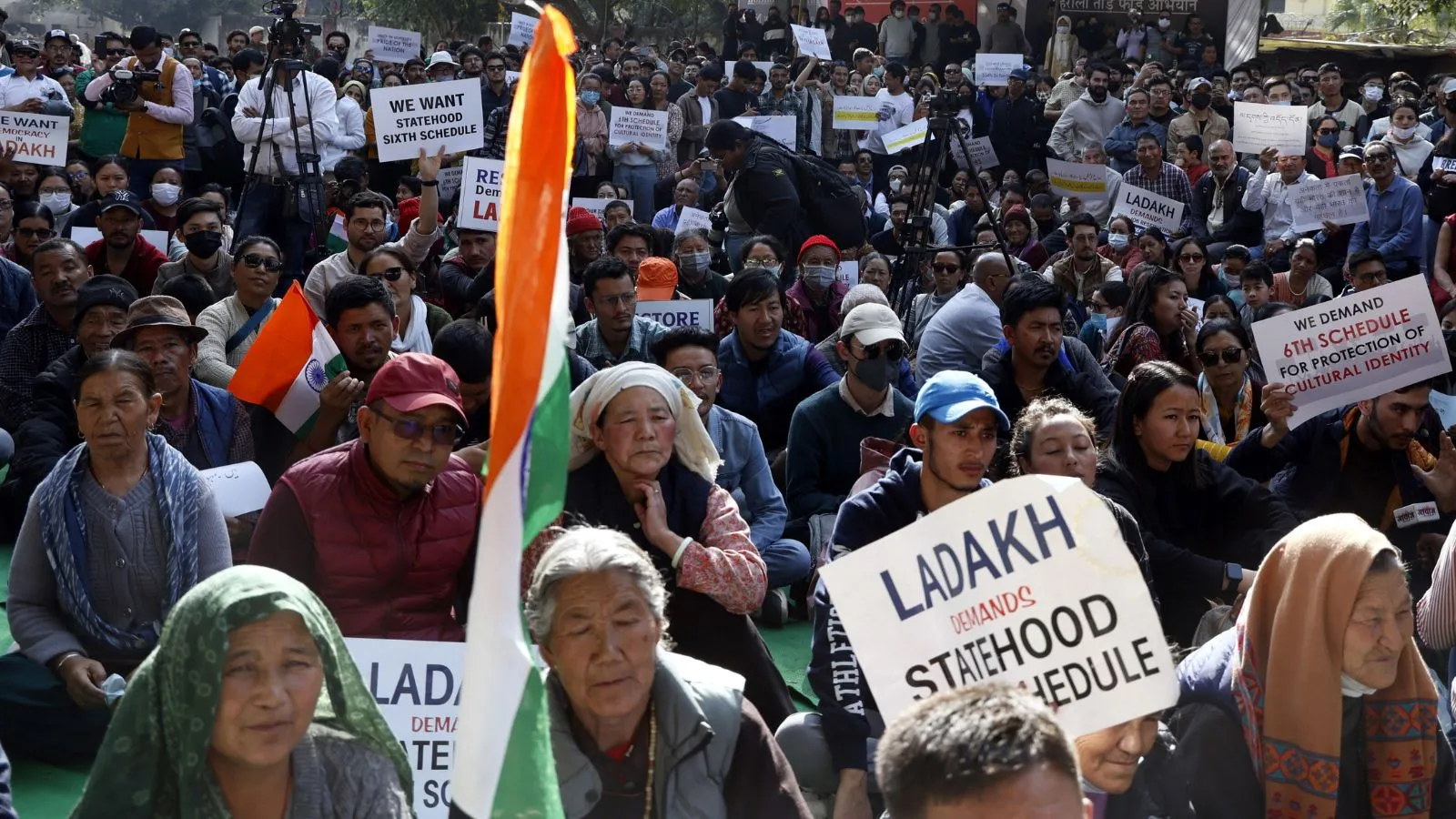
Civil society organizations and political leadership in Ladakh have raised strong objections to the administration's push to conduct local body elections across the Union Territory. The Leh Apex Body and the Kargil Democratic Alliance contend that holding polls for panchayats and urban local bodies sidesteps core constitutional demands, prompting calls to defer the exercise until fundamental governance issues are resolved.
The resistance comes at a time when negotiations between Ladakhi representatives and the Ministry of Home Affairs remain deadlocked over long-standing regional aspirations. Local leaders argue that organizing fragmented municipal and village-level contests acts as an administrative distraction from their overarching push for statehood, Sixth Schedule constitutional protections, and an empowered regional legislative setup.
Recent discussions between Ladakh stakeholders and New Delhi stalled after community groups voiced deep dissatisfaction with the Centre’s draft governance proposal for an overarching Union Territory body. Civil society representatives described the framework as heavily weighted toward bureaucratic administration rather than conferring authentic legislative, executive, and financial autonomy to locally elected representatives.
Beyond structural disagreements, local groups have pointed to severe logistical challenges tied to the timing of the proposed polls during the harsh winter season. Sub-zero temperatures and heavy snowfall regularly close high mountain passes and disrupt normal civic functioning across both Leh and Kargil districts.
Community leaders emphasize that approximately a quarter of Ladakh’s population temporarily migrates to lower altitudes or warmer parts of India during the peak winter months. Proceeding with elections under such conditions risks disenfranchising tens of thousands of residents who cannot travel back or access polling booths amidst blocked transit corridors.
Ladakh currently has a population of roughly 3.23 lakh people governed by multiple administrative tiers, including the Leh and Kargil Ladakh Autonomous Hill Development Councils. Leaders argue that adding further local electoral cycles without first defining the broader powers of a central Union Territory council creates overlapping bureaucratic jurisdictions that fail to solve structural disenfranchisement.
The political landscape in Ladakh underwent a major transformation in August 2019, when the former state of Jammu and Kashmir was reorganized into two Union Territories. While the separation initially fulfilled a decades-old demand in Leh for direct central administration, both Leh and Kargil soon united in concern over the loss of legislative safeguards protecting fragile mountain ecologies, local employment, and ancestral land tenure.
The alliance between Buddhist-majority Leh and Muslim-majority Kargil has forged an unprecedented joint front in regional politics over the past several years. United under a common four-point agenda, the coalitions have mobilized large-scale public demonstrations and hunger strikes, consistently insisting that democratic representation must include direct legislative power rather than advisory administrative councils.
As the Union Territory administration deliberates on polling timelines, Ladakhi leadership maintains that meaningful dialogue with New Delhi must resume before any local balloting proceeds. Observers note that without substantial political consensus between central authorities and local leadership, holding elections risks voter apathy or outright boycotts across the high-altitude region.
Primary source: Google News Ladakh. Newzly rewrites and structures source reporting for clarity; verify critical details at the original.